Lumïn P2 English ver.

Opinion 1
Observing the so-called high tier of the digital Hi-Fi segment, or even venturing into the foreground of the High-End, one can get the impression that, for some time now, there has been an attempt to place an entity on them that is inspired by a neighboring area, namely amplification. So while no one is now surprised by super-integrated amplifiers, filled to the brink with bells and whistles, as this is happening for years, not many digital sources combine multiple functions into one device. While it is relatively easy to find a few ambitious streaming-DACs, but hunting down a sibling enriched with analog inputs and an adjustable output stage requires some effort. That is why we looked with understandable interest at the actions of the Hong Kong based Lumïn, which, after a series of highly successful streamers and digital transports, began to experiment with technologically and sonically advanced integration. And the result of these activities was, amongst others, a flagship all-in-one that acts as a streamer, DAC and preamplifier, elegantly referred to as a hub, i.e. the majestic Lumïn P1, which was joined a little later by the „budget” and slightly less advanced P1 Mini. However, as you know, the balance in nature is extremely shaky, so while back then – in the fall of 2022, when we had the P1 in testing, Auralic seemed to be an obvious competitor with its top offer, now, after only three years, by a strange coincidence, as a result of, amongst others, the geopolitical situation, only the perpetrator of today’s turmoil has remained on the market from those two. Therefore, it is hard not to get the impression that Lumïn is now in a slightly different place than just a moment ago, as new players such as EverSolo with the all-having DMP-A10 have joined the game for higher stakes. And in such extremely dynamic circumstances, thanks to the courtesy of Audio Atellier from Wrocław, we had the opportunity to meet the latest version of the aforementioned hub, i.e. the Lumïn P2, to the test of which we cordially invite you now.
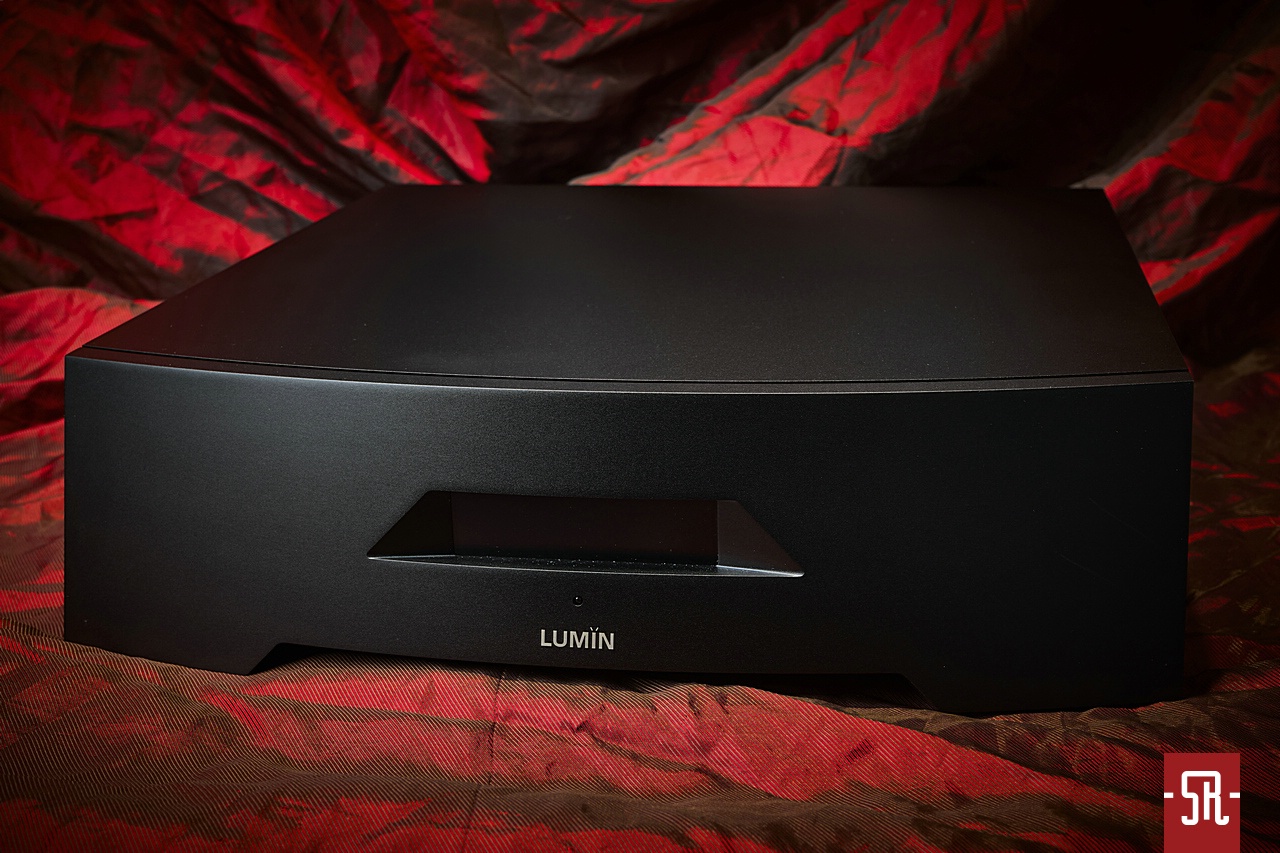
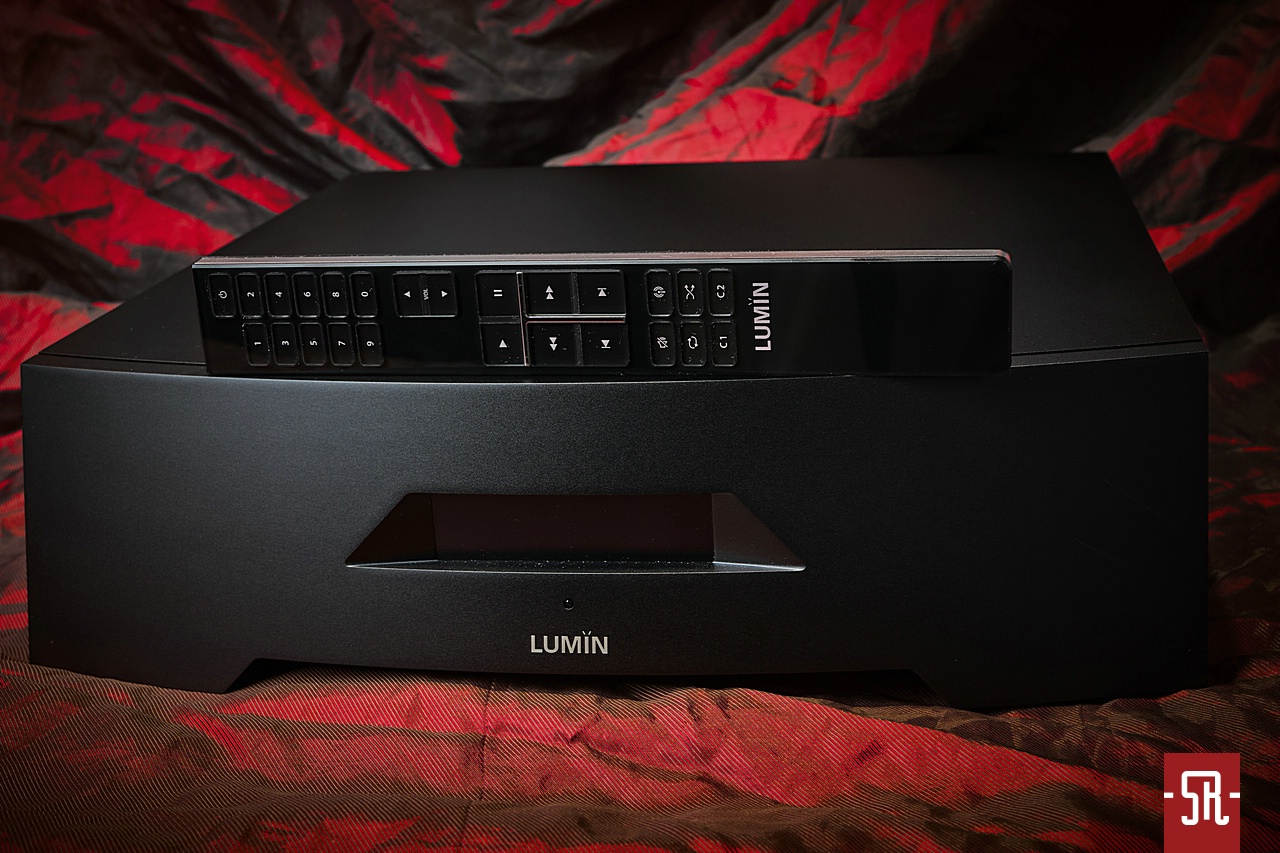
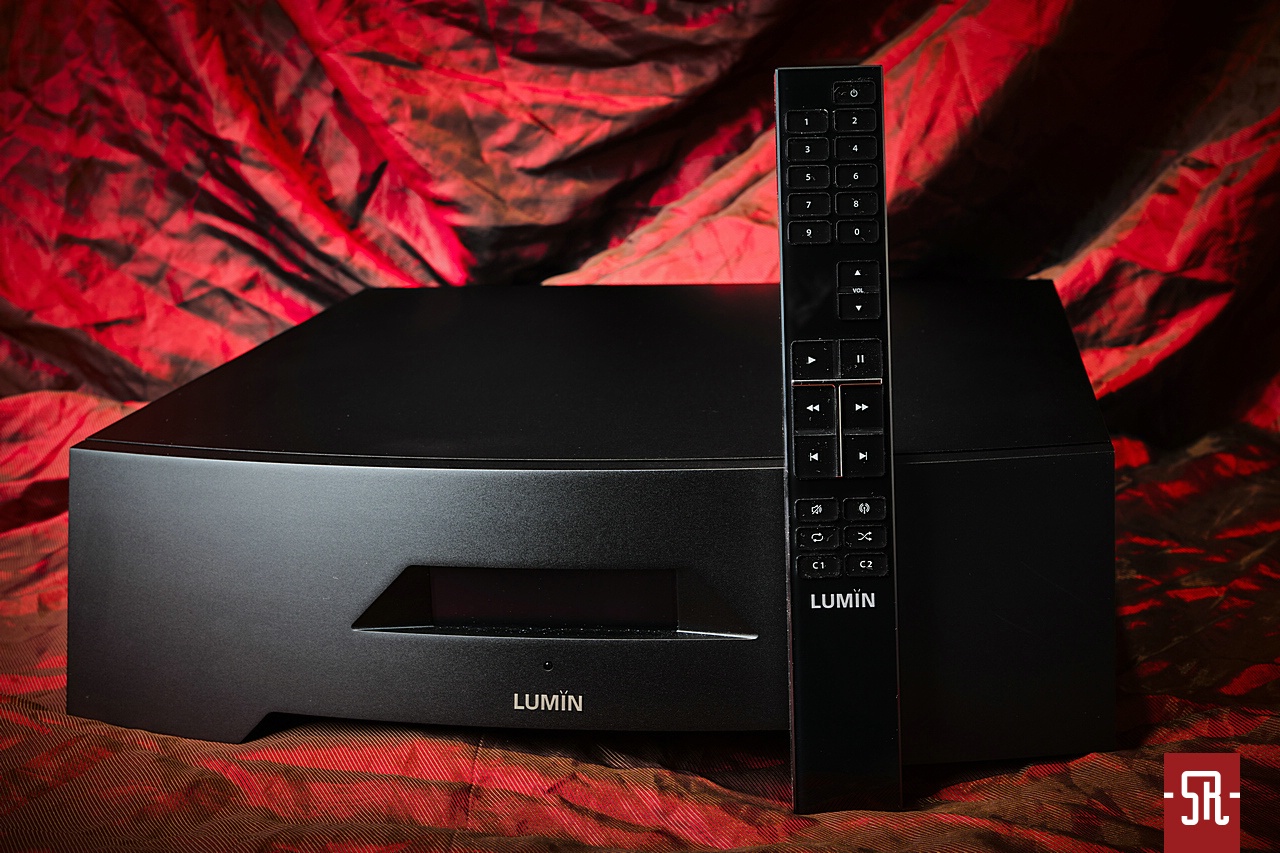
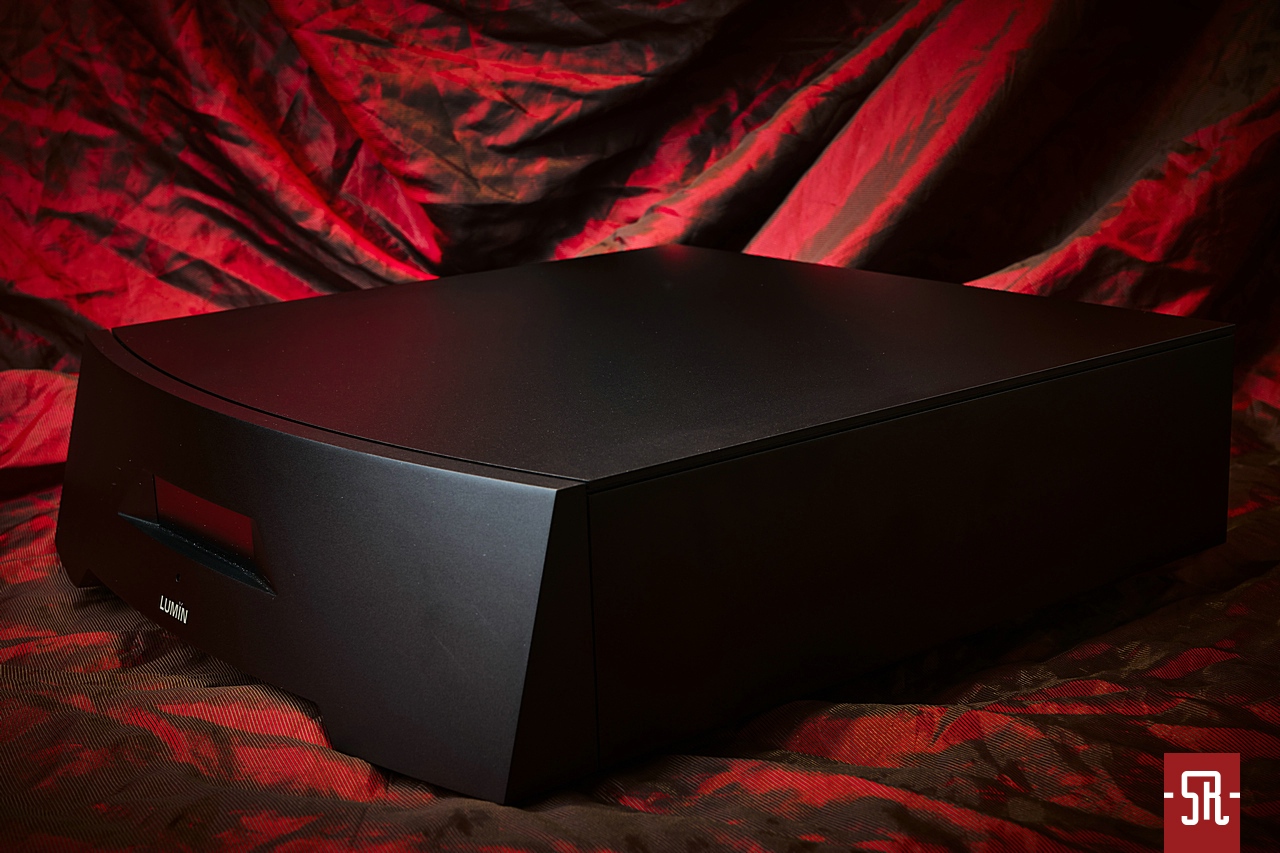
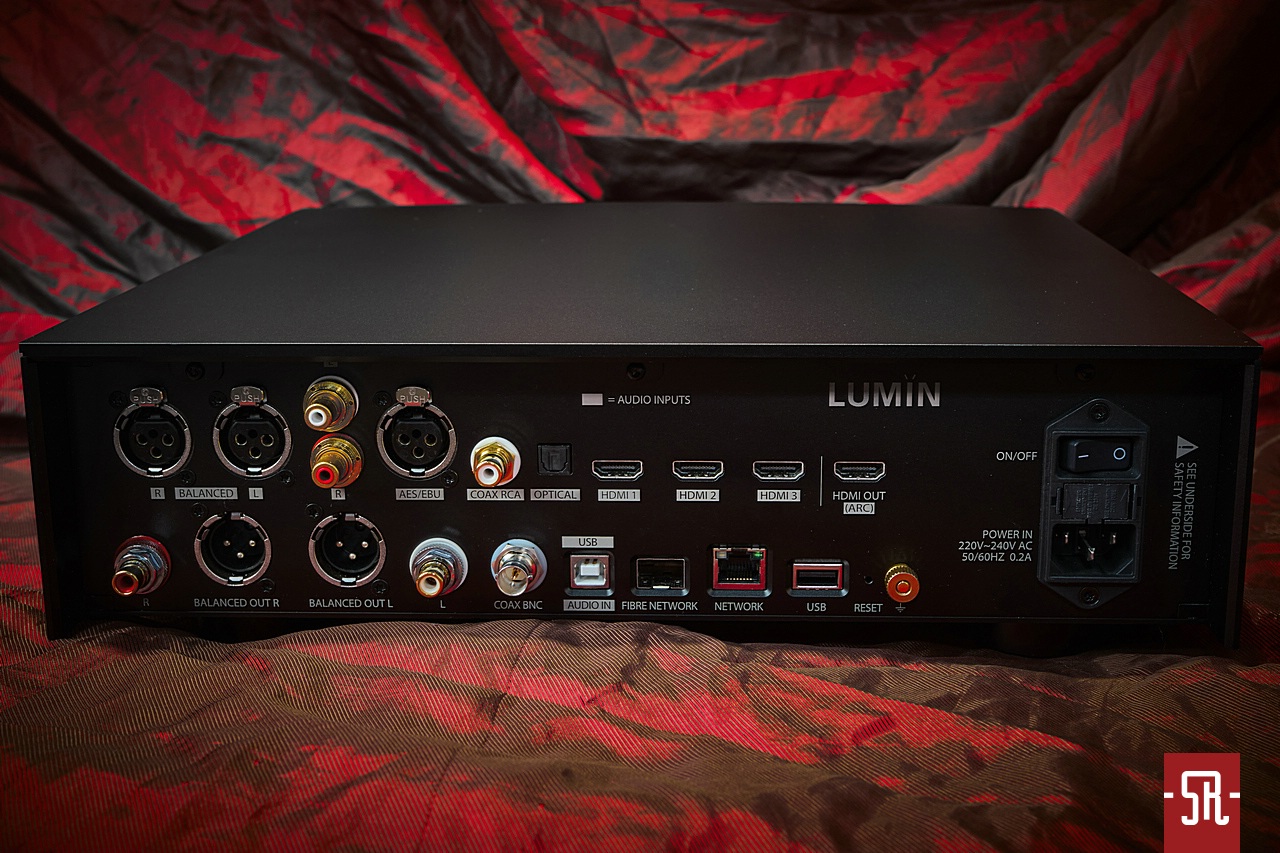
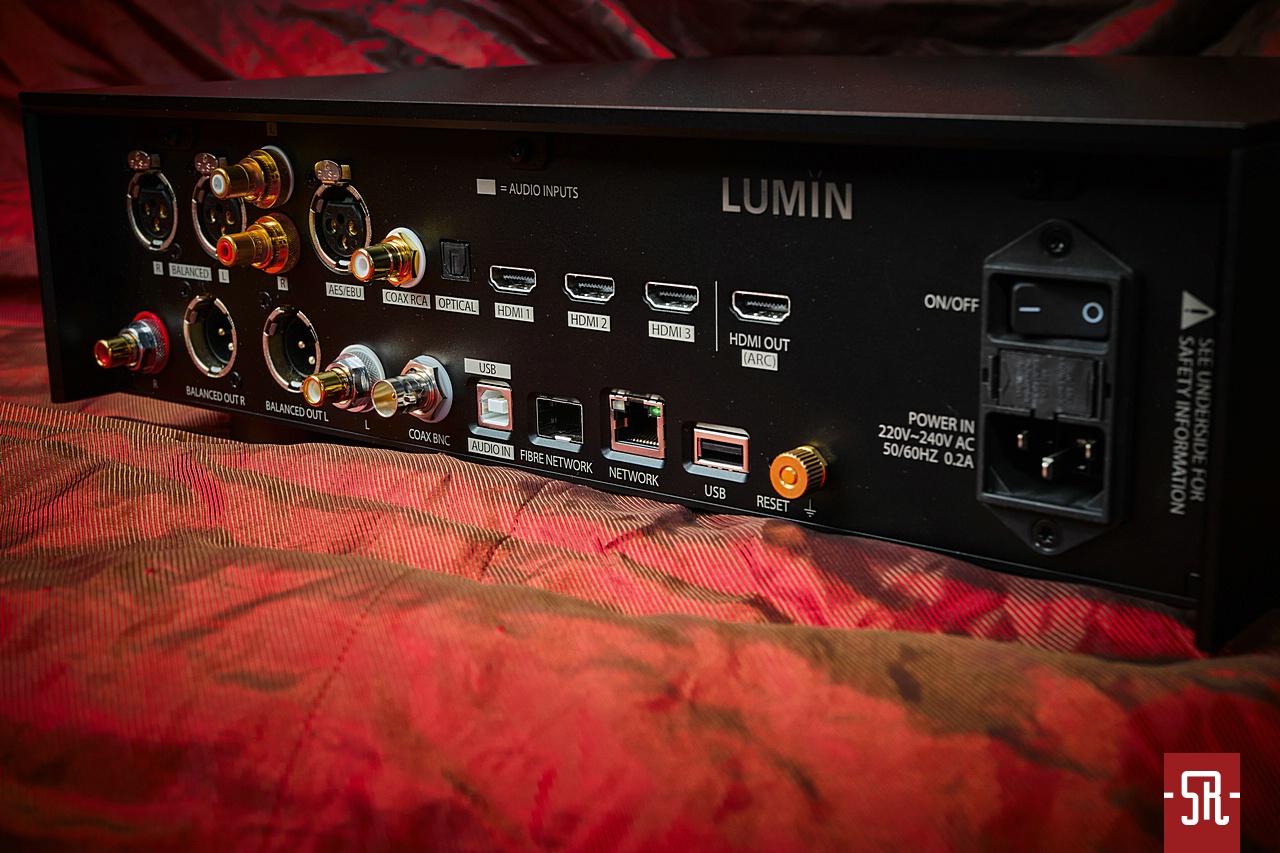
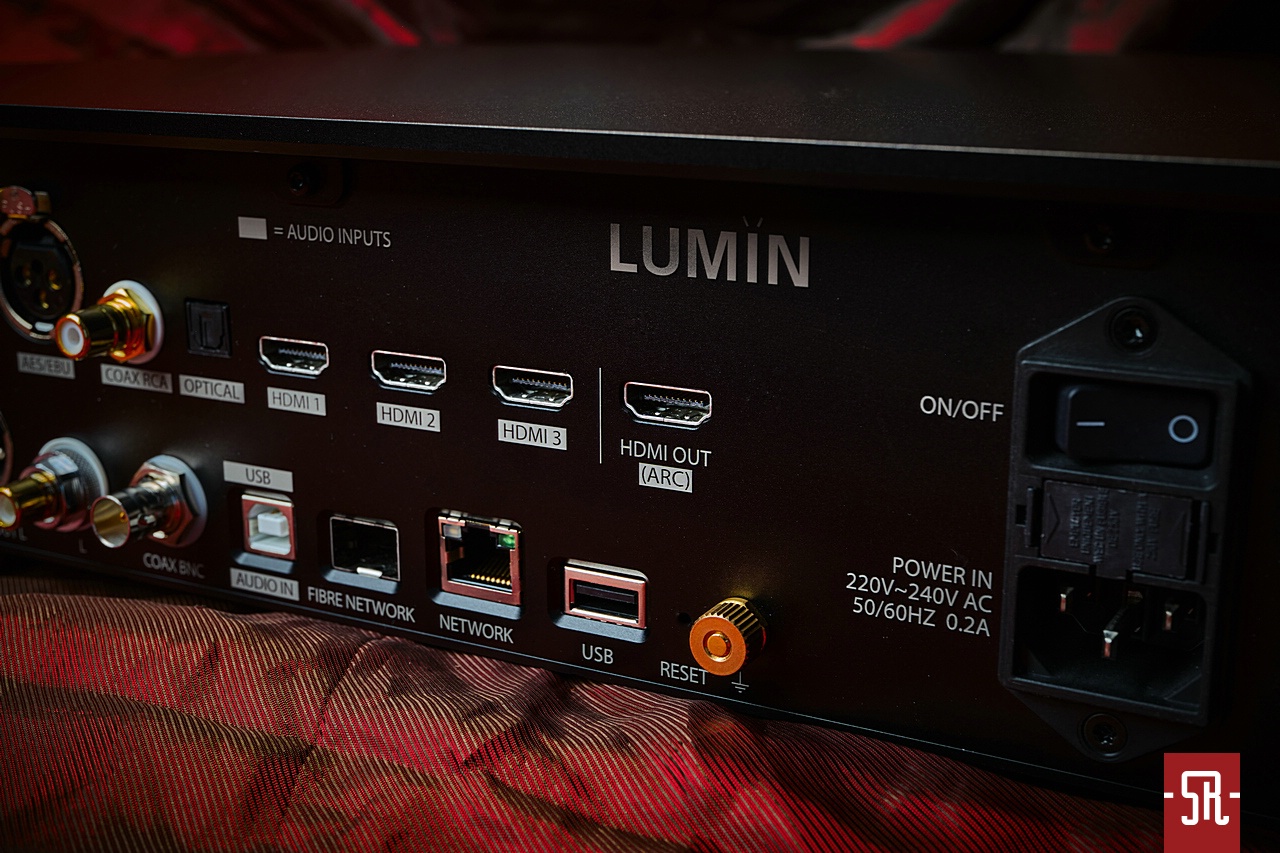
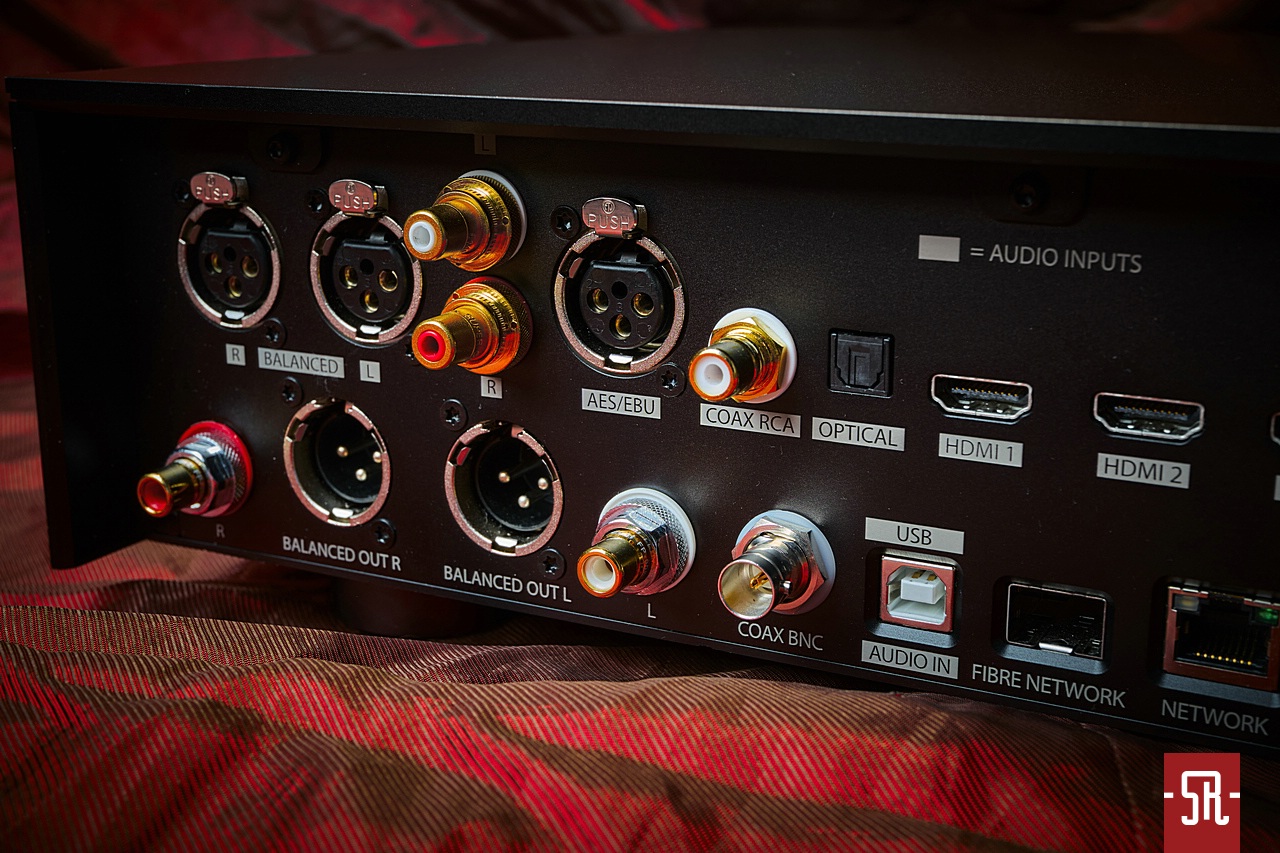
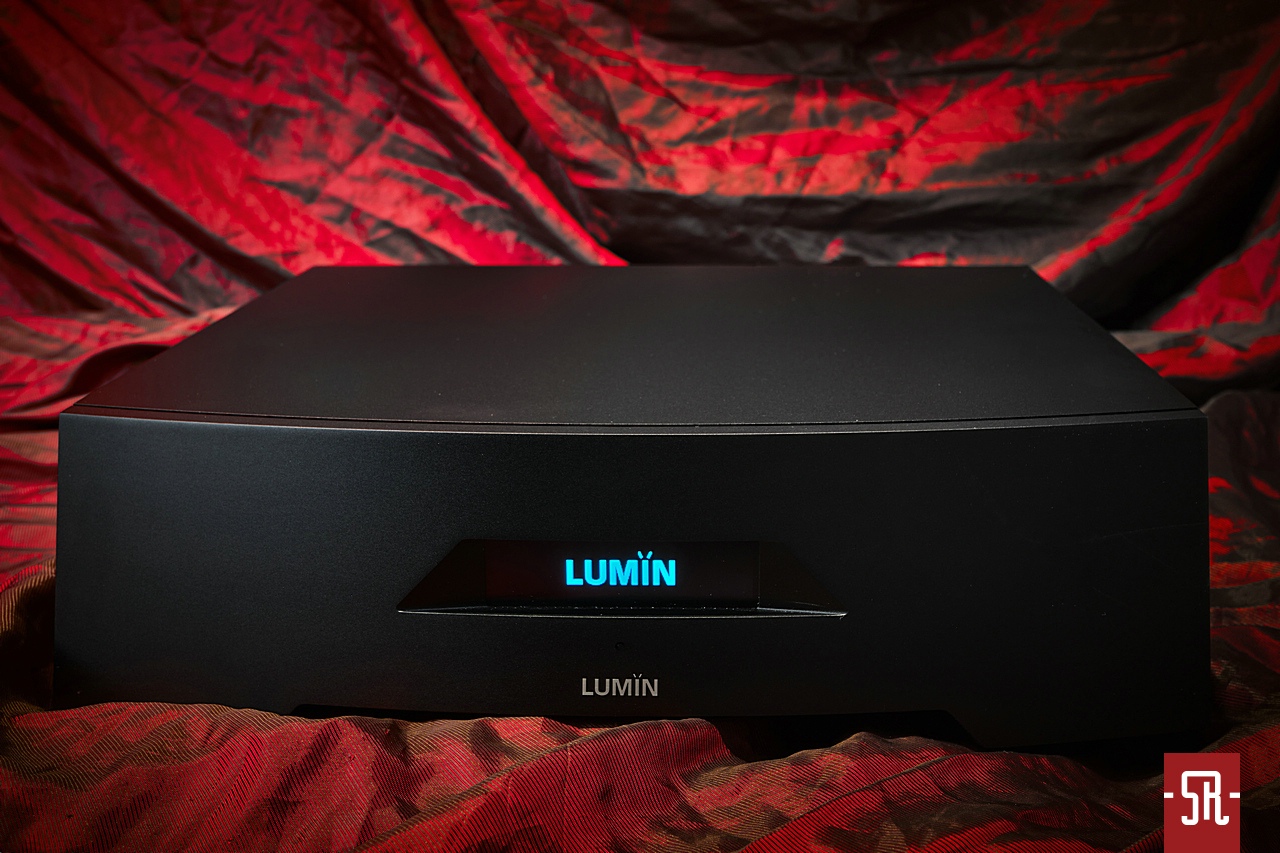
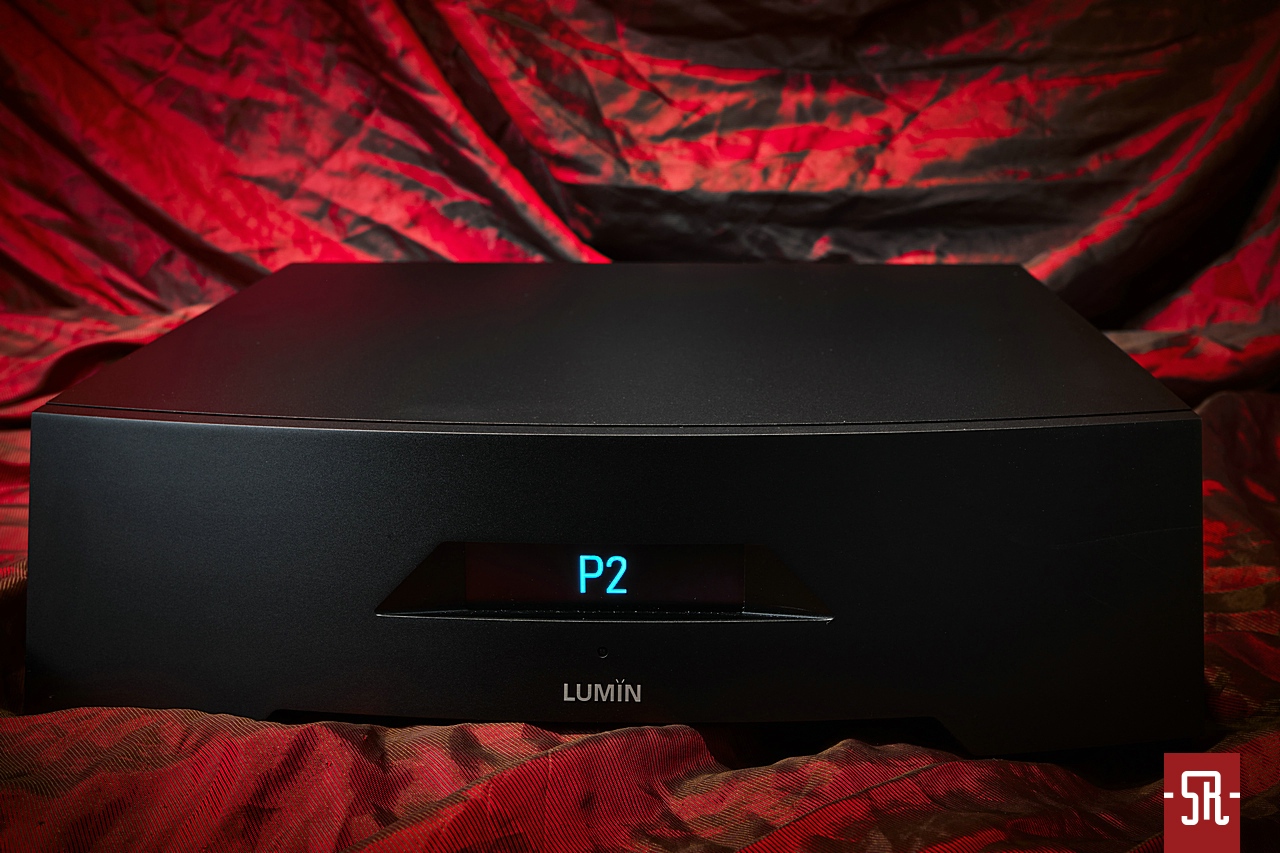
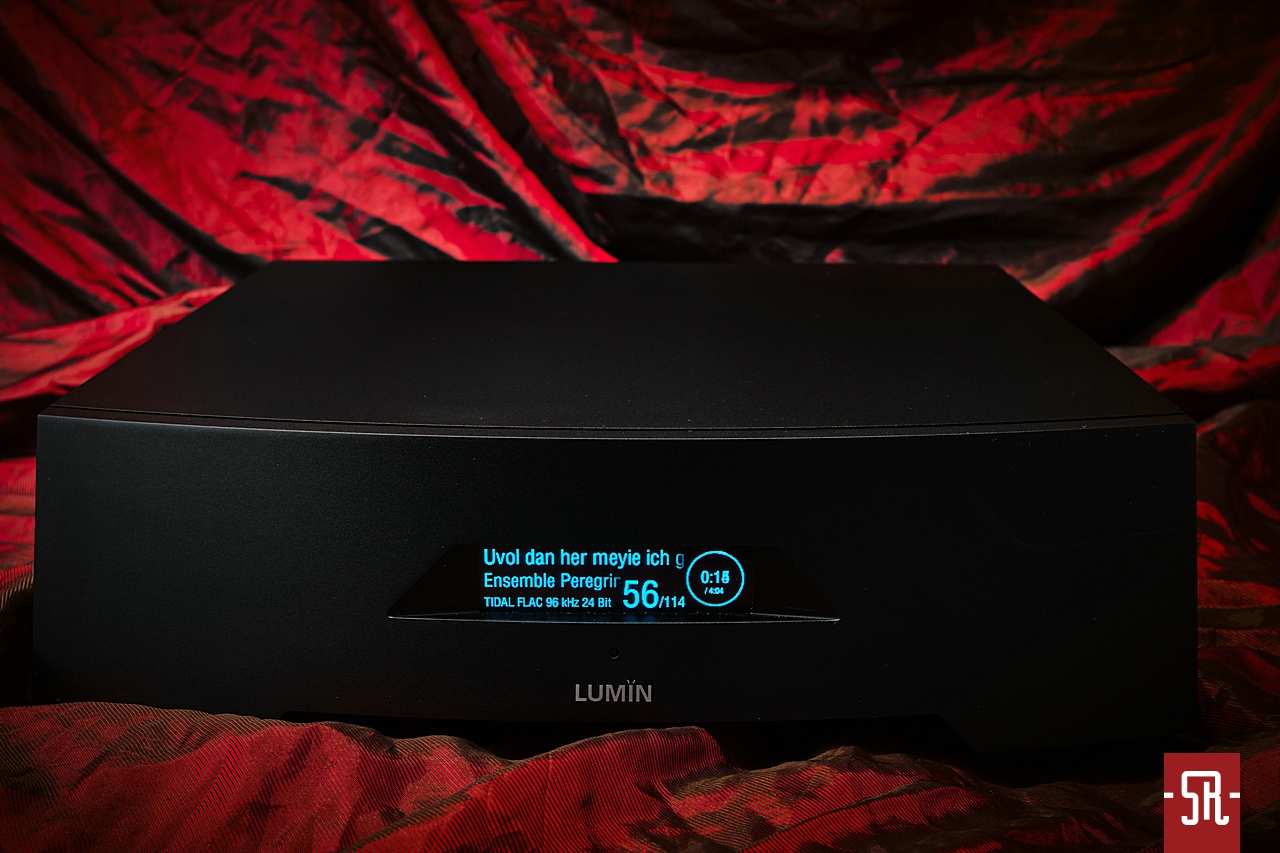
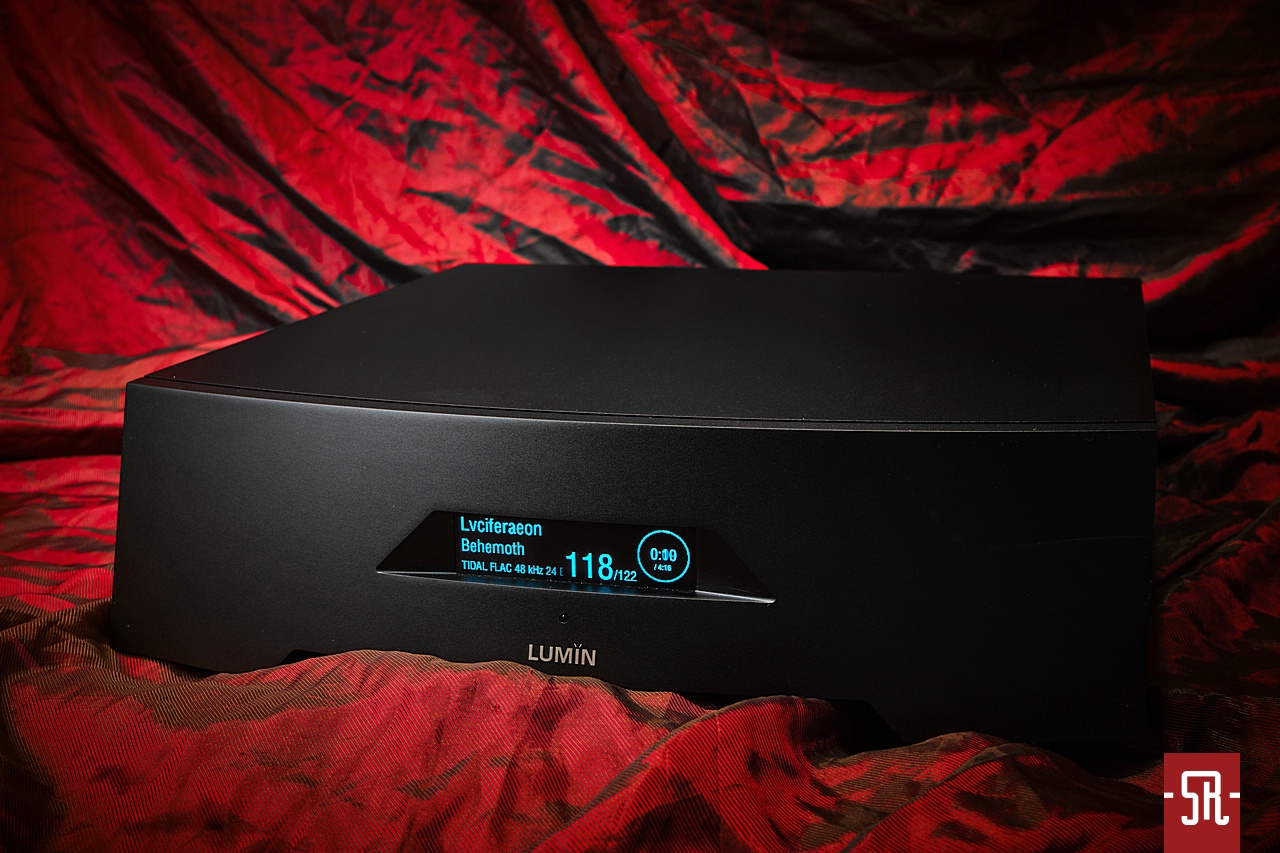
Looking at the gallery above and comparing the object of our today’s interest with its progenitor, you can successfully skip the game of “Find X differences”, because it is simply a waste of time, electricity and nerves. To put it simply, we are dealing with a truly similar design. Why change something that works, works well on a daily basis and is so characteristic in terms of design that it is impossible to confuse it with anything else. That is why the “armored” body, made of thick patches of black or silver anodized aLumïnum, catches the eye with a massive, slightly inclined, and at the same time arched, front with a characteristic blue display hidden in a centrally located bay window, under which a discreet company logo is placed. Much more happens on the reverse, which is indented from the outline of the body, where we get a pair of linear balanced and RCA inputs, a similar set of outputs with an adjustable output level (Leedh Processing proprietary lossless volume control). The digital domain, on the other hand, is represented by AES/EBU, coaxial, optical, USB, three HDMI inputs with an HDMI Arc output. The outputs, on the other hand, are in coaxial, BNC and USB formats. Communication with the outside world is provided by RJ45 1000Base-T and SFP Gigabit ports. The list is closed by the ground terminal and the IEC power socket integrated with the fuse chamber and the mains switch. There is also an elegant remote control, the presence of which is pleasing, although I am well aware that most users, if only because of habit and convenience, will more often reach for a tablet/smartphone with a company application, which I will consider one of the best on the market if not the top dog.
As you can easily guess, since there are no differences from the outside, they must be hidden in the bowels of our hero. And this is indeed the case, because the P2 is equipped with the latest version of the company’s hardware platform with a new, more powerful processor and a more powerful version of the DAC chips. And to be more precise, in the digital section there are two (one per channel) ES9038Pro SABRE32 chips. A nice touch is the conventional power supply, based on two small toroidal transformers and a fully balanced analog output stage in a dual-mono topology with Lundahl transformers.
As for the software layer, we have native support for PCM 384 kHz/32 bit, DSD512, MQA, countless streaming services and, of course, Roon Ready.
Apart from technological issues, however, the key is the possible, albeit presumed, progress compared to its predecessor, because something must have been up, since the P2 did see the light of day. And so it is, in fact, because even the fairy-tale-oneiric „The Meaning of Flowers” by Agnes Obel sounded from the very first bars very similar to the previous version, but at the same time perhaps not so much changed, but more refined and „faithful to the truth” – more holographic. While the P1, like the U2 Mini, slowly moved away from the „analogue density” of its predecessors in favor of sophisticated resolution, there is no denying that compared to the P2, these were just innocent try-outs. However, I will immediately reassure all those who are afraid of being too analytical and laboratory cold, because this is not what the Hong Kong transformation is about. Simply, from a strictly euphonious level of pleasant smoothness, saturation and not exaggerated sweetness, our today’s guest has evolved to the level of extremely realistic sophistication, where he no longer has to save himself with „beauty treatments”, because the presented truth about the reproduced recording perfectly defends itself. Attention is drawn to the truly phenomenal holographic spatiality with extremely precise focusing of apparent sources and the definition of the bodies of individual vocalists and instruments. The narrative is conducted from the first, slightly approximate plan into the depths of the scene, which is subject to exemplary gradation, so it will depend only on the preferences of the listener whether they will focus their attention on the foreground events, or whether they will be tempted by a slightly more in-depth and insightful exploration. At this point, however, it is worth emphasizing that Lumïn does not force you to do anything, but only offers both paths, without favoring the opportunity to get to know either of them.
On the other hand, on the epic, disturbing and somewhat sonically „technicized” album „Terror Management Theory” by TEMIC, the aforementioned resolution comes to the fore, because despite the breakneck prog-metal bends and virtuoso performances, there is exemplary order on the stage, and each of the sounds has its precisely defined place in space and time. Nothing merges or breaks out in front of the line. The drum parts, which Simen Sandnes mercilessly pounds on his Mapex, twisted like a snail’s house, have an extremely pleasant timbre and meatiness, but at the same time they do not sound too soft, plush, which is critical when Jacob Umansky’s bass joins them and the whole thing is „covered by a quilt” from Diego Tejeida’s keyboards, because it is getting dense, and this is just an interlude to the vocal performances of Fredrik Bergersen Klemp and the fiery riffs of Eric Gillette, where any shortcut or attempt to simplify the native complexity of the composition ends in an annoying chatter. Meanwhile, P2 with extraordinary freedom and at the same time reverence conveyed the artistic intentions of the musicians, stunning with the richness of details and mastery of performance. Attention was drawn to the extensiveness, momentum and aeration, which until recently, although undeniably present, were not particularly accentuated in the same expressive way in the Lumïn, or even allowed to present. Another change is the immediacy and ruthlessness of the attack, which has gone from the phase of distinction and elegance to the stage of awe-inspiring effectiveness. Half jokingly, half seriously, one could say that on „Insanium” by Whom Gods Destroy the P2 compared to the P1 in terms of expression and dynamics is like Jason Statham put against Daniel Craig. There is more of the „bad boy” in its sound and that twinkle in the eye, after which you already know that „it will happen” soon. And here is a small digression, because while using a good „twisted pair cable” we can model the sound of the eponymous device in a fairly clear way, switching to SFP not only attaches the proverbial roller skates and a jetpack to it, which makes us reach the very source of truth and the untainted form of the source material. It may sound too lofty, but it is during / after the optical fiber that we reach the level of „non-playing” of the wiring, i.e. the desired losslessness and, I assume, the final transparency of the sound. And you can just hear it – the sound is clearer, holographic and realistic. Therefore, if someone likes to have fun and listen to „cables”, the way is clear, because the P2 offers such an opportunity, of course, but if we get to the stage of listening to music and not equipment, then the SFP bus will take care of the problem.
Starting to sum up today’s meeting, I have no choice but to suggest that if you are only wondering, or have been thinking about, a serious, if not a thorough reconstruction of your audio system in terms of making the best use of the potential of audio streaming without irrational multiplication of the hardware, I dare say that the Lumïn P2 has quite a good chance of becoming a solution to your dilemmas. In fact, in the case of split amplification, it may well eliminate a conventional preamplifier from the sound path. There will be fewer cables, fewer separate elements in the circuit, and at the same time I do not feel able to conclude that the above reduction will bear the hallmarks of any compromise. The situation may be similar in the case of your own DAC, taking care of the CD transport, whose parallel presence with Lumïn may turn out to be as puzzling as it is debatable. To put it bluntly, you can successfully build a high-class system consisting of analogue sources, possible transport of CDs and power amplifier, saving time, resources and space, and at the same time being sure that we will consider the aforementioned compromises only in terms of „what if we had 2-3x more resources”. And with the P2, you can finally catch up with the metaphorical bunny and take care of what is most important, i.e. listening to your favorite music.
Marcin Olszewski
System used in this test
– CD/DAC: Vitus Audio SCD-025 Mk.II + 2 x Quantum Science Audio (QSA) Blue Fuse
– Network player: Lumïn U2 Mini + Farad Super3 + Farad DC Level 2 copper cable + Omicron Magic Dream Classic; I-O Data Soundgenic HDL-RA4TB
– Turntable: Denon DP-3000NE + Denon DL-103R + Omicron Decoupler Clamp
– Phonostage: Tellurium Q Iridium MM/MC Phono Pre Amp
– Digital source selector: Audio Authority 1177
– Integrated amplifier: Vitus Audio RI-101 MkII + Quantum Science Audio (QSA) Violet fuse
– Loudspeakers: AudioSolutions Figaro L2 + Solid Tech Feet of Balance + zwory ZenSati Angel
– IC RCA: Furutech FA-13S; phono NEO d+ RCA Class B Stereo + Ground (1m)
– IC XLR: VLAD Audio Epitome XLR; Furutech DAS-4.1; WK Audio TheRed XLR
– Digital IC: Fadel art DigiLitz; Harmonic Technology Cyberlink Copper; Apogee Wyde Eye; Monster Cable Interlink LightSpeed 200
– USB cables: Wireworld Starlight; Vermöuth Audio Reference USB; ZenSati Zorro
– Speaker cables: WK Audio TheRed Speakers mkII + SHUBI Custom Acoustic Stands MMS-1
– Power cables: Esprit Audio Alpha; Furutech FP-3TS762 / FI-28R / FI-E38R; Organic Audio Power + Furutech CF-080 Damping Ring; Furutech Evolution II Power; 3 x WK Audio TheRed Power
– Power distribution board: Furutech e-TP60ER + Furutech FP-3TS762 / Fi-50 NCF(R) /FI-50M NCF(R)
– Wall power socket: Furutech FT-SWS-D (R) NCF
– Switch: QSA Red + nóżki Silent Angel S28 + Farad Super6 + Farad DC Level 2 copper cable
– Ethernet cables: In-akustik CAT6 Premium II; Audiomica Laboratory Anort Consequence, Artoc Ultra Reference, Arago Excellence; Furutech LAN-8 NCF; Next Level Tech NxLT Lan Flame; TIGLON TPL-3000L-WT (White Tiger)
– Anti-vibration platform: Franc Audio Accessories Wood Block Slim Platform
– Table: Solid Tech Radius Duo 3
– Acoustic panels: Vicoustic Flat Panel VMT
Opinion 2
One thing is certain, looking at the frequent turmoil and quality changes among Asian manufacturers of music streaming devices – let me not dig at the failing ones – the tested manufacturer can be safely described as one of the few most stable pillars of this piece of the audio pie. And it is not just about the fact that it has been in this difficult market for many years, but also about the wide range and very thoughtful introduction of new products. Naturally, in the latter case, I am not thinking about any changes made to appeal the public, but making decisions only at the moment of internal conviction that a device of significantly better quality will be offered, which, as you probably know, is unfortunately not a standard. Of course, such a strategy is deeply thought out, because on the one hand, the company gains respect among satisfied users, and on the other hand, its actions encourage new entities to follow the path proposed by it. Who am I talking about? Naturally about the Lumïn brand, from which portfolio, thanks to the logistical efforts of the Wrocław-based distributor Audio Atelier, a kind of market novelty has appeared on our doorstep, in the form of the currently top “hub”, i.e. a network player combined with a preamplifier called Lumïn P2.
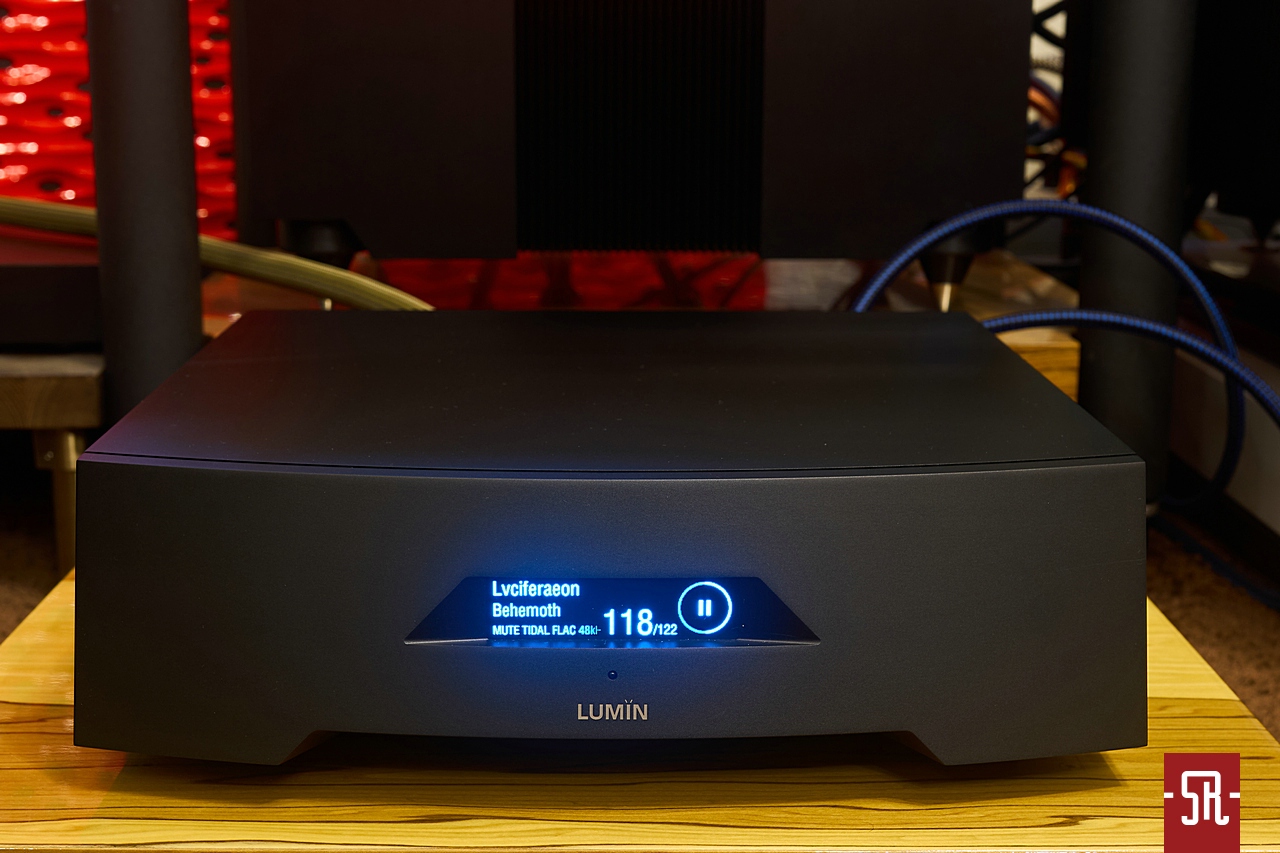
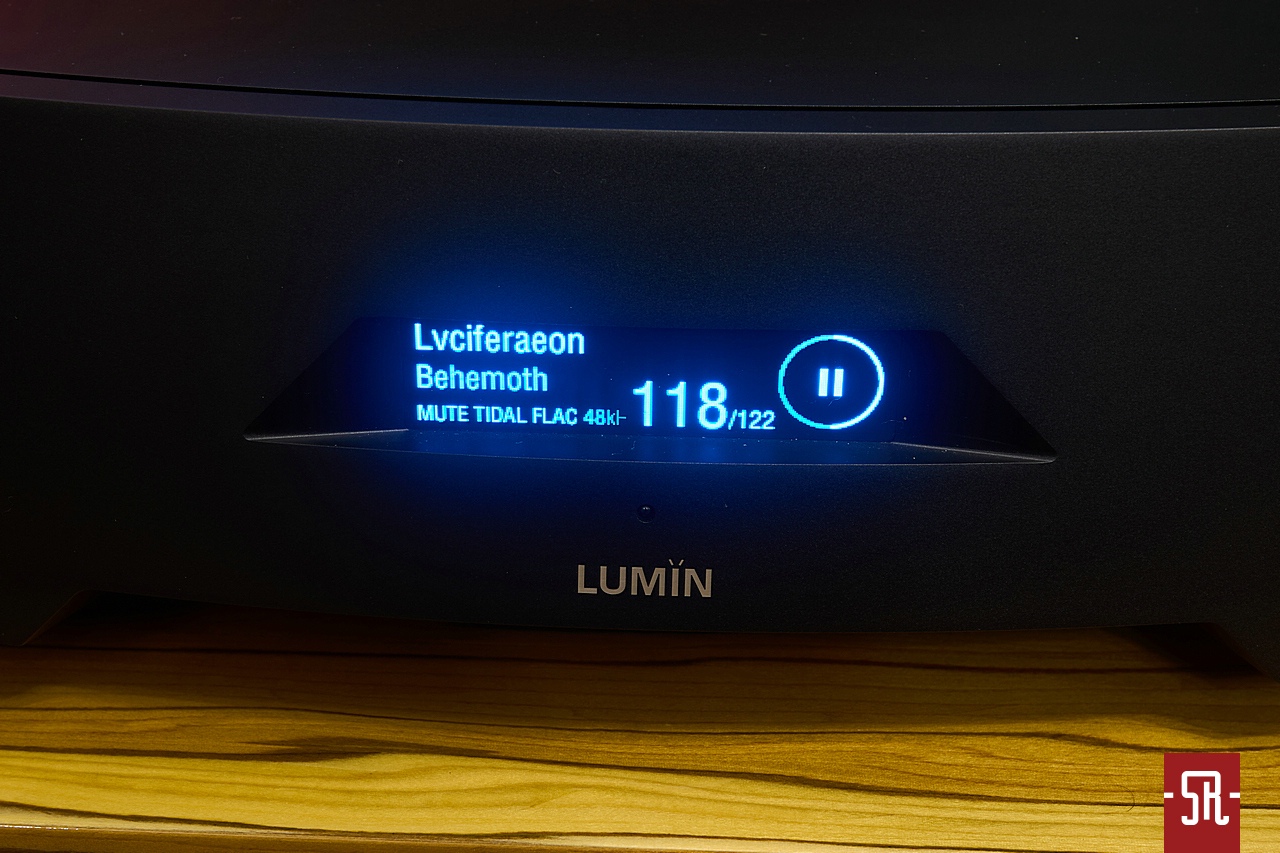
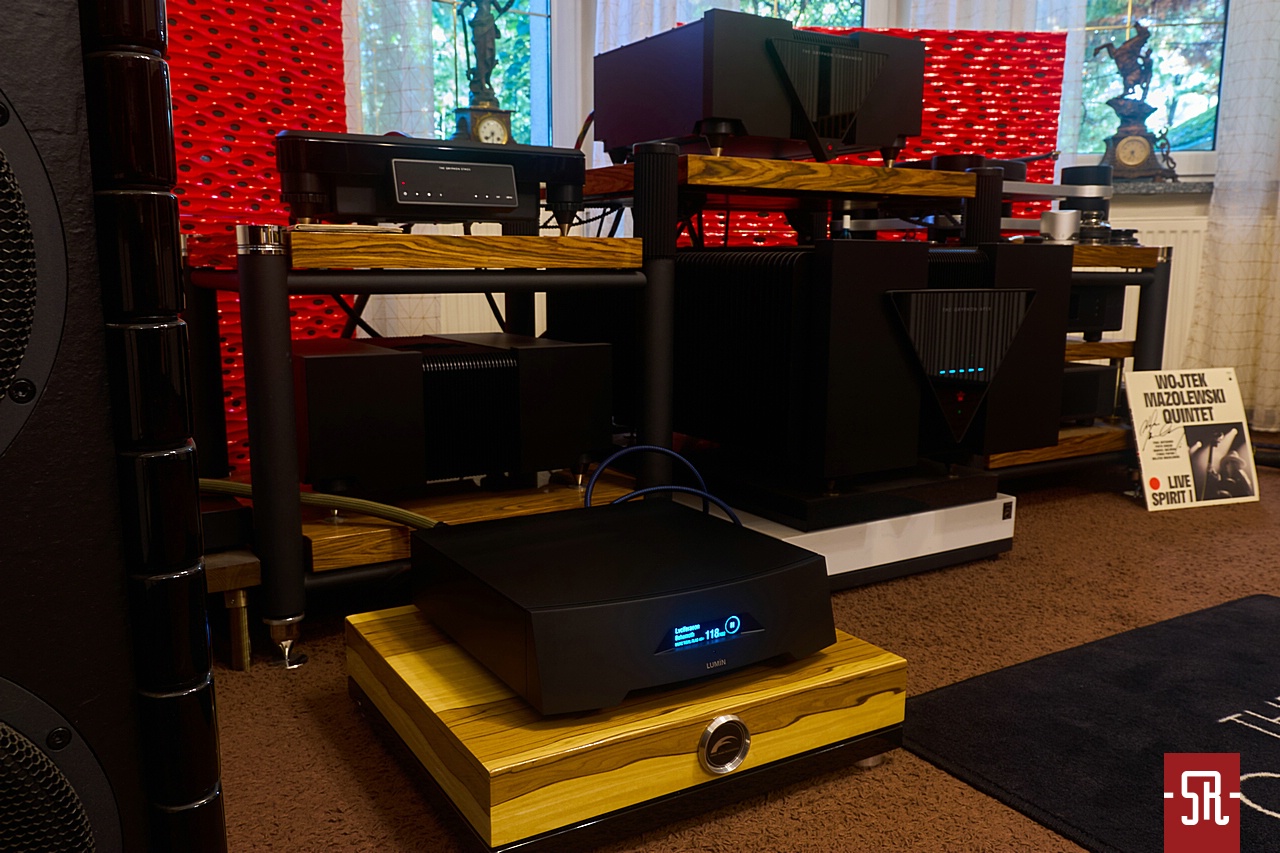
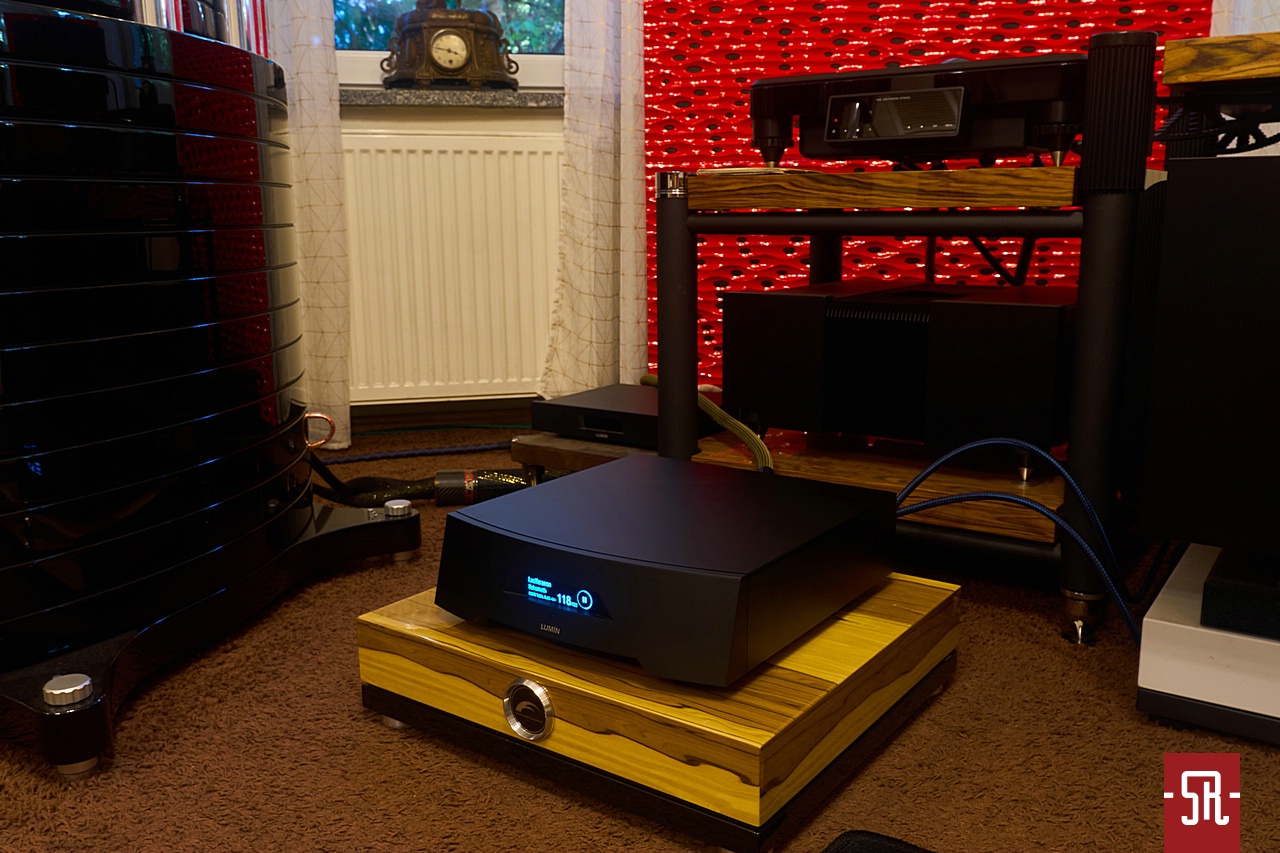
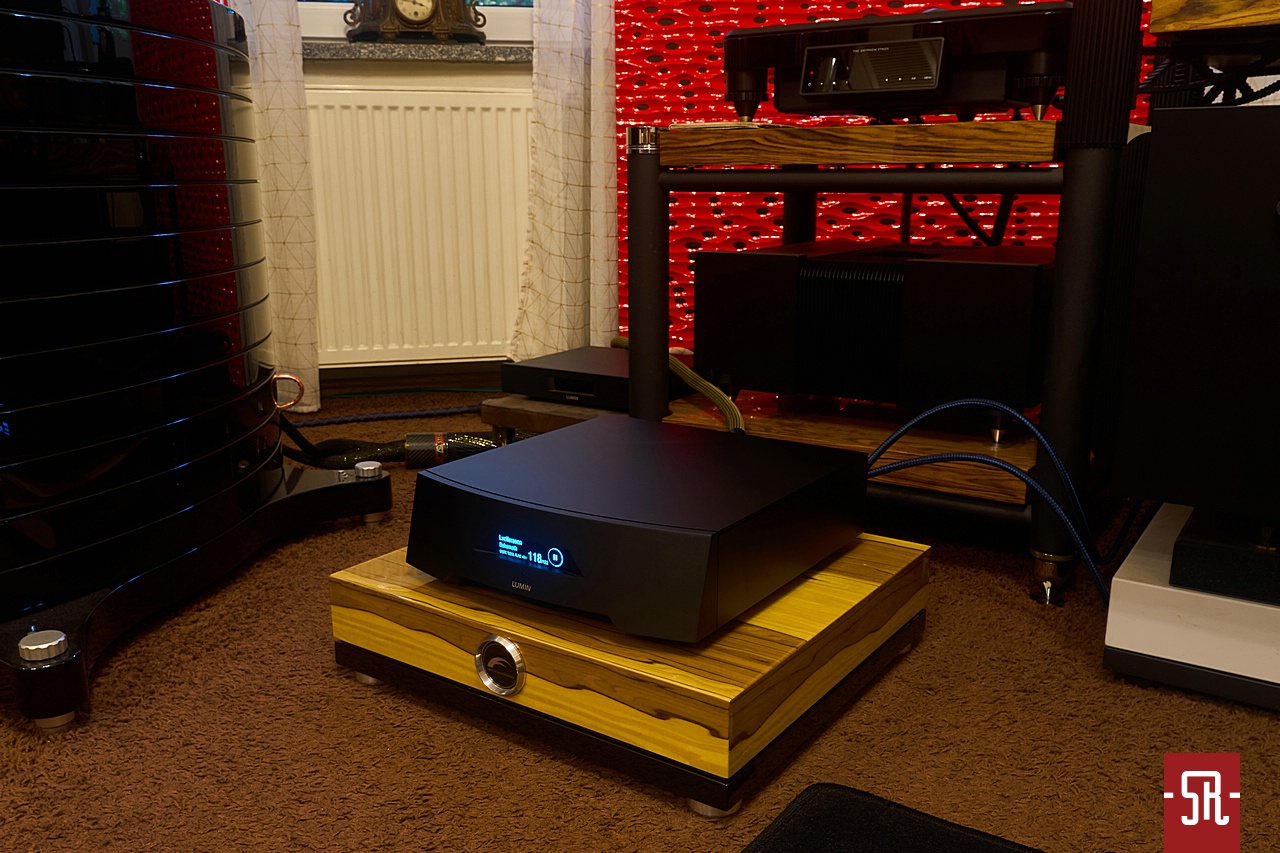
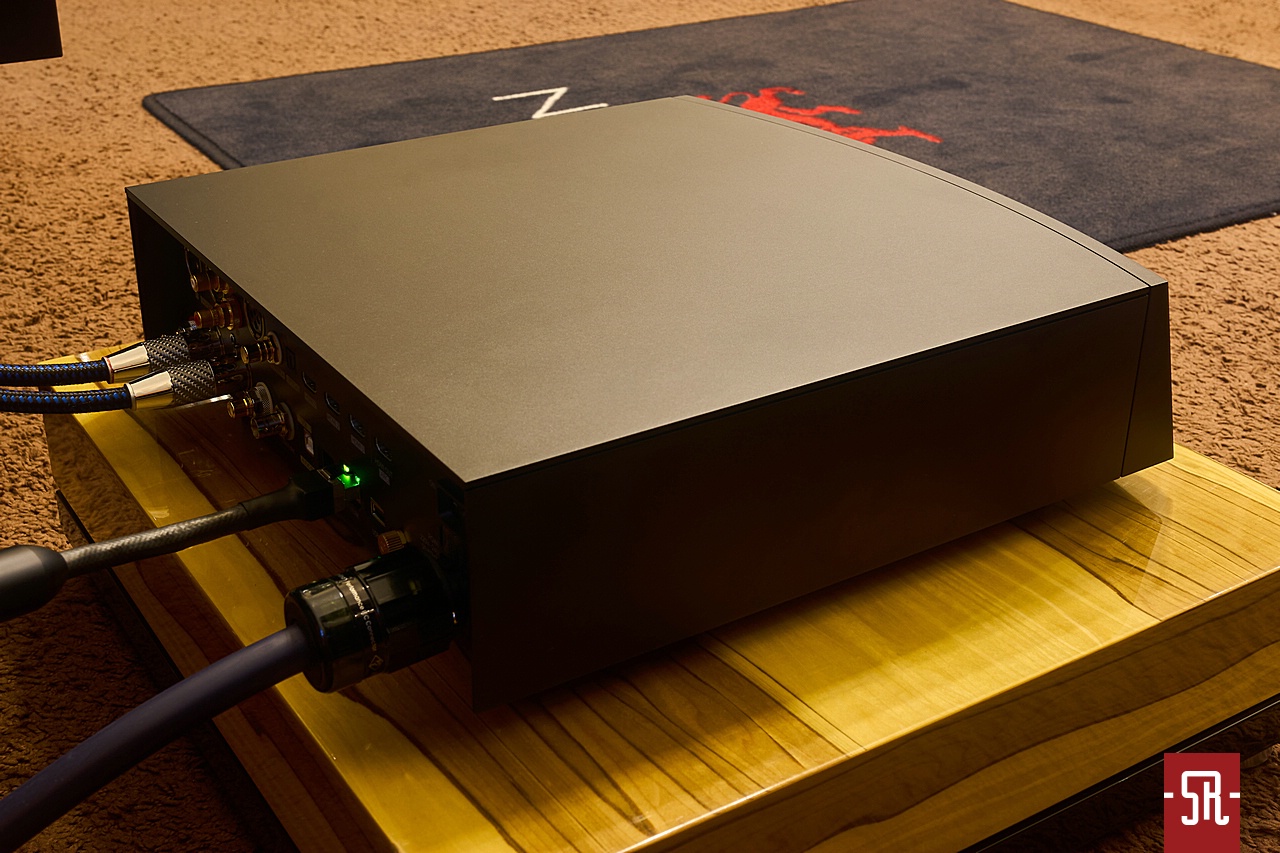
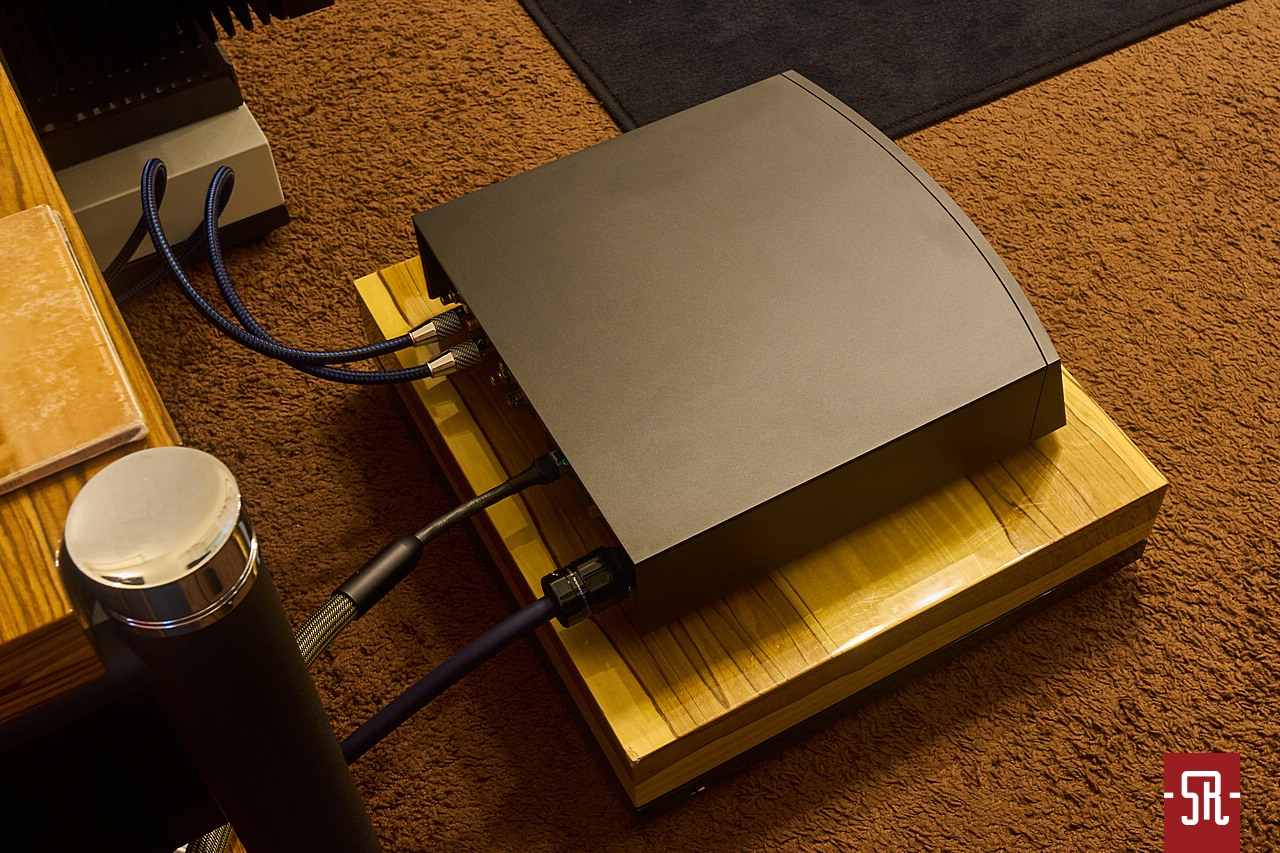
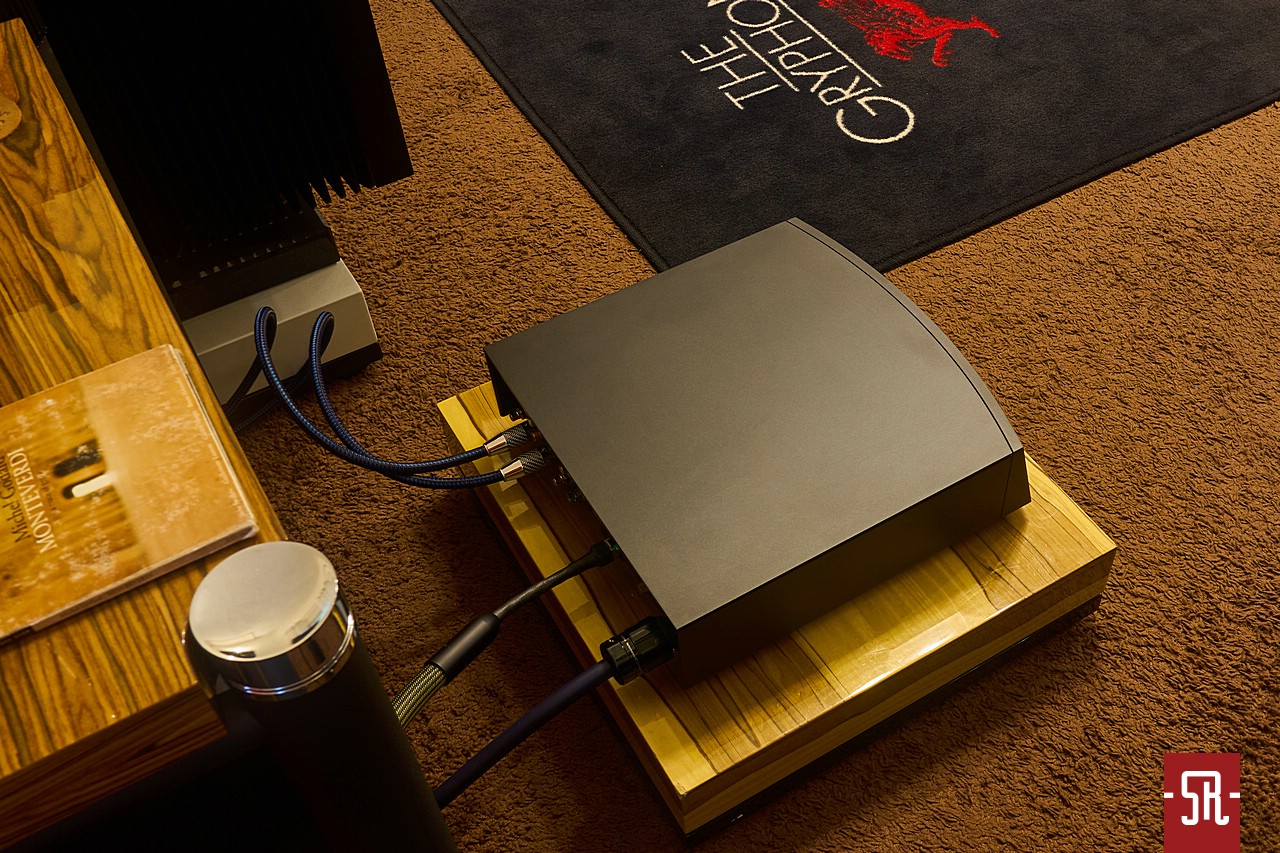
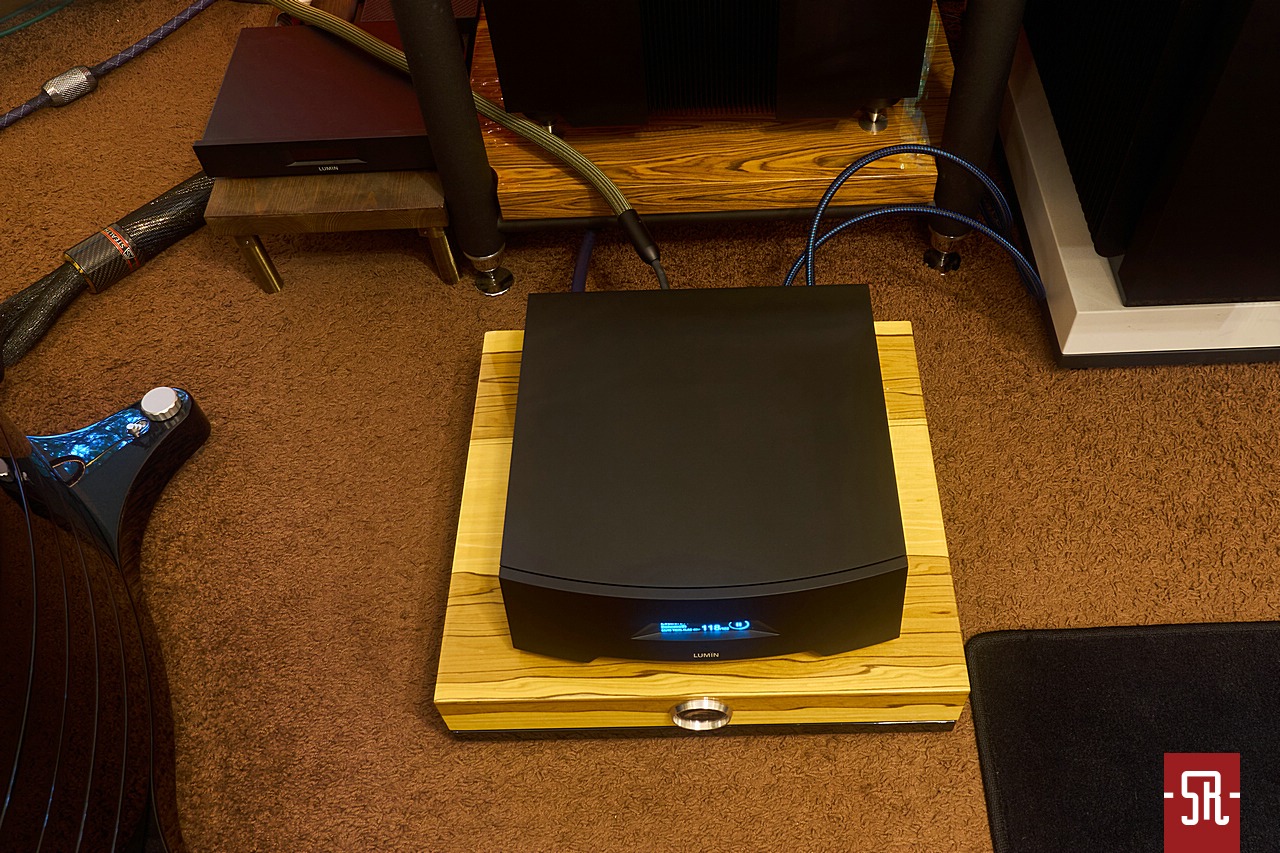
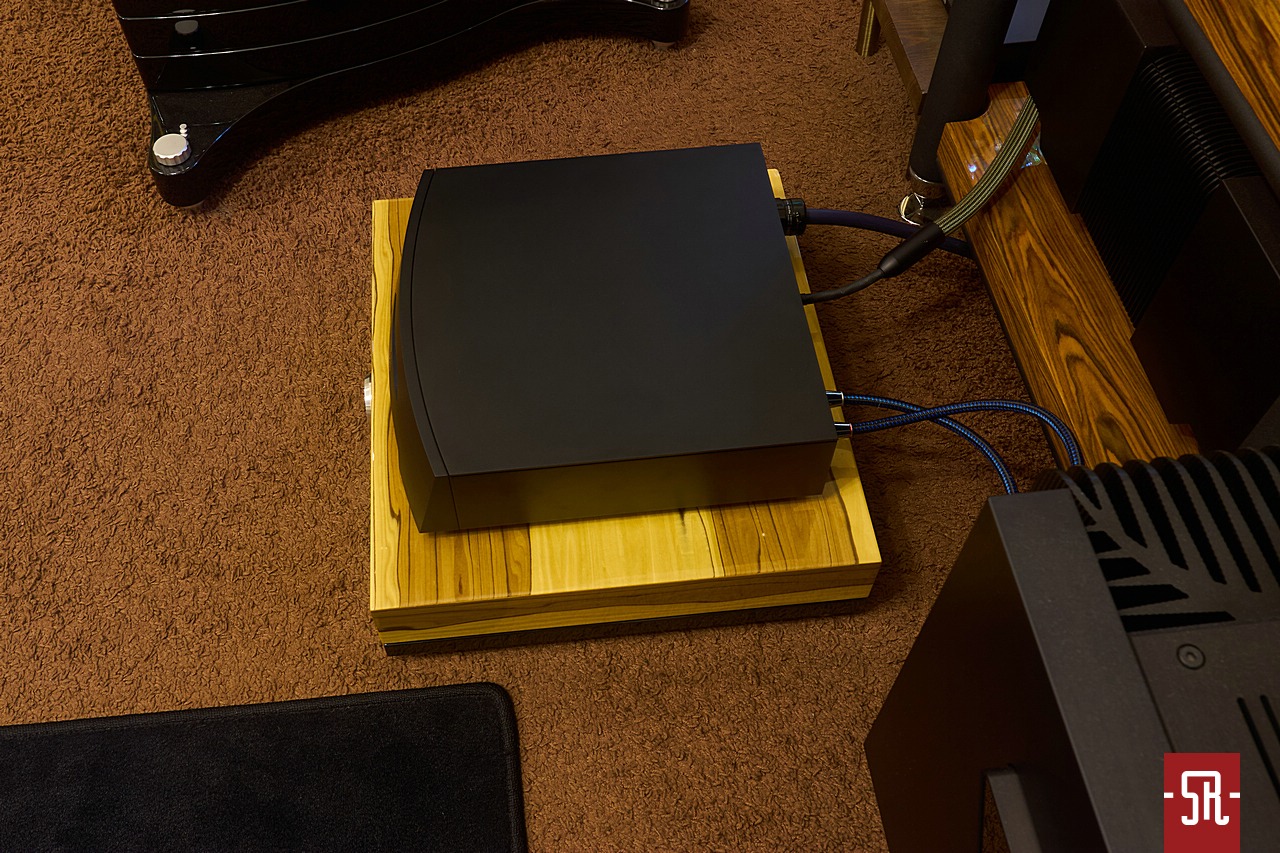
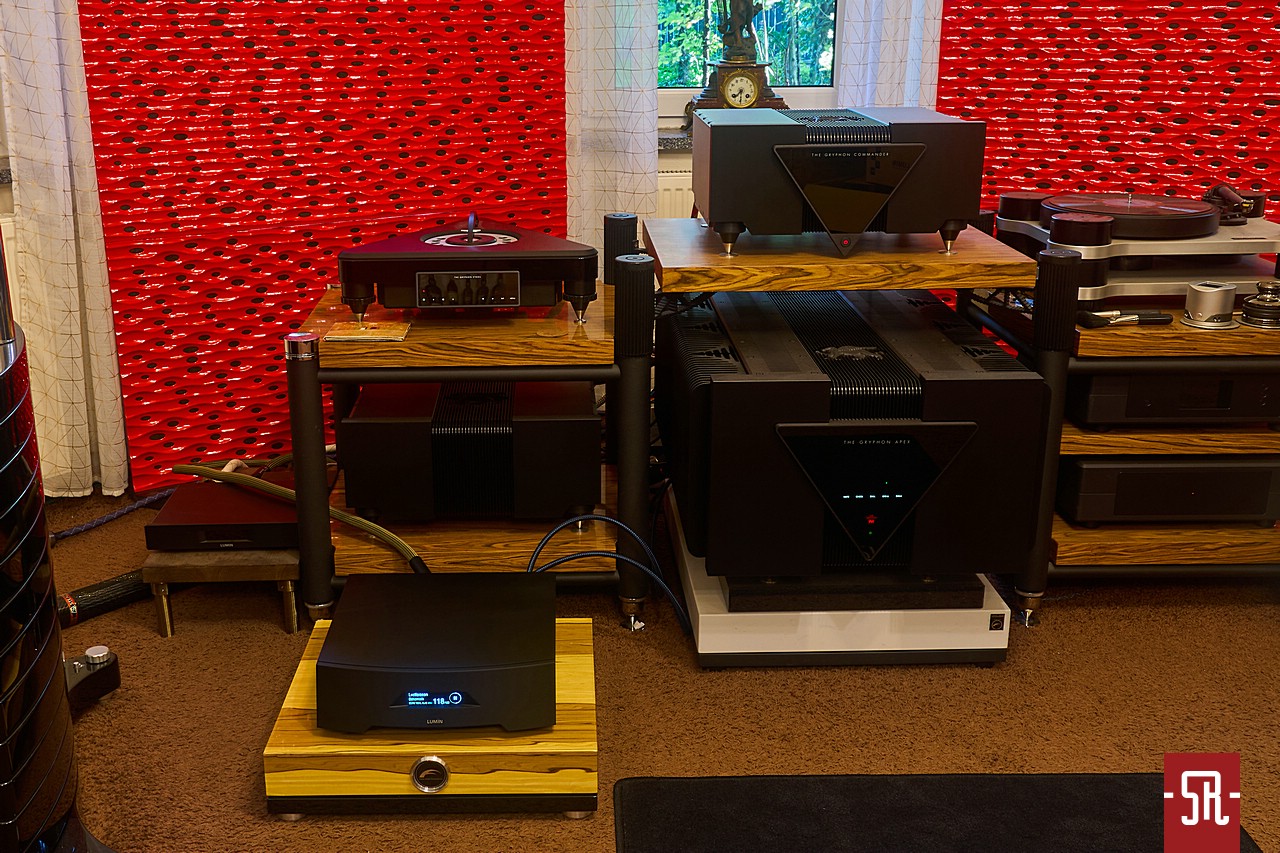
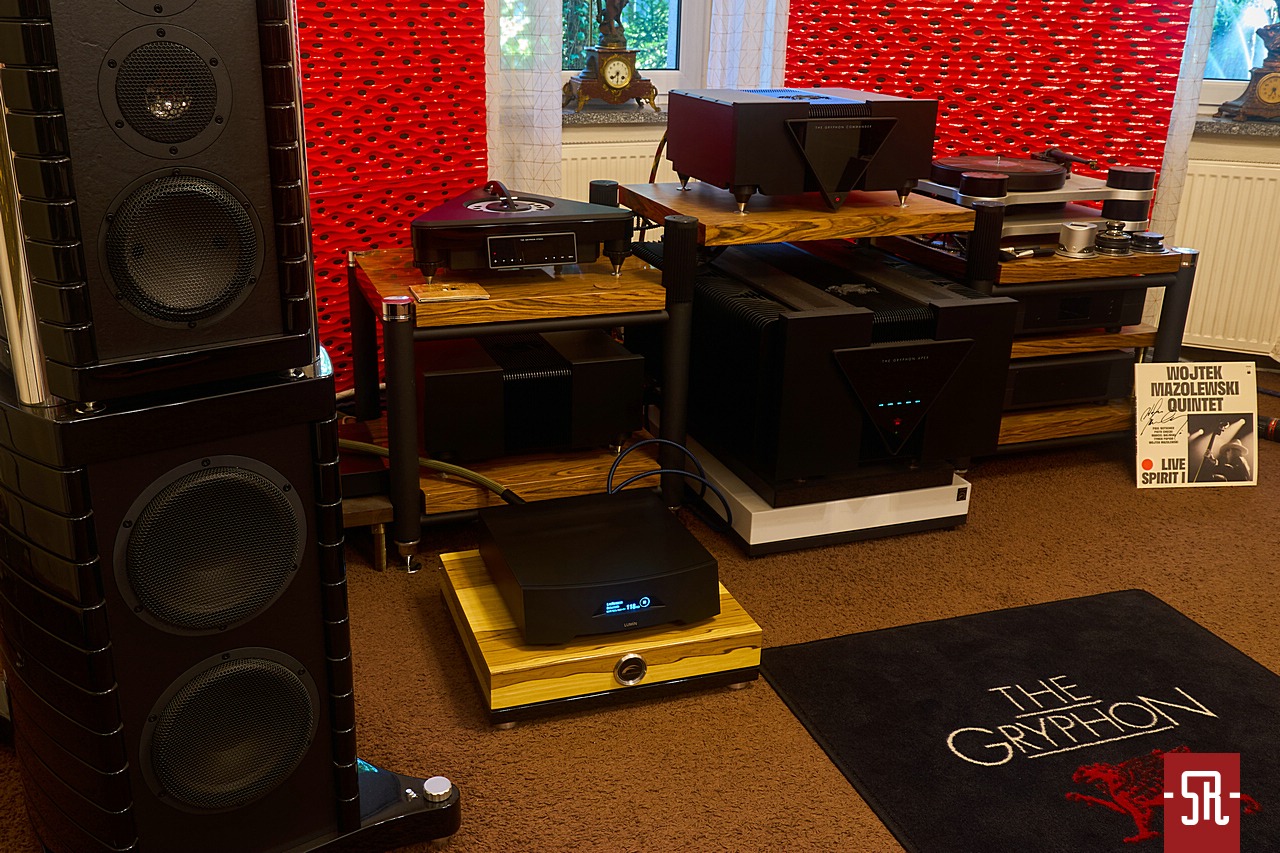
As the photographs show, the new version of the Lumïn device uses a chassis very similar to the predecessor P1. We are talking about a large aluminum cuboid, in which the front is smoothly curving from left to right in an eye-friendly arch, and in the vertical vector is a slope leaning backwards. An additional interesting visual item, is the application in the center of the aforementioned fascia, a shimmering blue display, which having only a few lines, still is showing a full package of information about the listened material – despite the possibility of viewing it in a dedicated application – and is quite legible from a reasonable viewing distance. The whole perception of this part of the streamer is enhanced with a milling of its lower edge, imitating feet supporting the entire structure and at the same time giving a kind of lightness to the massive body. Maybe the photos do not give it enough credit, but I assure you, it looks really great in real life. As for the back of the device, here we have a typical Lumïn thing, i.e. moving the connection panel back in relation to the upper part of the case and the sides. So what does Lumïn offer from the so-called sacristy? Of course, a battery of connections that perform a full set of tasks. And this means a series of digital inputs for external sources – LAN, HDMI, USB, COAX, AES/EBU, BNC, as well as analogue in the form of a pair of RCA and XLR, and as it provides signals directly to the power amplifier, a package of analogue outputs – RCA, XLR. Of course, we will also find an IEC power socket integrated with the fuse and a ground clamp that is currently standard in top-class devices. As you can see, our hero is not only neat and visually attractive, but also multifunctional, which makes it very versatile in today’s demanding times.
How did the P2 used as a preamplifier control for the Gryphon Apex power amplifier – for which, by the way, it was specially prepared – perform in terms of sound? Well, the engineers, taking care of the brand recognition developed over the years through the aesthetics of music presentation, did not turn the proverbial table upside down, in the sense of a radical change in the sound. This is still the Lumïn as we know it for years. Colorful, essential and full of energy, and thus easily bringing the listener closer to the core of the music. However, as in any of its new and better quality models, the most important thing, the current flagship is also much truer for creating a world of sounds suspended on the air to the older version. If I were to confront it with its predecessor, I would say that in many aspects it is just like the P1. However, as you know, the devil is in the details. And the first one that really affects the overall perception of the novelties from Asia, is the sound resolution. Resolution affecting the legibility of the sound edges, improving the attack which automatically and positively corrects the motor skills of creating a virtual stage and, very importantly, eliminating the proverbial haze, thus increasing the directness of the music’s impact on the listener. That in turn dramatically increases the level of tangibility of its reception. In a word, Lumïn P2 is an evident step towards improving the realism of the music listened to. And what is most interesting, and in fact completely understandable, is the same way of projecting music regardless of the repertoire, from jazz music soothing the soul to an electronic singer furiously attacking the ears. And in fact, there is nothing surprising in this, because any repertoire, being played in very good quality, will always be repaid with a great reception. And when it seemed to me that the above aspects of music projection were the maximum capabilities of the eponymous Lumïn P2, at the urging of the distributor, I replaced the previously used LAN cable-based connection with a fiber optic cable. The result? Well, I do not know how to rationally explain it, but the micro dynamics have improved significantly. Suddenly, the music began to burst with a larger palette of information previously not fully extracted by the source from the digital recording, thanks to which it became more multicolored and offering countless layers of breath of presentation. I must confess it was a really good move. In my daily use, the Lumïn transport is not used, so I am glad that I was persuaded to try it.
And I am glad for this reason, because the music focusing on the emotions evoked by jazz trios in the style of RGG with the album „Szymanowski” drew on the aforementioned great micro dynamics to the fullest. This is one of my basic daily drivers into the world of notes written on a staff, and when it is visualized with a full palette of vibrating and volatile information, as the tested Lumïn P2 did, I literally and figuratively unconsciously experience the effect of shivers on my back. I do not even know when I enter the trance of chiseling a single sound, which was offered to me in a surprisingly wide range by the described network player. And to be honest, I did not expect such a performance. It really surprised me.
Naturally, also not regretting drawing on the evoked sonic skills of P2, using music with a strong hint of rebellion in the background, which also sounded very good. In this case, I mean Rammstein, strong in expressing feelings and sounding with aggression on the album „Zeit”. As you know, the singer is not shy to get into our emotional interior. However, in a completely different style from the native trio RGG. By definition, his performances sound sharply expressive, both in terms of music and vocalization. So expressive that when the system has problems with a good reproduction of this heavily compressed material, we get a painful „slaughter”, not an expressive protest song. Fortunately, during the appropriate test session, Lumïn showed that when the DNA code is inscribed with the operation of great timbre, controlled mass and, last but not least, good dynamics, even such hard-to-play material can be listened to with pleasure and at a high volume level. No one will be surprised that, as in the case of jazz, I was positively surprised by Rammstein’s performance.
Based on the above description of the sound of randomly selected albums, am I able to recommend the eponymous device to the entire population of music lovers? I would say this. From the point of view of universality – we are talking about the self-sufficiency of operating the power amplifier bypassing the line preamplifier – based on the signal generated by oneself or another external source – absolutely yes. On the other hand, looking at it from the strictly sonic point of , and knowing really very difficult cases of people searching for a massively twisted sound, the only group that may have problems with accepting such a musical source in my opinion are those who put speed and aggressiveness of presentation above all else. And not because Lumïn will not be able to cope with it, but because at the basis of its design was to bring us as close as possible to the beauty of music, and not to hurt our ears with it. So if you are looking for a self-sufficient device and offering a sound full of emotions, because from the first minutes the listener is captivated by the sound of the file source, which is the main point of this meeting, the Lumïn P2 should be the first choice when planning listening sessions. It is really worth taking an interest in.
Jacek Pazio
System used in this test:
– CD Player/DAC: Gryphon Ethos
– Streamer: Lumïn U2 Mini + switch QSA Red-Silver
– Preamplifier: Gryphon Audio Commander
– Power amplifier: Gryphon Audio APEX Stereo
– Loudspeakers: Gauder Akustik Berlina RC-11 Black Edition
– Speaker cables: Furutech Nanoflux-NCF Speaker Cable
– IC RCA: Hijiri Million „Kiwami”, Vermouth Audio Reference
– XLR: Hijiri Milion „Kiwami”, Furutech DAS-4.1, Furutech Project V1
– Digital IC: Furutech Project V1 D XLR
– Ethernet cable: NxLT LAN FLAME; Dyrholm Audio Nexus
– USB cable: ZenSati Silenzio; Dyrholm Audio Nexus
– Power cables: Hijiri Takumi Maestro, Furutech Project-V1, Furutech DPS-4.1 + FI-E50 NCF(R)/ FI-50(R), Furutech Evolution II, Hijiri Nagomi, Vermouth Audio Reference Power Cord, Acrolink 8N-PC8100 Performante, ZenSati Angel
Table: BASE AUDIO 2
Accessories: Quantum Science Audio Red fuse; QSA Silver fuse; Synergistic Research Orange fuse; antivibration platform by SOLID TECH; Harmonix AC Enacom Improved for 100-240V
– Power distribution board: Power Base High End, Furutech NCF Power Vault-E
– Acoustic treatments by Artnovion
Analog stage:
– Drive: SME 60
– Cartridge: My Sonic Lab Signature Diamond
– Phonostage: RCM Audio The Big Phono
– Clamp: Omicron Luxury Clamp
– Eccentricity Detection Stabilizer: DS Audio ES-001
– Tape recorder: Studer A80
Distributor: Audio Atelier
Manufacturer: Pixel Magic Systems Ltd.
Price: 55 990 PLN
Specifications
Network playback: max. DSD512, max. 384 kHz/16–32 bit, MQA Full Decoding
Upsampling: max. DSD256, max. PCM 384kHz
Digital Input:
– USB: DoP 128; PCM 384kHz/16–32-bit; DoP128
– AES/OPTICAL/SPDIF: PCM 44.1 – 192 kHz/ 16–24-bit; DSD64 (DoP64)
– 3 x HDMI: PCM 2.0; 4K Video Passthrough
Digital Output:
– USB: Natywnie DSD512; PCM 44.1–384 kHz/16–32 bit
– BNC SPDIF: PCM 44.1 – 192 kHz / 16–24 bit; DSD64 (DoP64)
– HDMI: HDMI ARC, Passthrough, PCM 2.0, 4K Video Passthrough ARC support; PCM 2.0
Analogue Input: RCA, XLR
Analog Output: RCA, XLR
Output level: 3Vrms RCM; 6Vrms XLR
Communication: Ethernet RJ45 network 1000Base-T; SFP Gigabit (1000Base-T); USB (storage, flash drive, USB hard disk);
DAC chip: 2x ESS SABRE32 ES9038Pro
Streaming Protocols: UPnP AV, Roon Ready, TIDAL Connect, Spotify Connect, Flac lossless Radio stations, Apple AirPlay, Gapless Playback, On-Device Playlist
Supported Audio File Formats:
– Lossless: DSF (DSD), DIFF (DSD), DoP (DSD); PCM: FLAC, Apple Lossless (ALAC), WAV, AIFF;
– Lossy: MP3, MQA
Digital filters: MQA QRONO d2a dla PCM
Size (W x D x H): 350 x 380 x 107 mm
Weight: 12 kg

