Zikra Audio 211 Nano X Core Silver Wired English ver.
Opinion 1
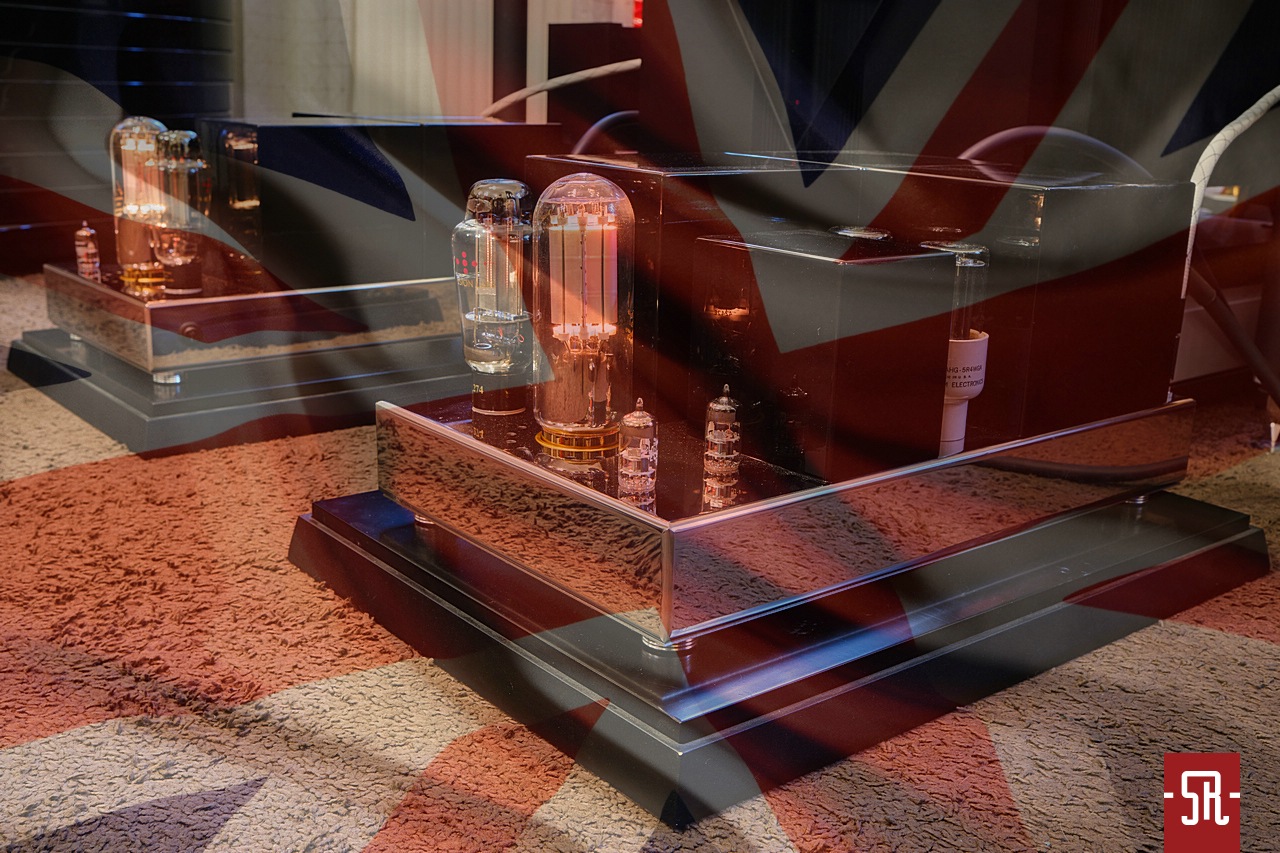
Most of you, our readers, certainly know, that this is not our first encounter with the Danish manufacturer Zikra Audio. However, not many would realize, that this time we took their flagship design for a test ride. The construction was very intriguing to me when I was arranging its visit, because every previous clash with the Danes always ended with a positively surprising sound result. However, not in the sense of duplicating the aesthetics of the tube sonic style by the tested designs, but in the way of approaching the creation of lower registers. Registers that, despite the many advantages offered by devices based on electron tubes, are for me the proverbial Achilles’ heel in the understanding of the perfect presentation of music. What do I mean with that? Of course, no uncompromising descent and condensation of the offered bass energy, which, in my ranking of expectations, makes it the weakest link in reproducing the music I listen to. And this is exactly something that our hero can handle unbeatably well, in a way known only in itself. So, what visited my sound sanctuary this time? As I mentioned, the top of the line, distributed by the Gdańsk based Premium Sound, heavy as hell and equally large, monophonic power amplifiers Zikra Audio 211 Nano X Core Silver Wired. Although they were promised to visit us about a year ago, and only made it now, the most important thing is that they are finally here. Taking into account the information I just provided, do you feel at least a hint of curiosity, just like I do? If so, I have no choice but to invite those interested to read a few paragraphs about the sound of the power amplifiers you can admire on the photographs.
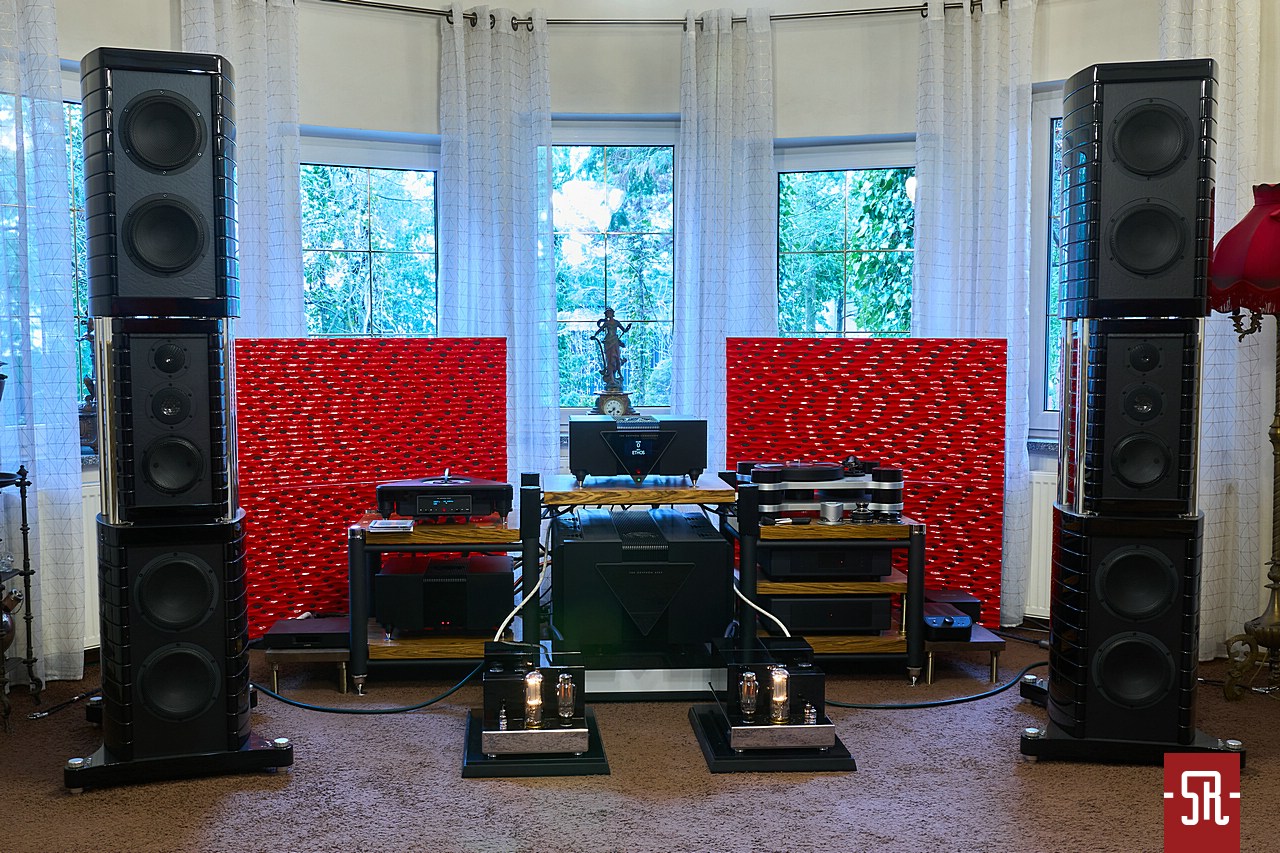

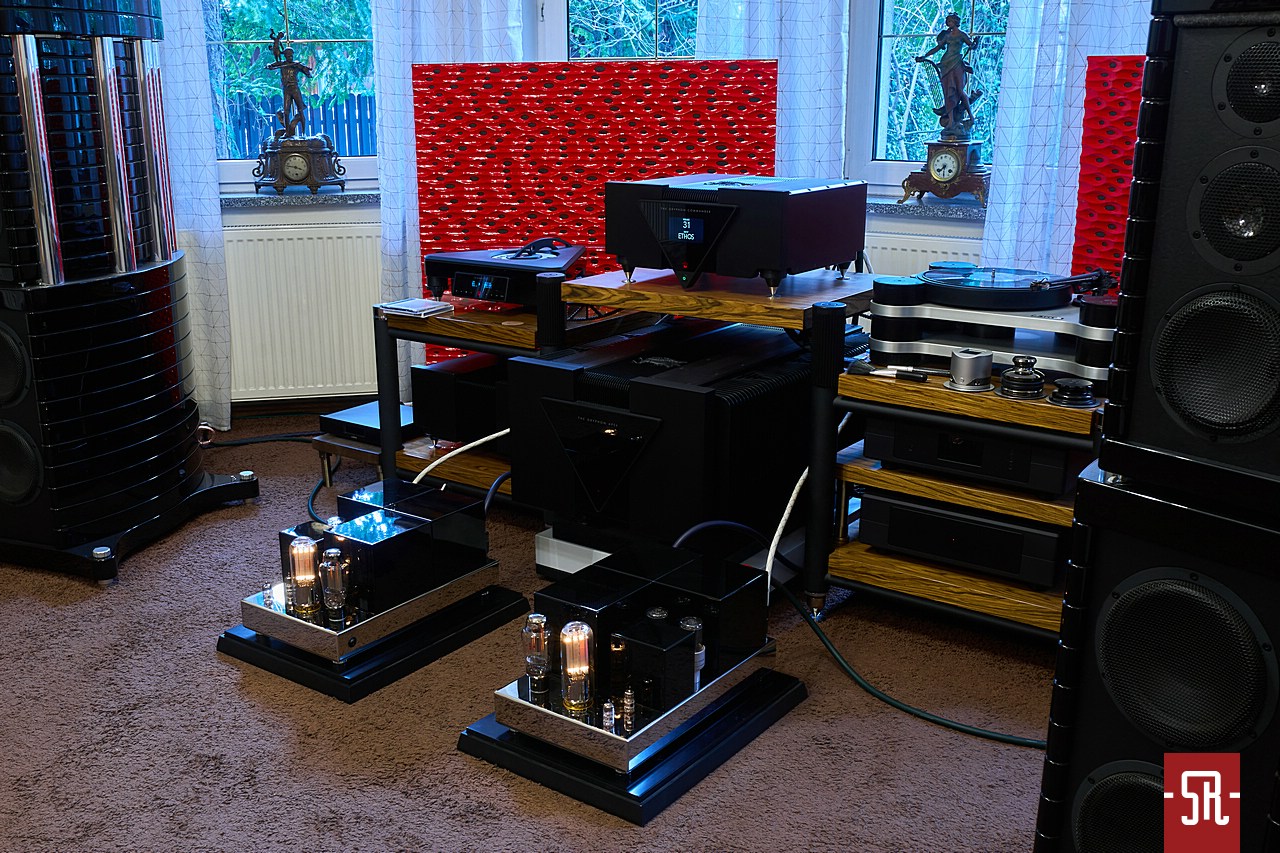
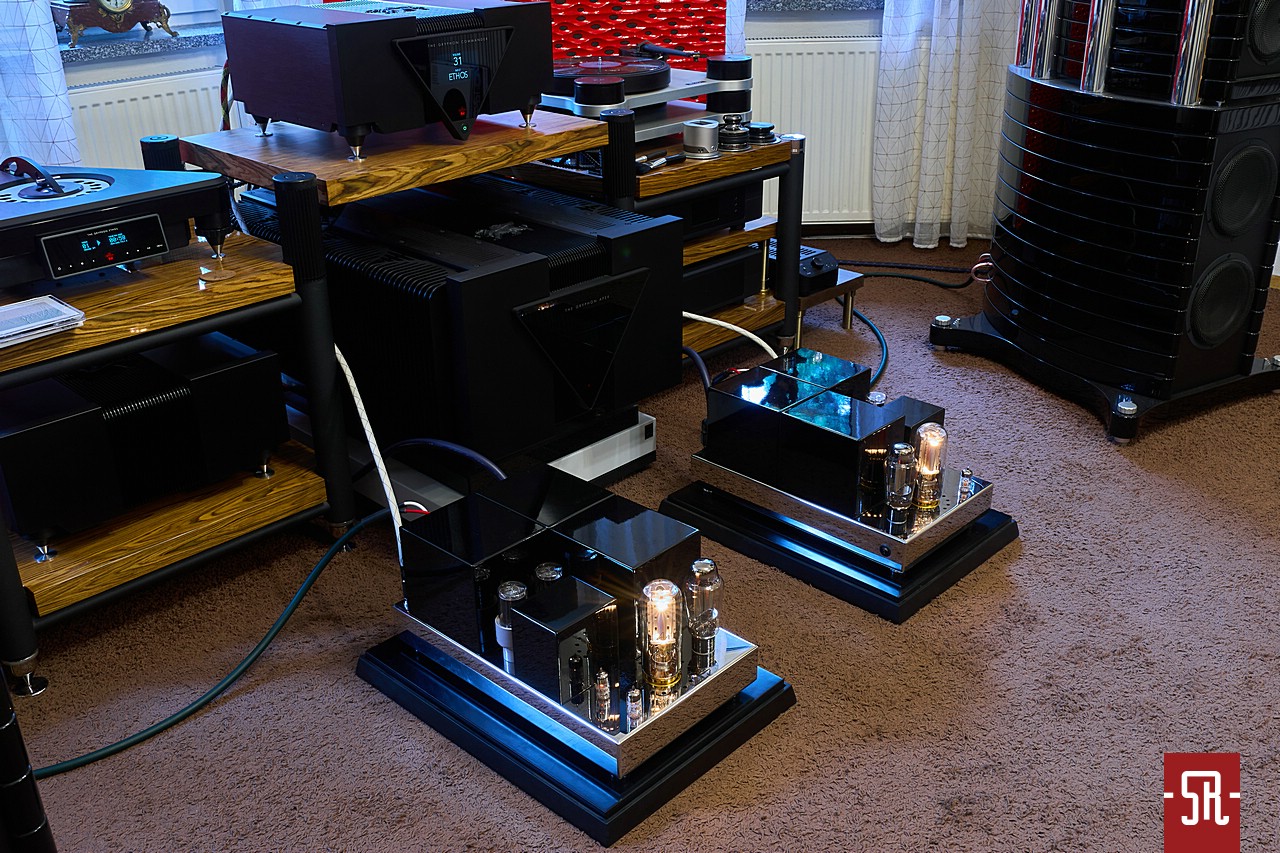
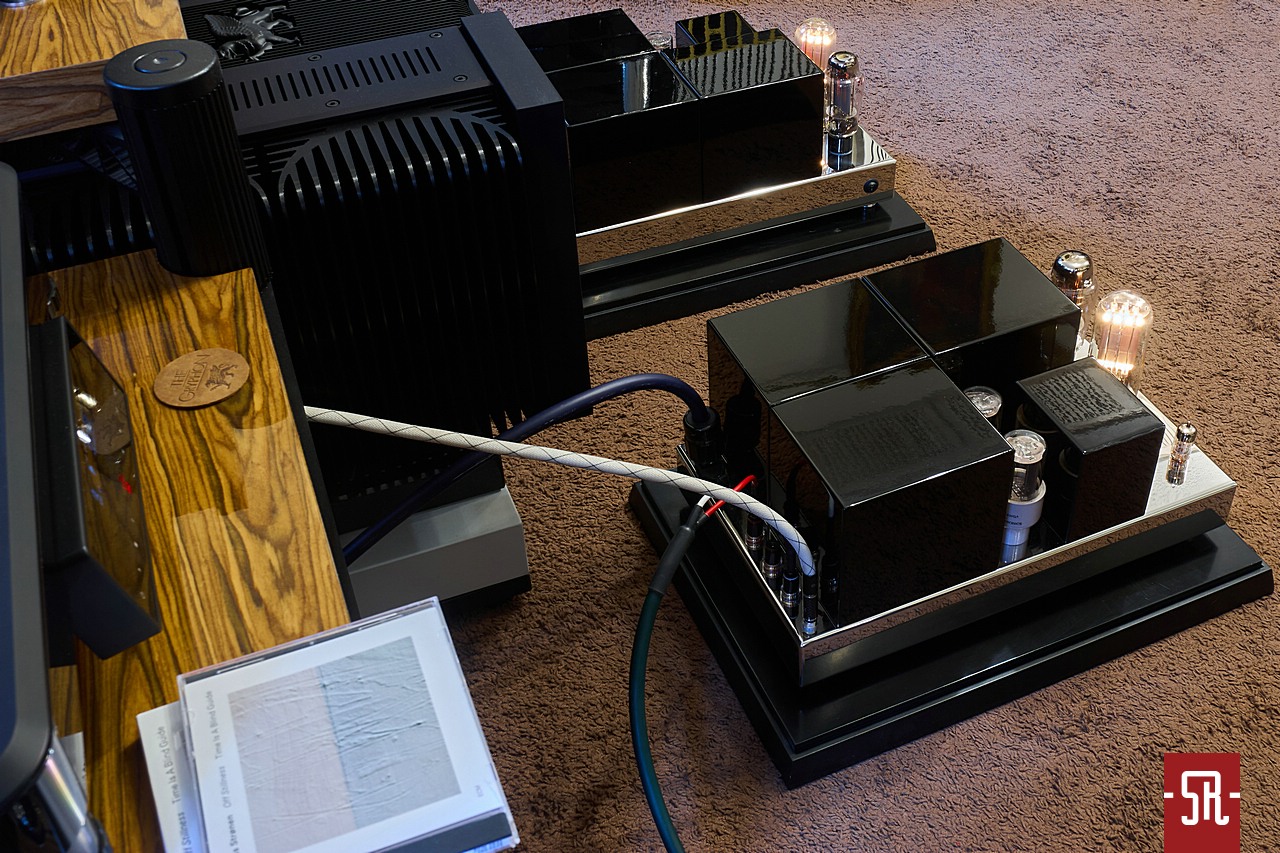
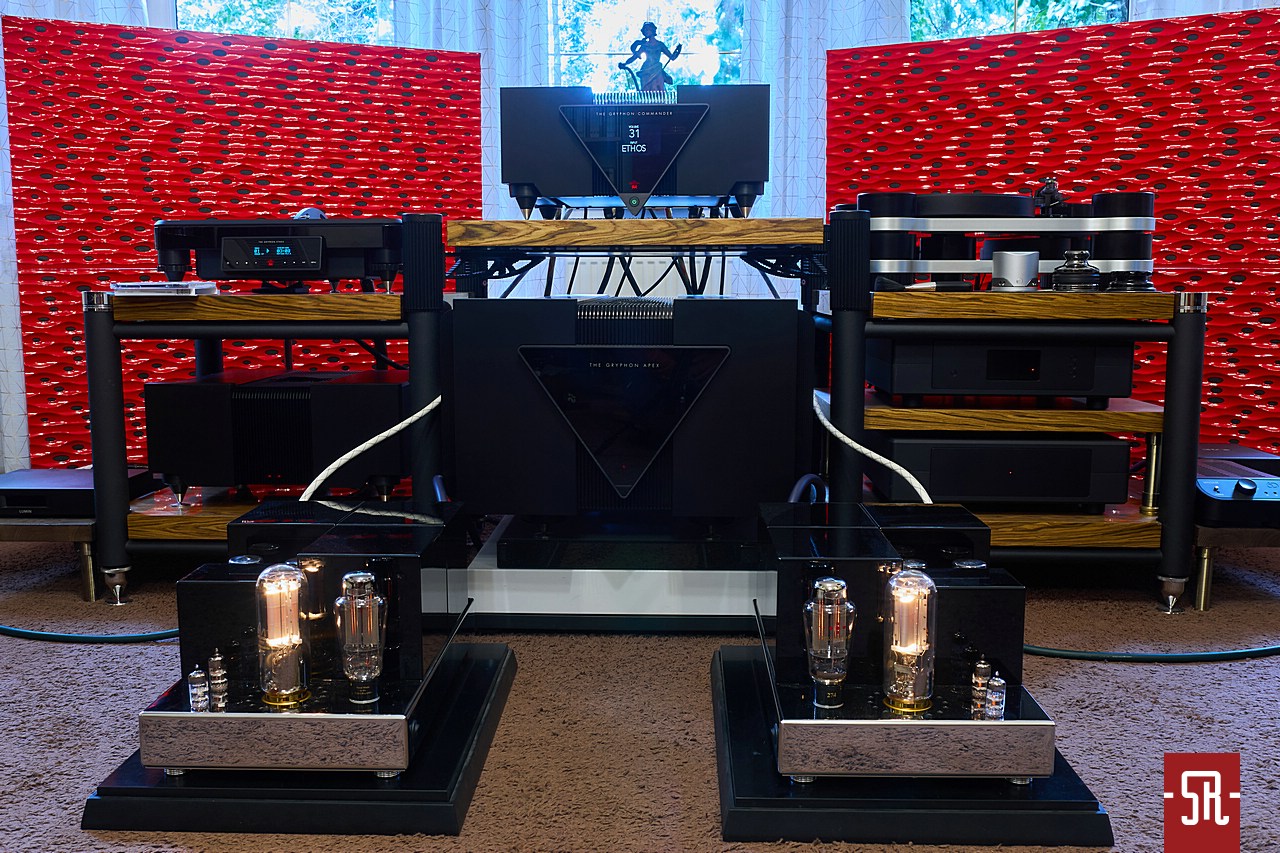
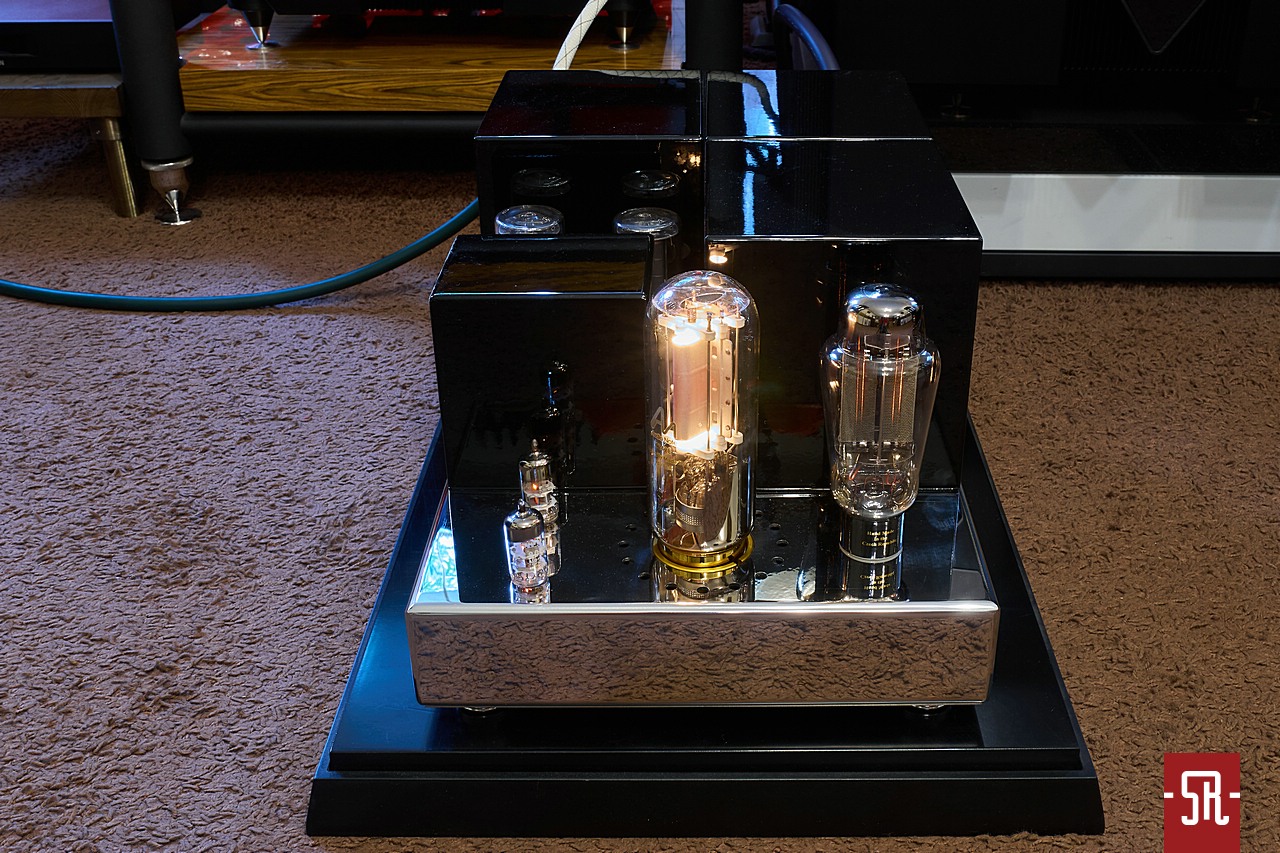
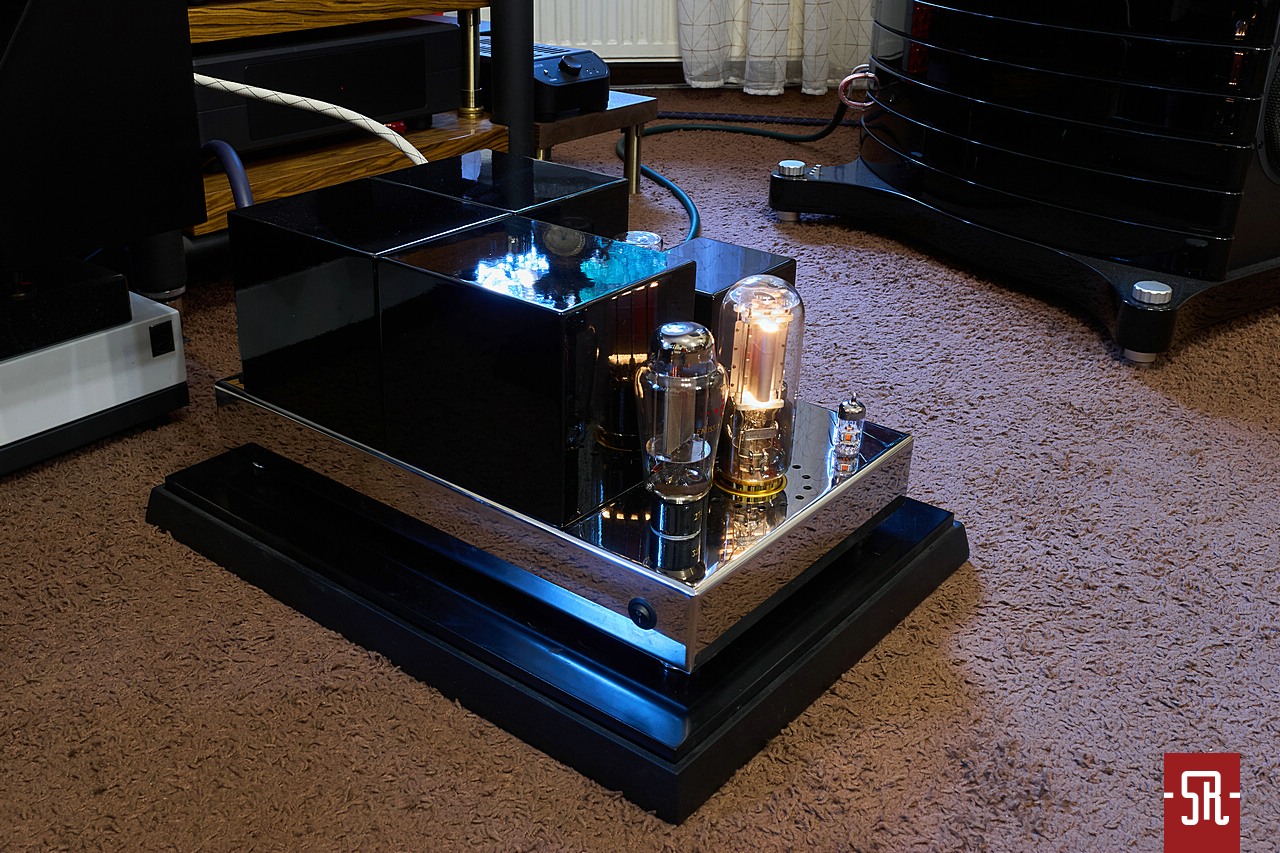
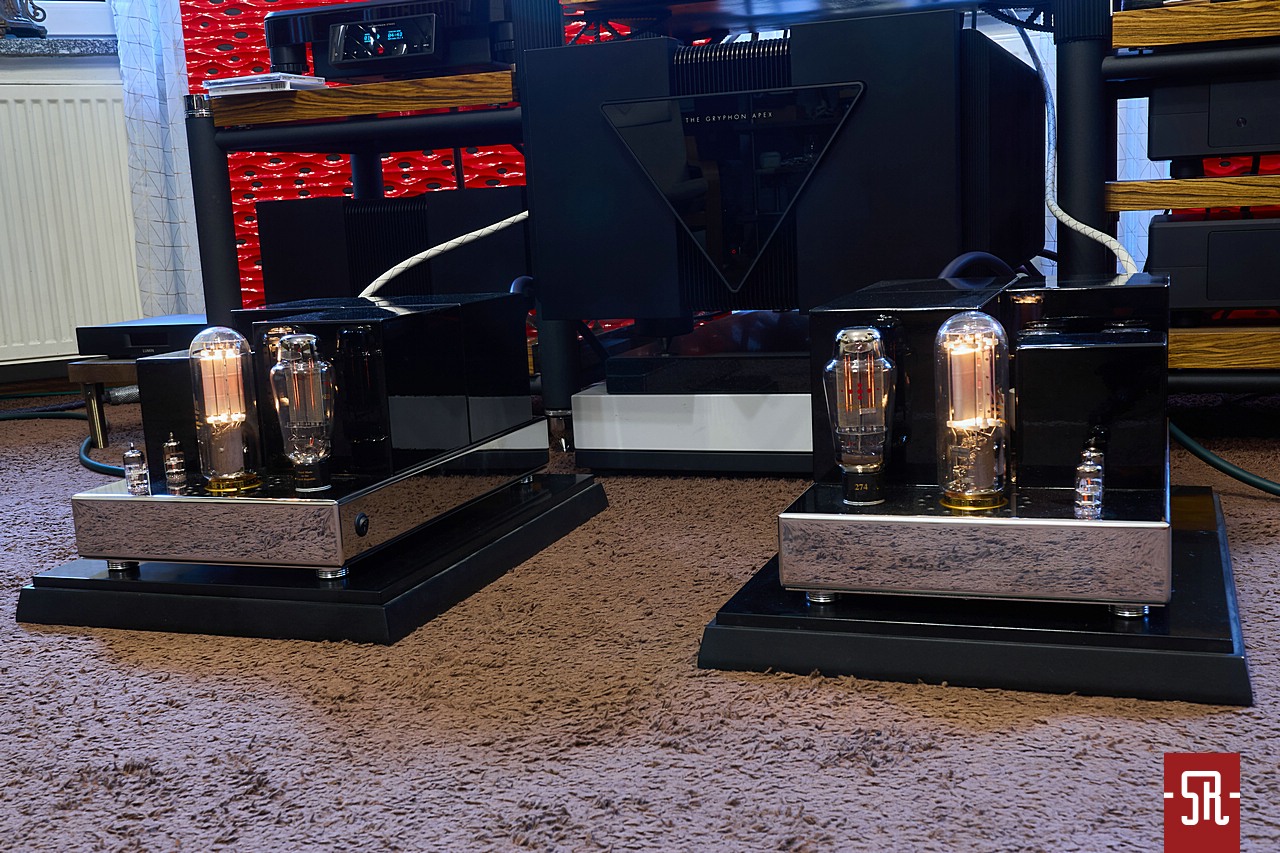
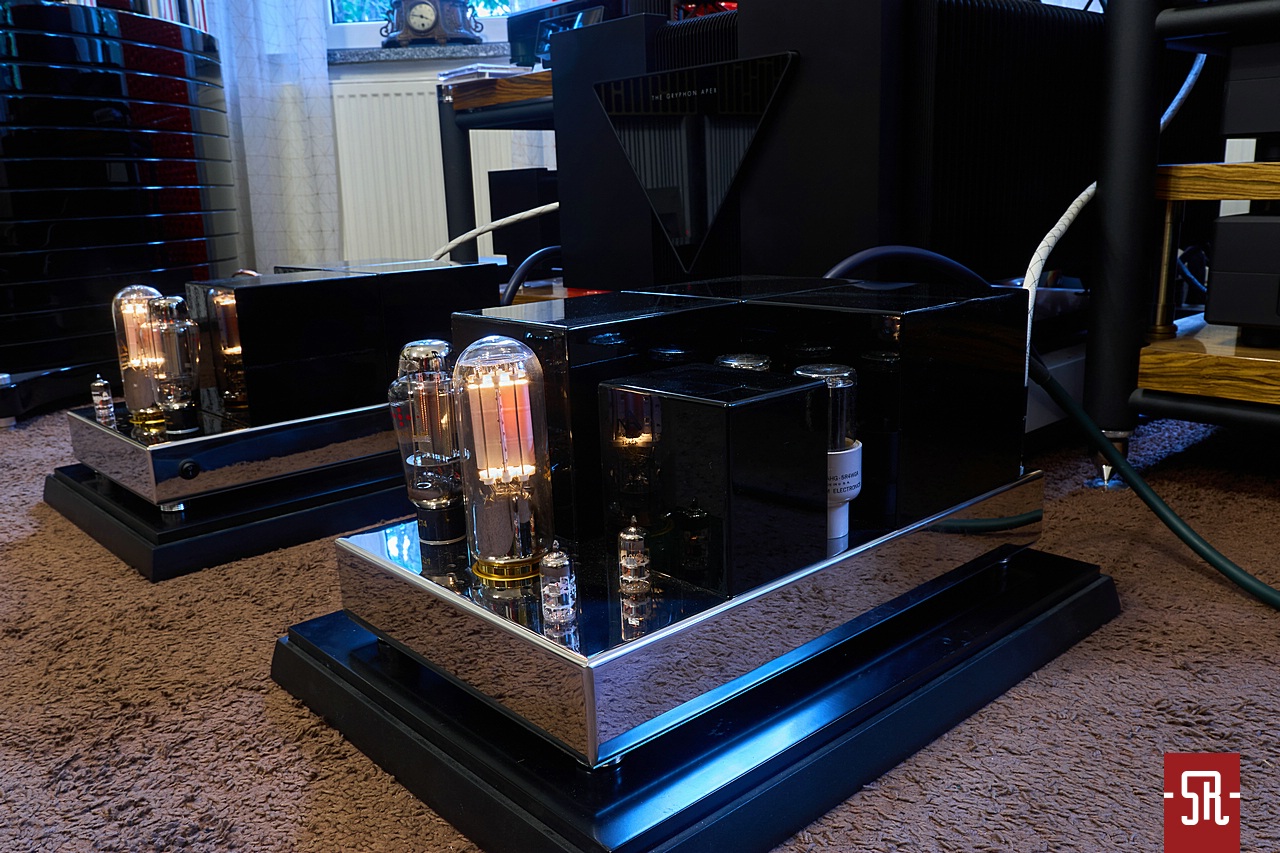
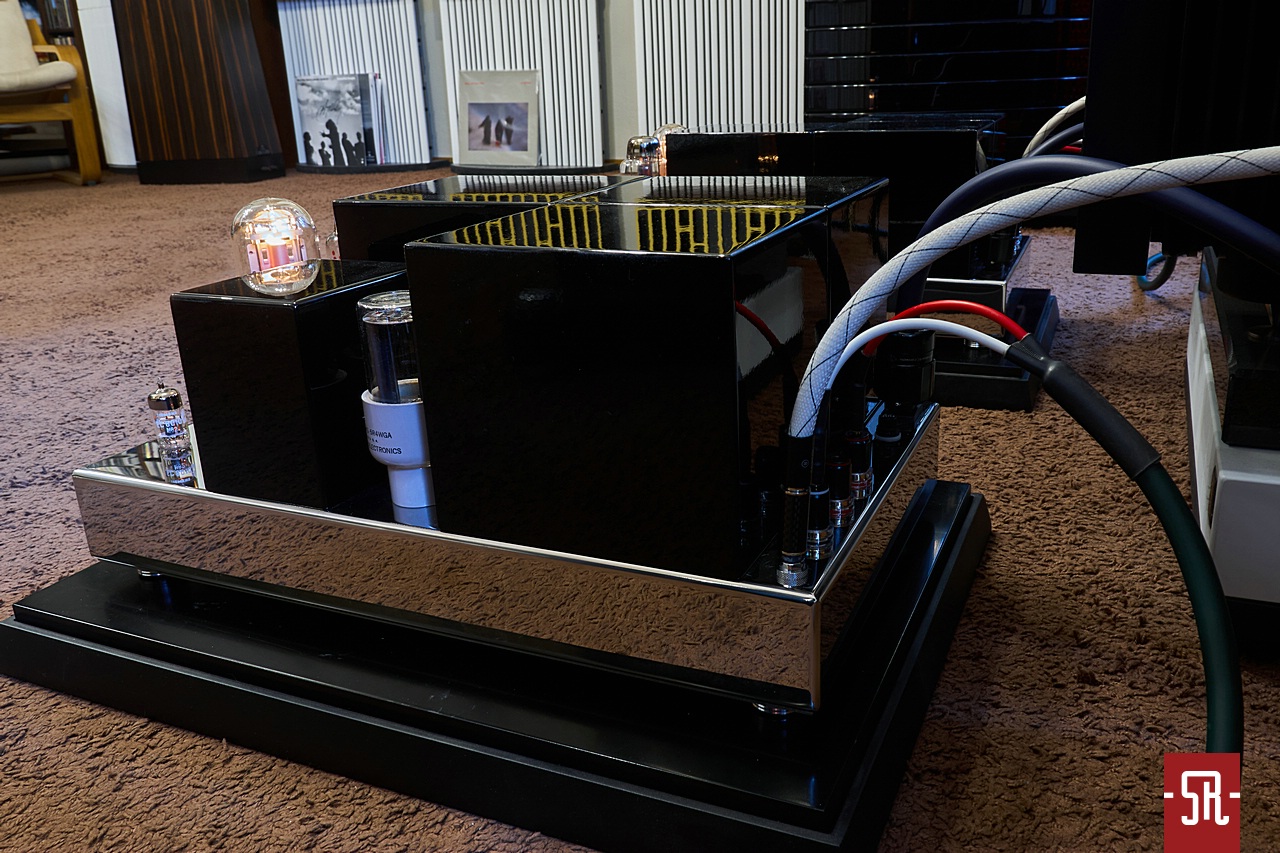
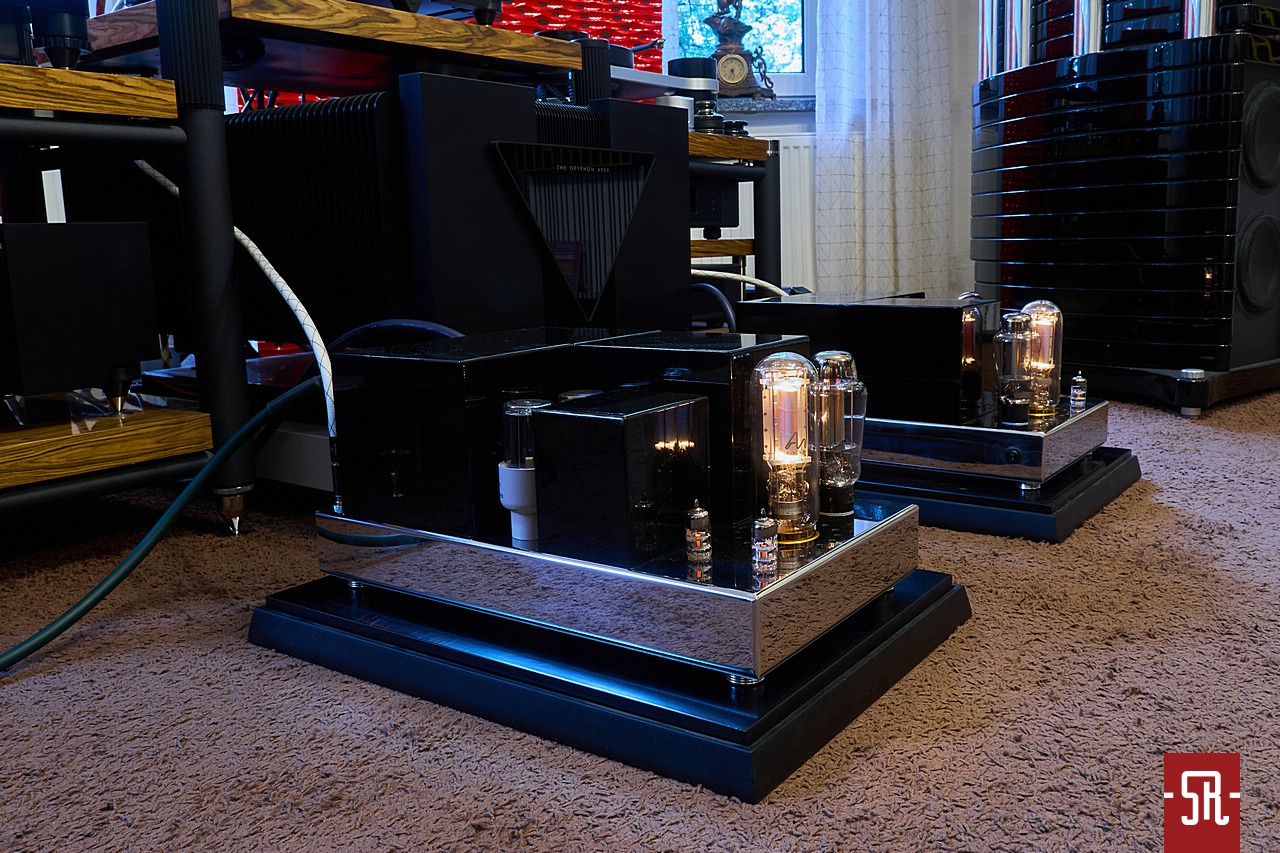
To describe the appearance of the amplifiers a little, I need to share some important basics first. First is, that the manufacturer used a typical, for this type of construction, chassis, consisting of a platform housing the electron tubes and the rectangular transformer cups, hiding the electric circuitry inside. Interestingly, when you compare these “catafalques” with those used in previously tested amplifier models, you will see slight changes in their finish. Previously, these cups were grey, finished quite roughly, as provided by the company manufacturing the transformers, and now, due to the head of Zikra not accepting their looks, the company changed them to a version which is rounder at the edges and varnished in glossy black. As for the layout of the elements used on the upper cover of the platforms, we have a set of control and power tubes at the front, and transformers staying behind them. An interesting fact is that both monoblocks were designed as a mirror image, which is the opposite of what the mainstream proposes, where due to the reduction in production costs both channels are exactly the same, and that approach gives the tested amplifiers an added effect of visual elegance. For many of you, this may be a cliché, but for people who love to take care of the aesthetics of their appearance, this approach is very important. As for the parameters, the most important is the output power, easily reaching 35W. This, in turn, knowing that Watts from a tube are “different” than those made by solid state amplifier, allows us to put forward a thesis, that the tested amplifiers are able to provide sufficient power for the vast majority of loudspeakers. As for other important technical data, due to the lack of so-called wishful thinking, which is not customary in the competition, I will only use a reliable description of the constructor’s achievements quoting the information provided by the distributor:
„Zikra Audio has used an extremely extensive and well-thought-out anode power supply operating at a voltage of up to 1200 V in its 211 monoblocks. The key element here is a multistage filtering circuit based on large chokes and a large bank of capacitors, which is used to maximize the smoothening of the power before it gets to the power tubes.
The manufacturer did not compromise here – the solution used allows to reduce residual interference to the level of only about 0.11 mV. In practice, this means an absolutely black background and no power hum. This is a result that not only goes beyond the standards of tube designs, but boldly touches the reference level.
Also noteworthy is the rectifier section, where two 5R4WGY rectifier tubes are connected in parallel. This lowers the internal impedance of the power supply and improves its current efficiency, which has a direct impact on voltage stability in dynamic moments of recording. In other words, the amplifier does not „pump” on pulses and retains full freedom even with very demanding material.
The whole is complemented by reliability-enhancing elements, such as a starting current limiting system, which is crucial for the durability of tubes and components at such high voltages and large capacities.
In listening, this translates into the silence of the background, from which the music emerges with exceptional clarity, as well as a sense of freedom and control, especially in terms of microdynamics.”
As you can see from the above text, the construction itself is interesting, so there is no need to dilute the text with additional descriptions, so let us move on to the description of its sound.
What can I say about the strongest amplification from Zikra Audio’s portfolio? Of course, first of all, I am obliged to mention that it consistently showed how the lower range should be reproduced. Very good attack, descent and control of its actions made the music sound coherent and appropriately aggressive. Yes aggressive, because the usual making life more pleasant by a tube, without a specific impact with a clear and strong impulse of the lower range, often causes a slight loss of elements that are so important for showing the artists’ intentions, to ensure an appropriate level of expression of their performance on stage. Admittedly, compared to the previously described models, the drawing of not only the bass itself, but also the perfectly legible virtual sources in the 211 was not as sharp, but it was the result of a general increase in the plasticity of the sound, and not a result of any problem. And what do I think about the rest of the sound components? As I mentioned, the sound was generally more fluid. All the time it served up a good attack and differentiation of the energy of the recordings, but the main idea was a greater share of smoothness. However, I am not really sure if it was entirely how the music was presented by the amplifiers, or a result of a marriage with a solid-state preamplifier, and not a tube, or even better, a company preamplifier. Why am I mentioning this? Of course, because I know the sound of the company preamplifier, based on the test I did. That preamplifier was the first device of this brand hosted by me, and it clearly showed that the bass for Zikra is an extremely important element of the presentation, and therefore is appropriately solidly articulated. And in case of a rather expressive solid state power amplifier, the sound does not have to be so expressive. However, apart from considerations about the line preamplfier used, one thing is certain, the 211 Nano X Core Silver Wired has consistently followed the path of showing the world of music seething with emotions. Of course, not its full spectrum in the sense of taking on high-performance electronic works, which are quite a challenge for every tube, but well-realized rock or free-jazz were a so-called piece of cake for the tested device. It reproduced the reality of a given musical material so well that the system configured in the test perfectly showed not only the full spectrum of the virtual stage in every dimension with the appropriate height of suspension of virtual sources, but also a realistically tangible image of them in 3D space.
As far as the clash of my conclusions with real music is concerned, the described skills of the tested monoblocks are very well evidenced, for example, by the sacral music performed by Jan Garbarek with the vocal formation of The Hillard Ensemble in the form of the album „Officium”. It is a session recorded live and in a large monastery, which, when your stereo system fails to cope with the proper location of stage entities, their legibility and the diversity of the energy used by each one – of course, including those being a response to the omnipresent echo – colloquially speaking, dies. In order not to experience such a failure, firstly, the projection of this work, taking into account the sound sources used in it, must of course be shown with appropriate plasticity. Secondly, it must be filling the room hosting the musicians freely. And thirdly, with a good definition of attack, transparency and tightening of individual phrases. As you can guess, our hero had not the slightest problem with the implementation of all the points mentioned by me. I will even say more. Compared to the more expressive edges of sound from the previously tested simpler constructions, the plasticity mentioned at the very beginning of the description of this amplifier, turned out to be a great way to show how the bar for the quality of the presentation was raised. And to be honest, at the very beginning, when I heard this style of playing of the Zikra flagship, I was a little scared, and what I finally got was a positive Zonk.
But what about heavier playing? As I pointed out, electronics using artificial sounds at the level of 20 Hz may not have been bad, but should rather be played by powerful transistor gear. But even Rammstein on the album „Zeit”, or AC/DC with my favorite album „Highway To Hell” sounded at the level of expression required by me. And it is expression in the sense of the amount of energy, its differentiation and descent into the lower octaves used by the instruments. The visualization of these trends was so emotionally engaging that the initially perceptible slight embellishment of the music with smoothness, as if by magic, disappeared into non-existence in one second. And I would even say that in most cases it was a drug that improves the reception of music. It does not determine the full spectrum of the reproduced music, but gives specific phrases an aesthetics presentation appropriate for a given repertoire, something, which is not so obvious.
To whom would I recommend the eponymous tube duo from Denmark? I will express my opinion in two versions. The first one will be an unconditional encouragement to all music lovers who love music with a capital „M”. The Zikra Audio set will provide you with a smooth sound supported by the right momentum and controlled energy, which will allow you to immerse yourself without restrictions in the vast majority of music. And not because it will always be cuddly, but because the set will be able to show a given material in the aesthetics of expressiveness reserved for it. In the case of using a line preamplifier from a different manufacturer, with a hint of fluidity, but always with a breath of joy, like in my system. On the other hand, the second, unfortunately only just announced in e-mail contacts with the manufacturer, version of the monoblock recommendation will be the assumption of an even better performance of the amplifiers with a split preamplifier tailored to support them at the level of company design, as befits an extreme High End. I have explained the reason for this turn of events in the text. So if you are seriously interested in acquiring the aforementioned power amplifiers, and they were already satisfying in the configuration with the line pre you already own, you should listen to them in the company’s setup once it becomes available. Following the on-screen truth from the movie „Boys Don’t Cry”, of course, I will not cut my hand off for the result of such a marriage, but without the slightest problem I will bet a box of pears against a box of apples, that the Zikra Audio set, colloquially speaking, will cook you. I have no idea what you will do, but I know that I will take advantage of the manufacturer’s proposal and for my own experience I will be happy to listen to his idea of amplifying the audio signal from beginning to end. Time will tell how it will be. However, one thing is certain, it will happen. I just hope that it will not be so good that I will have to purchase such a set as a stepping stone from the everyday solid-state amplification I have. And not because it is demanding on the wallet, but simply because I would have a problem with finding a place for another extensive amplifier set, because the rest of the aspects related to its purchase would only be a celebration of the full joy of listening to music.
Jacek Pazio
Opinion 2
Although for the general population, global corporations are behind all kinds of devices that play music, for a tiny amount of at most a few tenths of % of homo sapiens infected with audiophilia nervosa, the area of search for specialized equipment are small, very often one-person manufactories. Entities run by true enthusiasts, for whom sales volumes, conquering new markets, or subordinating their own creativity to simple Excel calculations do not matter. For obvious reasons, resulting from physical limitations of processing capacity, their catalogs contain only a few, at most a dozen models, usually not so much available immediately, but made to individual order submitted after listening to demonstration copies. Is this strange? It is possible, although rather for the generation of the youngest consumers, who are used to spontaneously clicking on global sales platforms that guarantee instant delivery, but for recipients who are aware of the essence of „handicraft” and the strictly artisanal pace of work, it is rather a time to strengthen relations with the manufacturer itself or its local representative, and at the same time to build awareness of getting out of the shadow of mass anonymity. I assume, and based on empirically gained experience, I consider this assumption to be close to certainty, that such purchasing decisions are not the work of chance and the result of an unreflective, buffered with the possibility of free return, clicking „buy now”. In such cases patiently waiting for your unit, you can always ask about the nuances that bother you, and a certain customization is in such cases not unusual. And it is from the circle of such micro-manufacturers that we once again have the pleasure to welcome the Danish brand Zikra Audio to our modest doorstep, thanks to the top monoblocks 211 Nano X Core Silver Wired in the High Gain version.
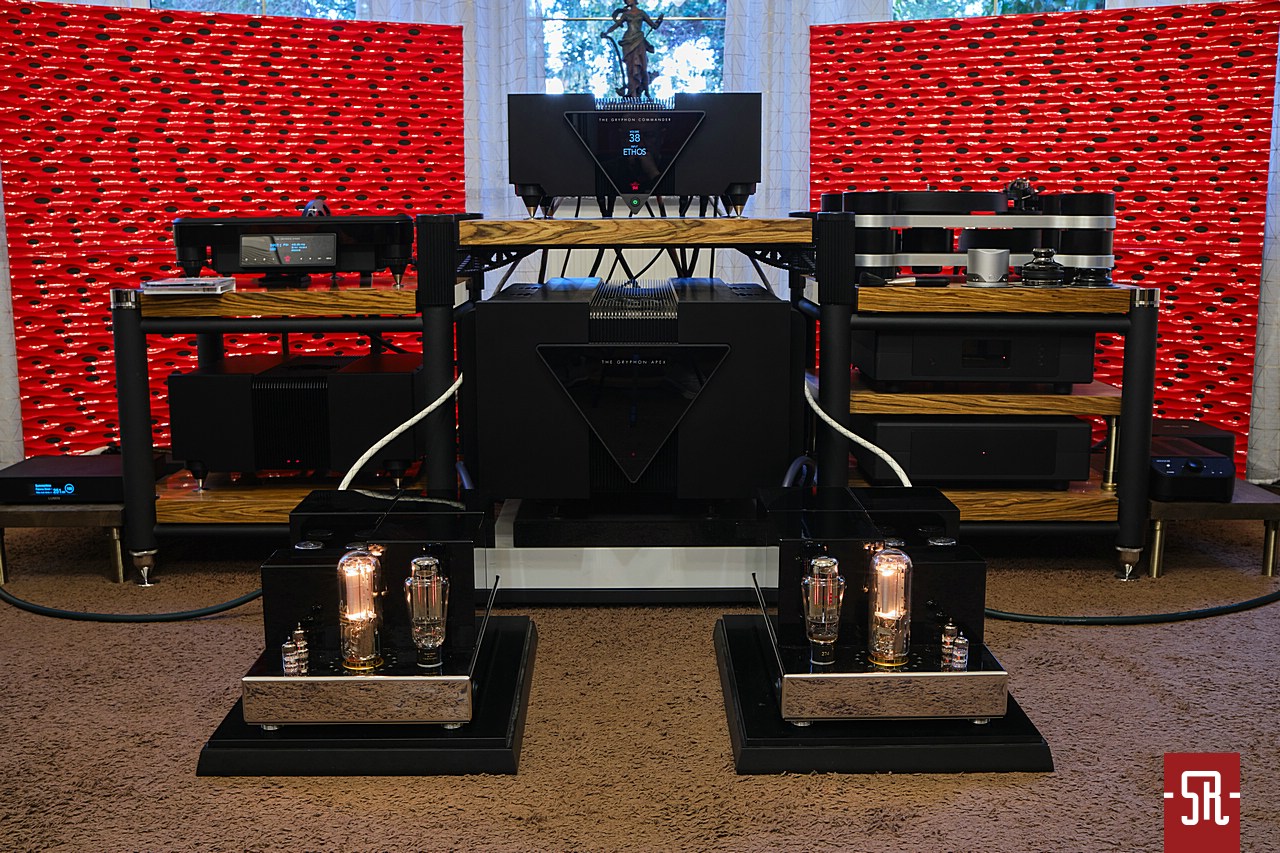

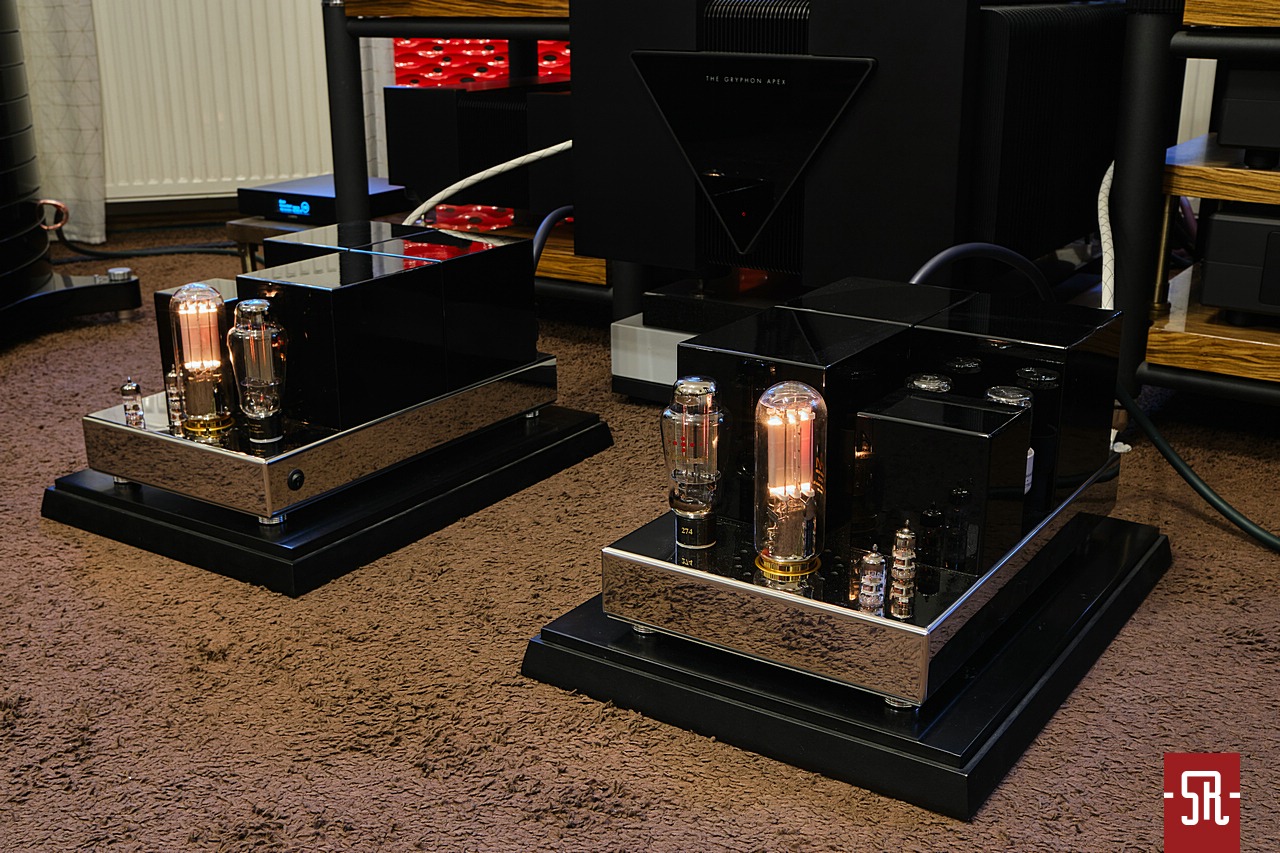
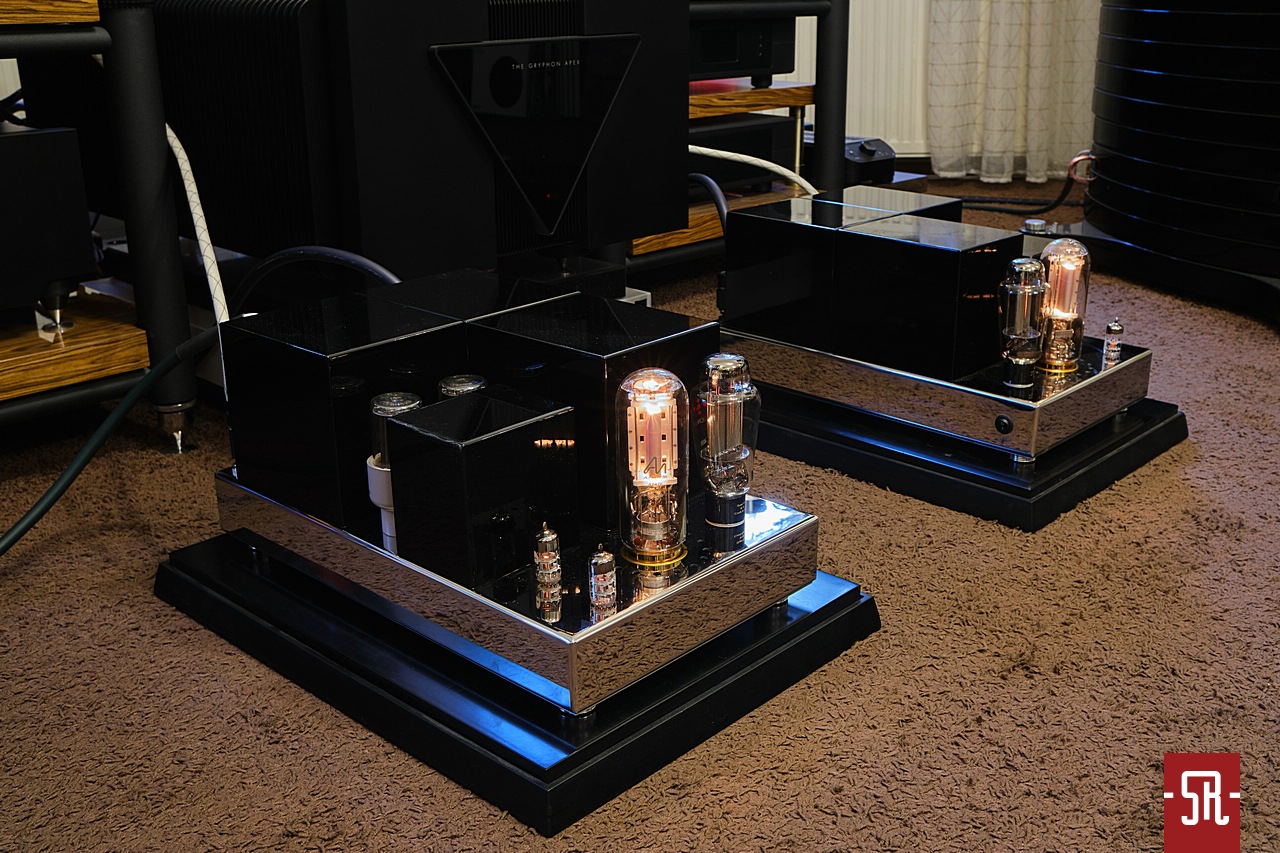

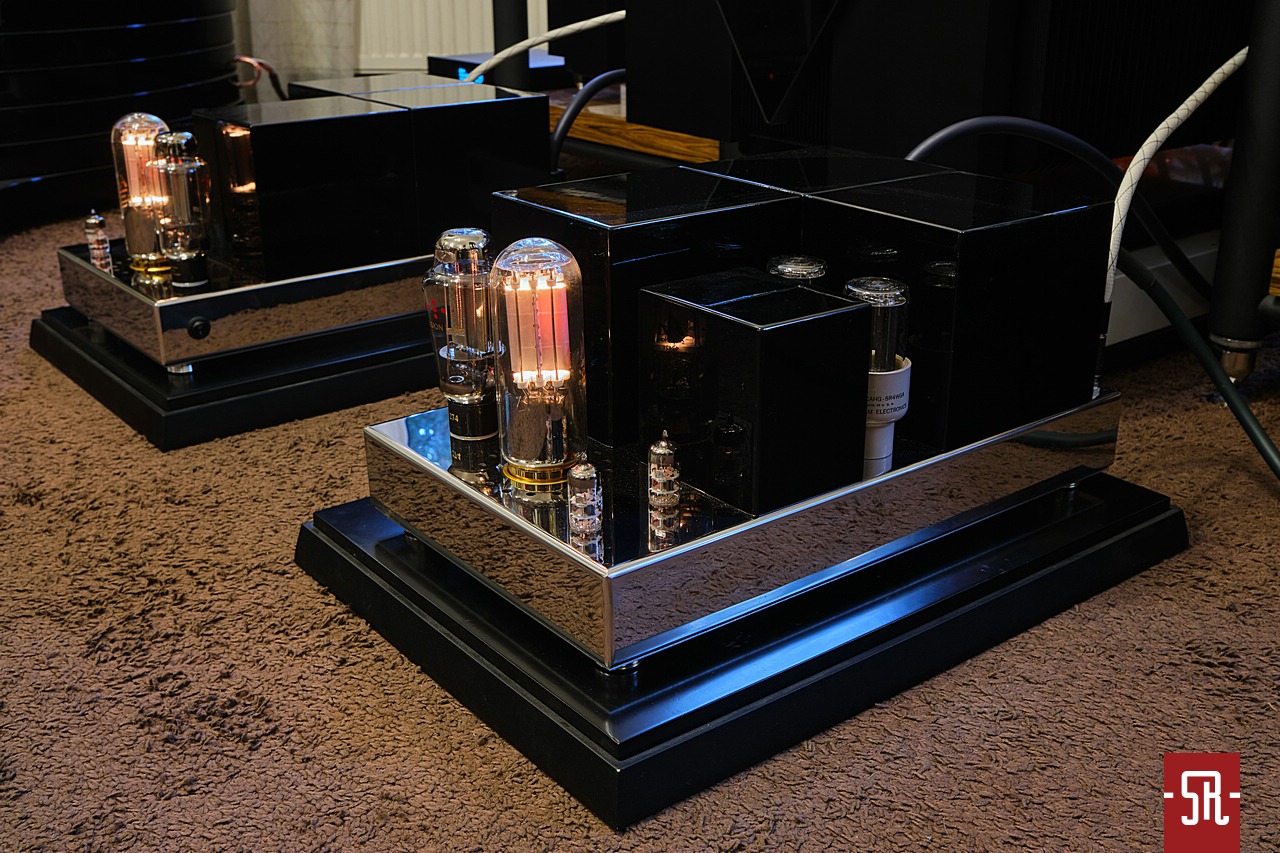
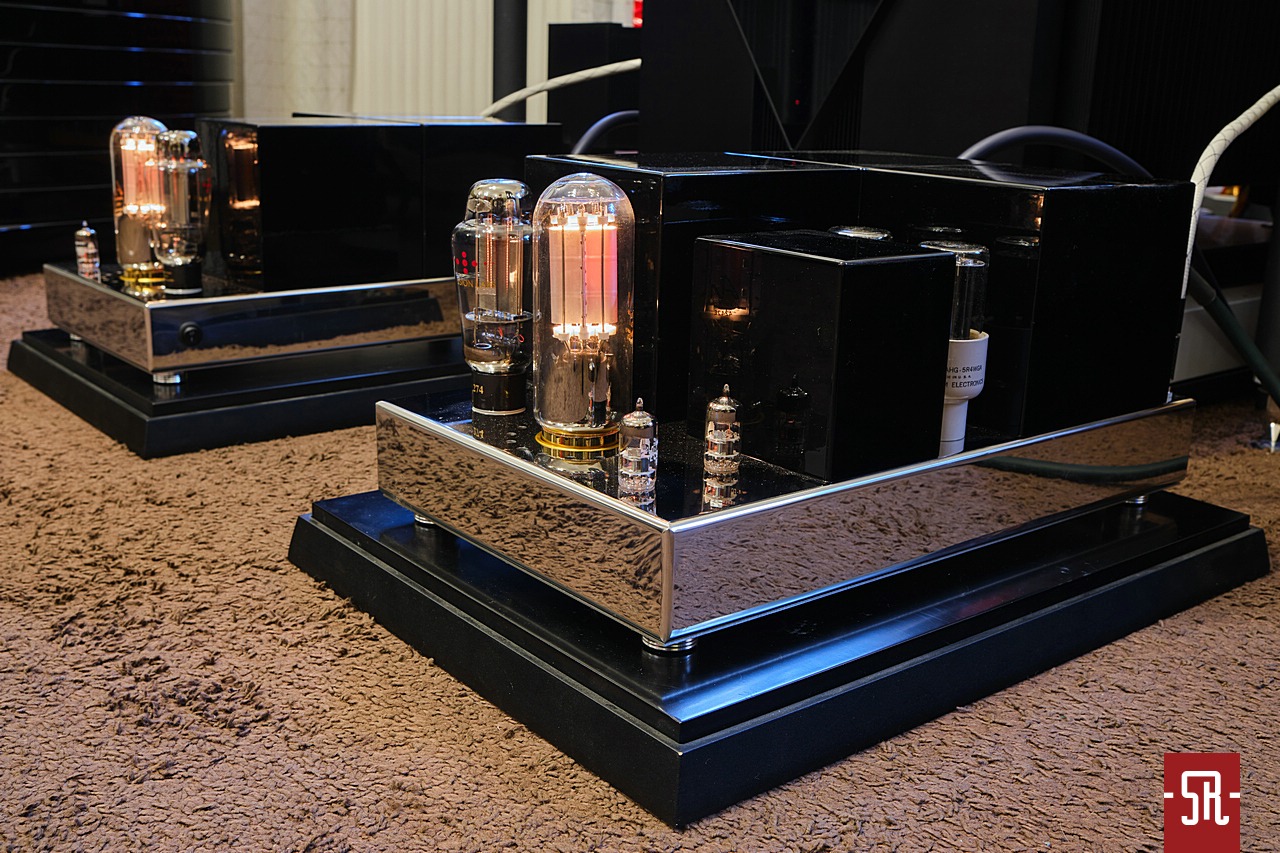
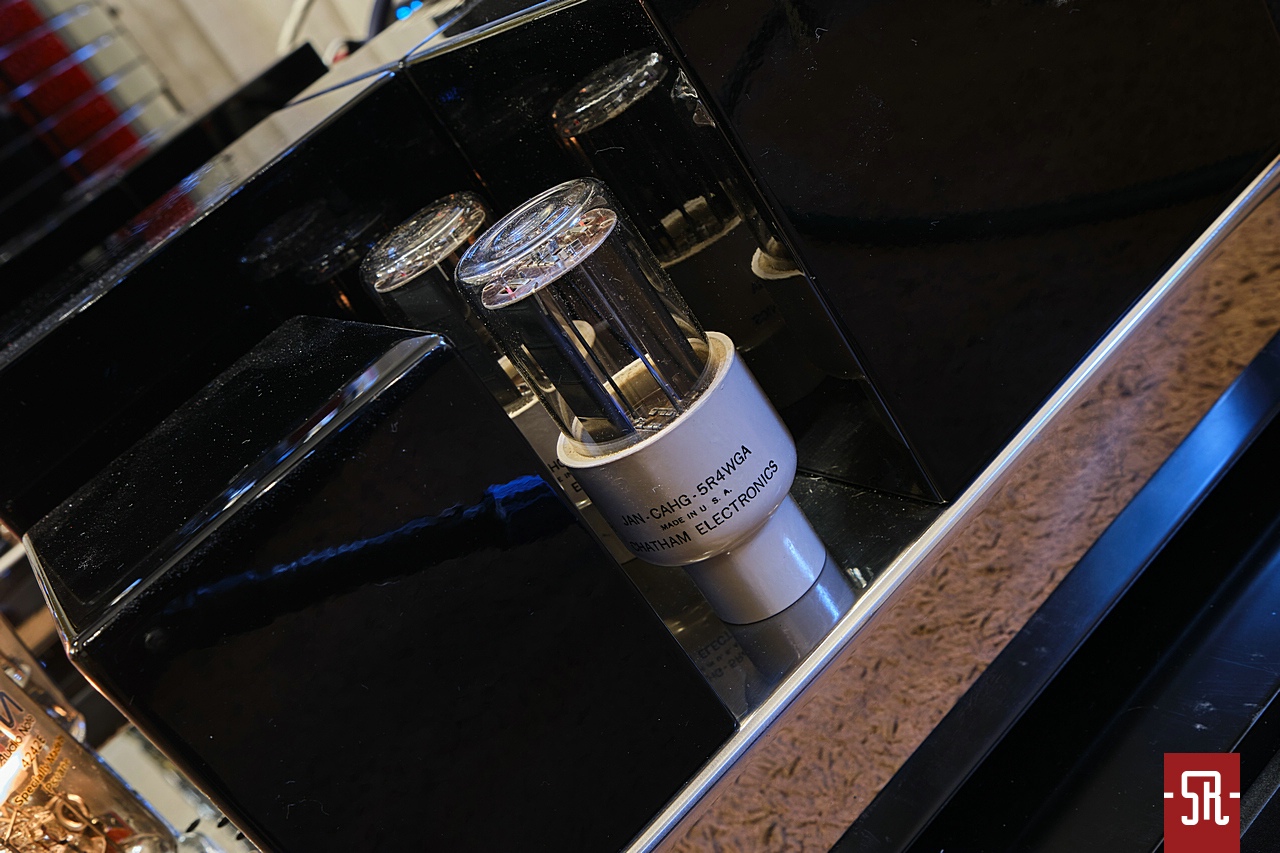
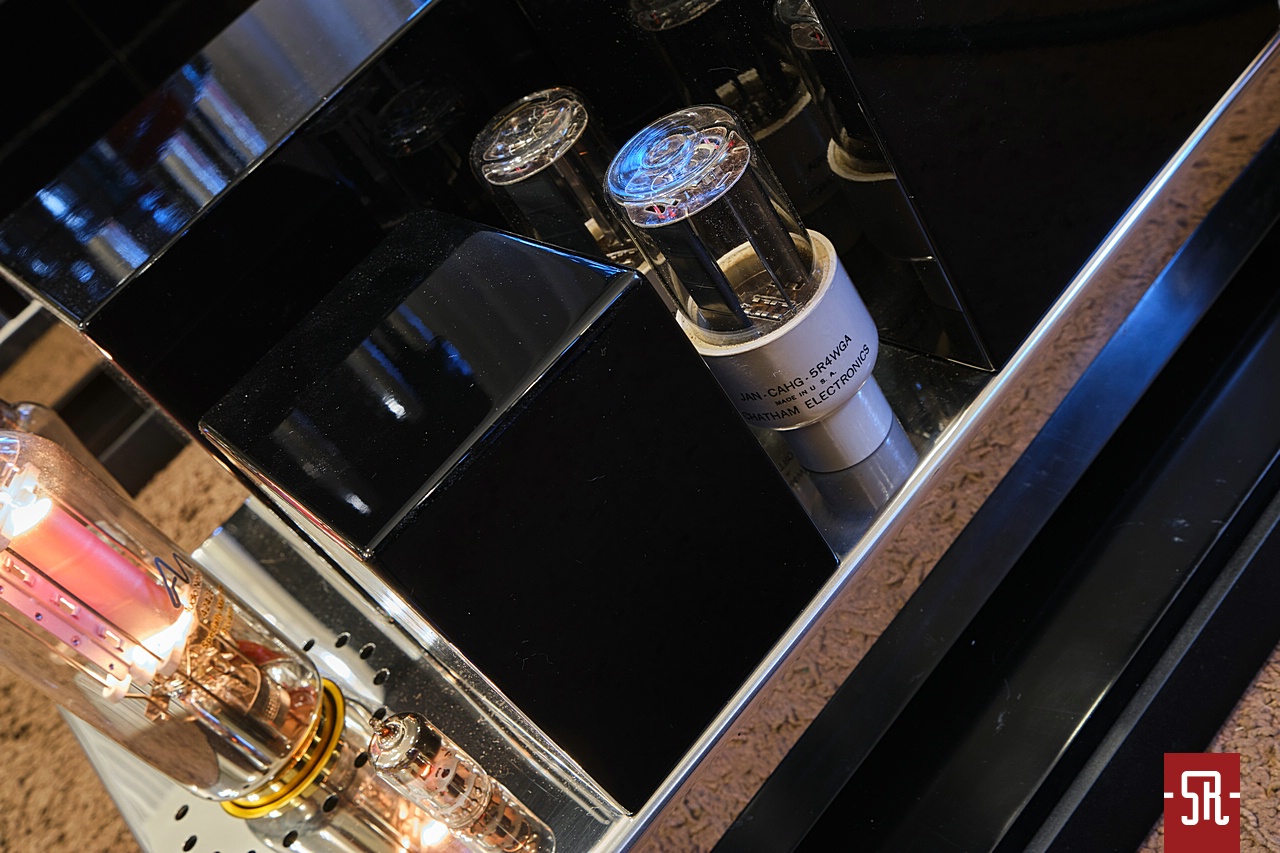
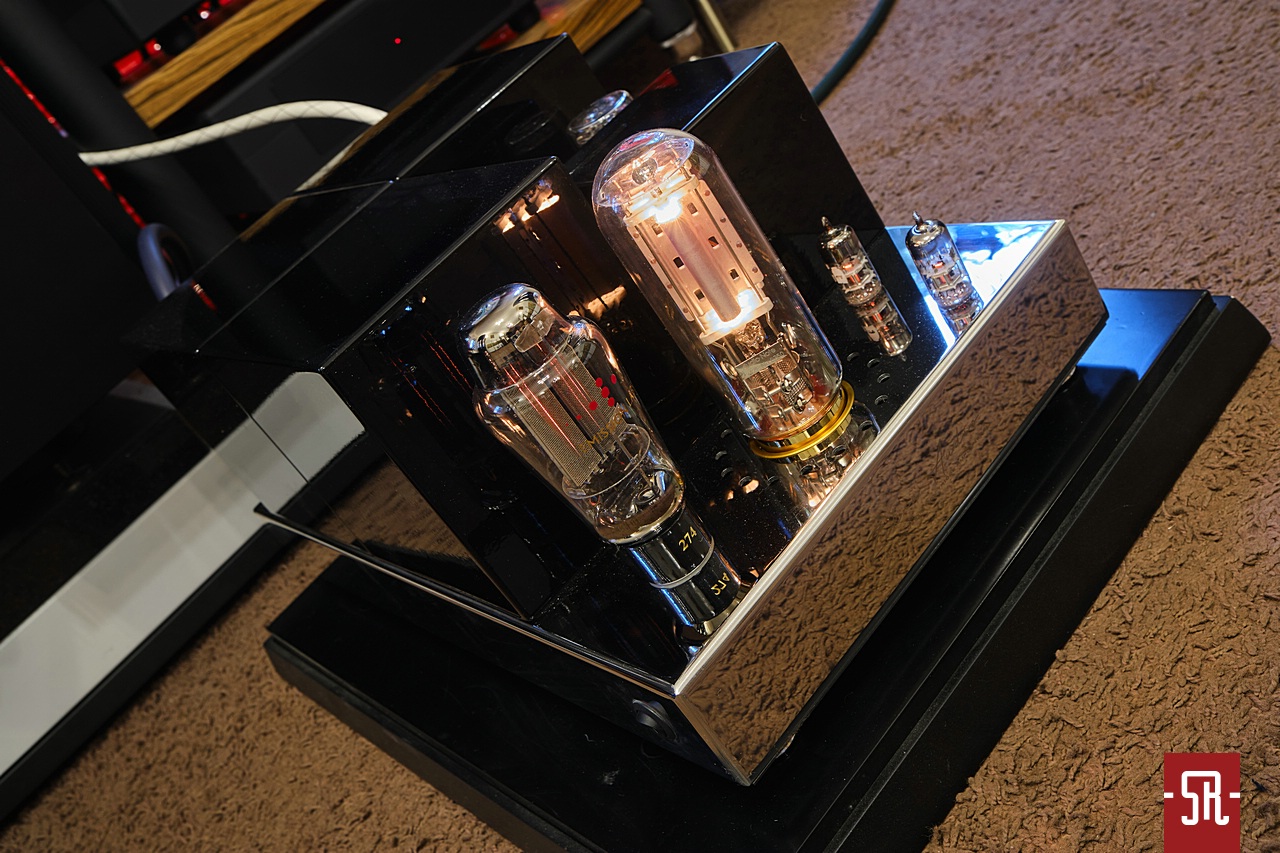

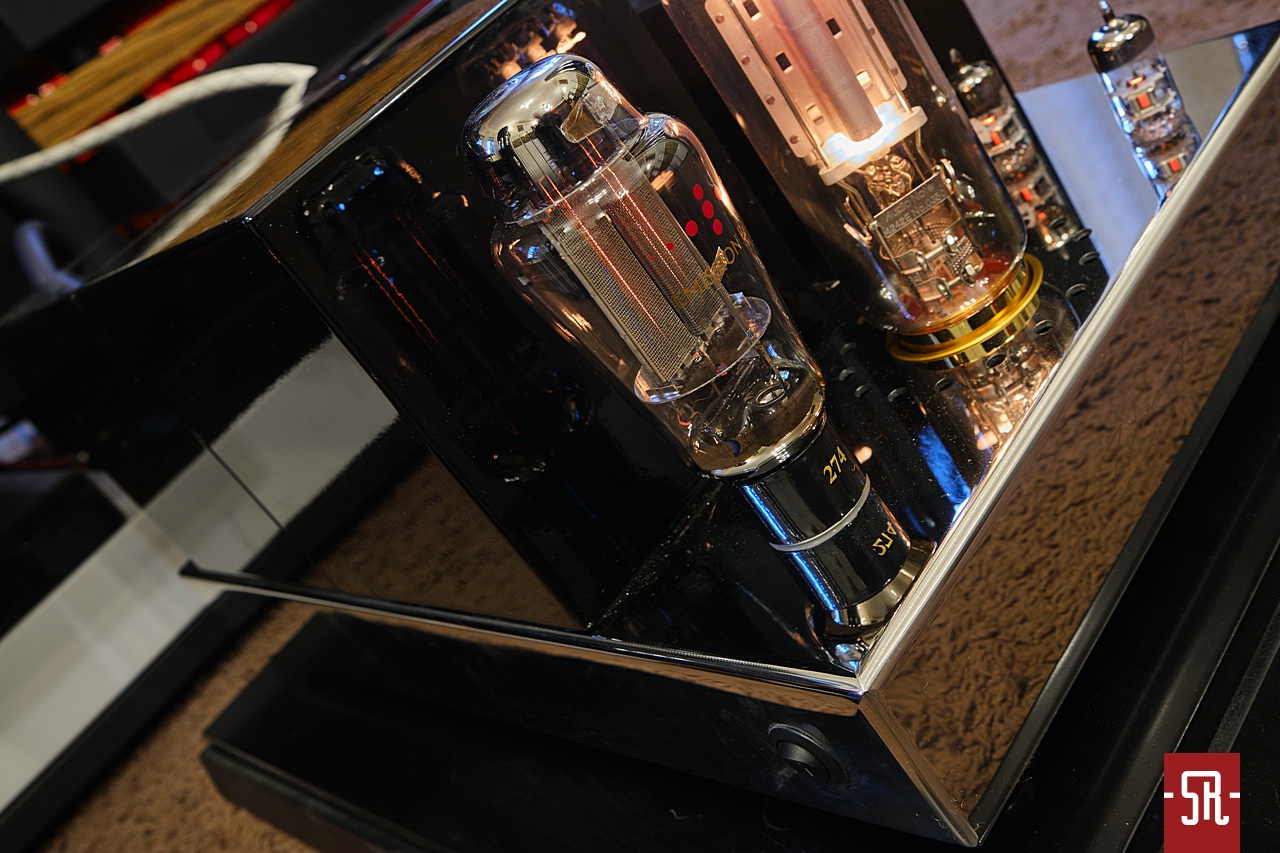
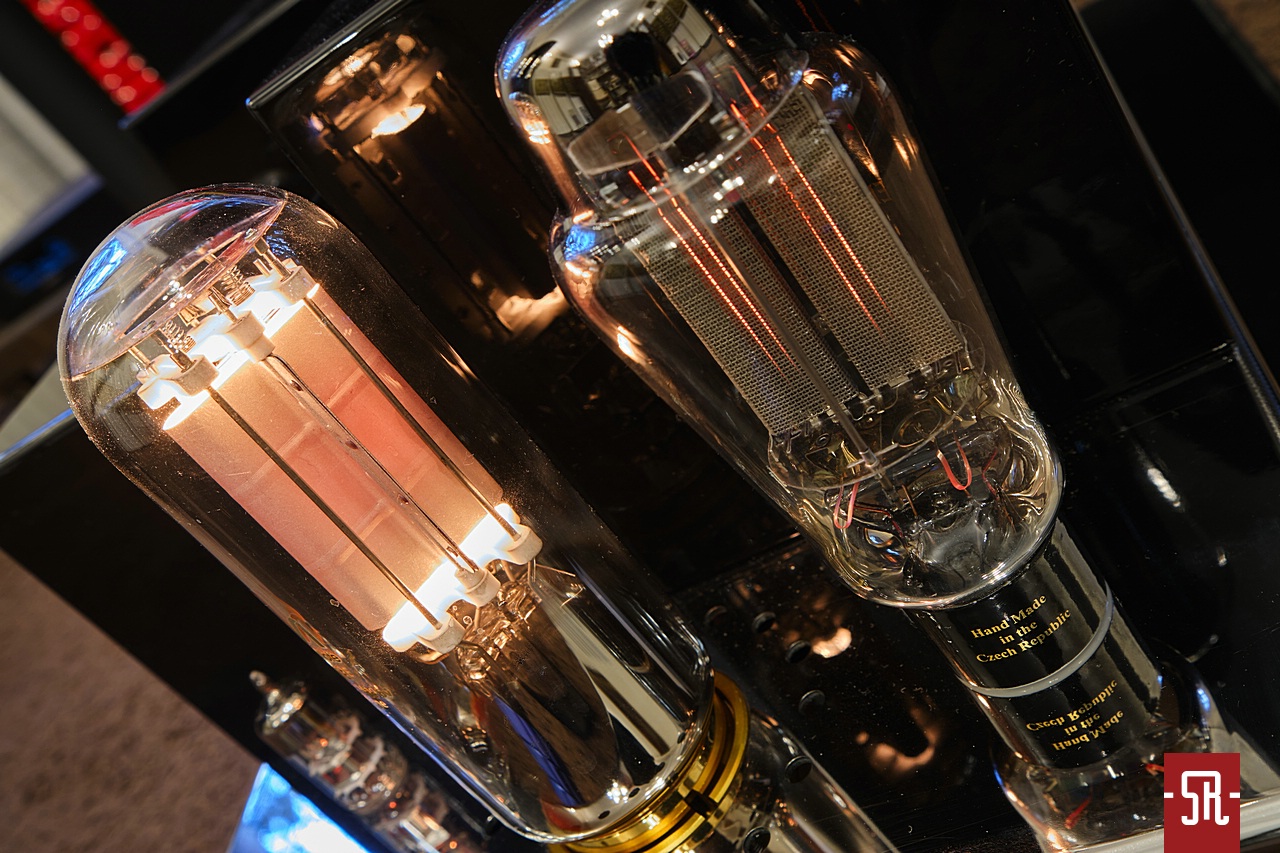

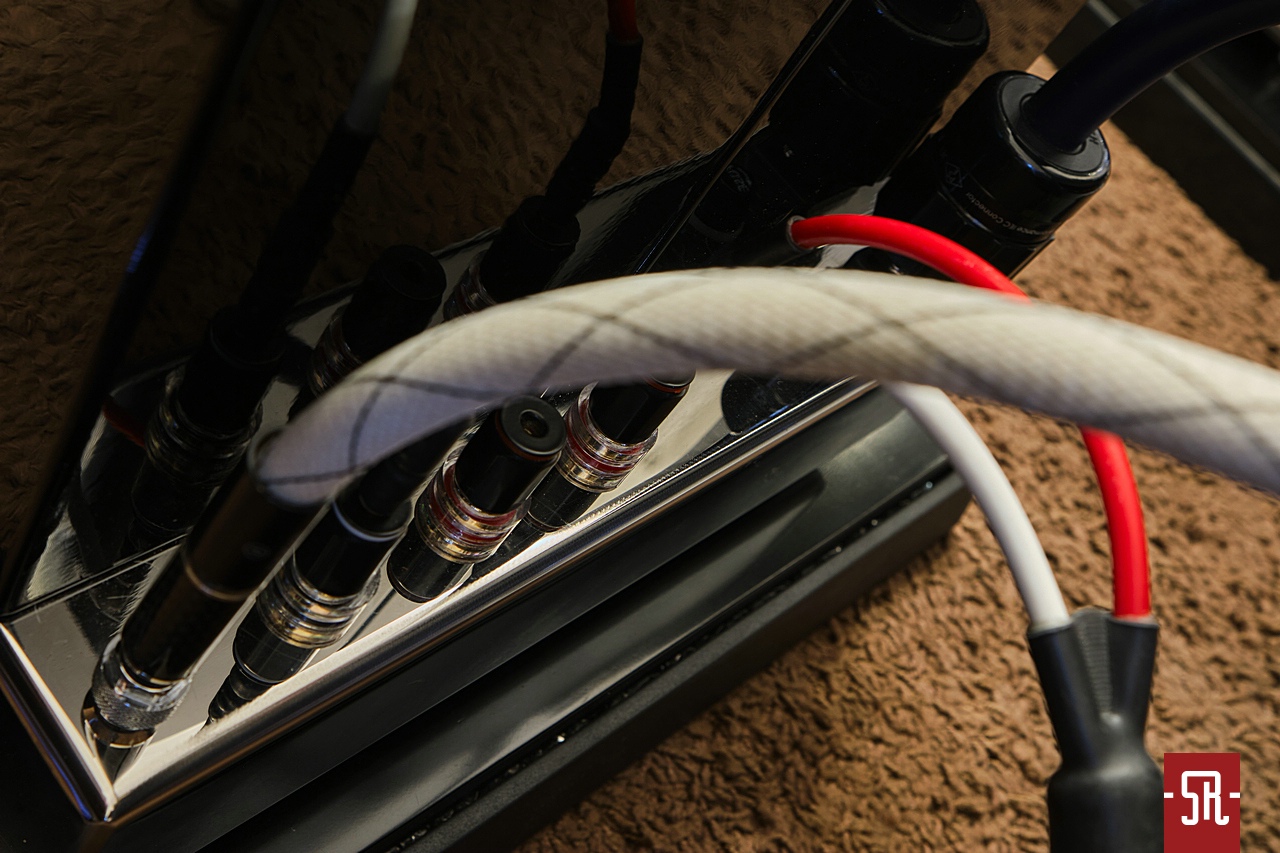
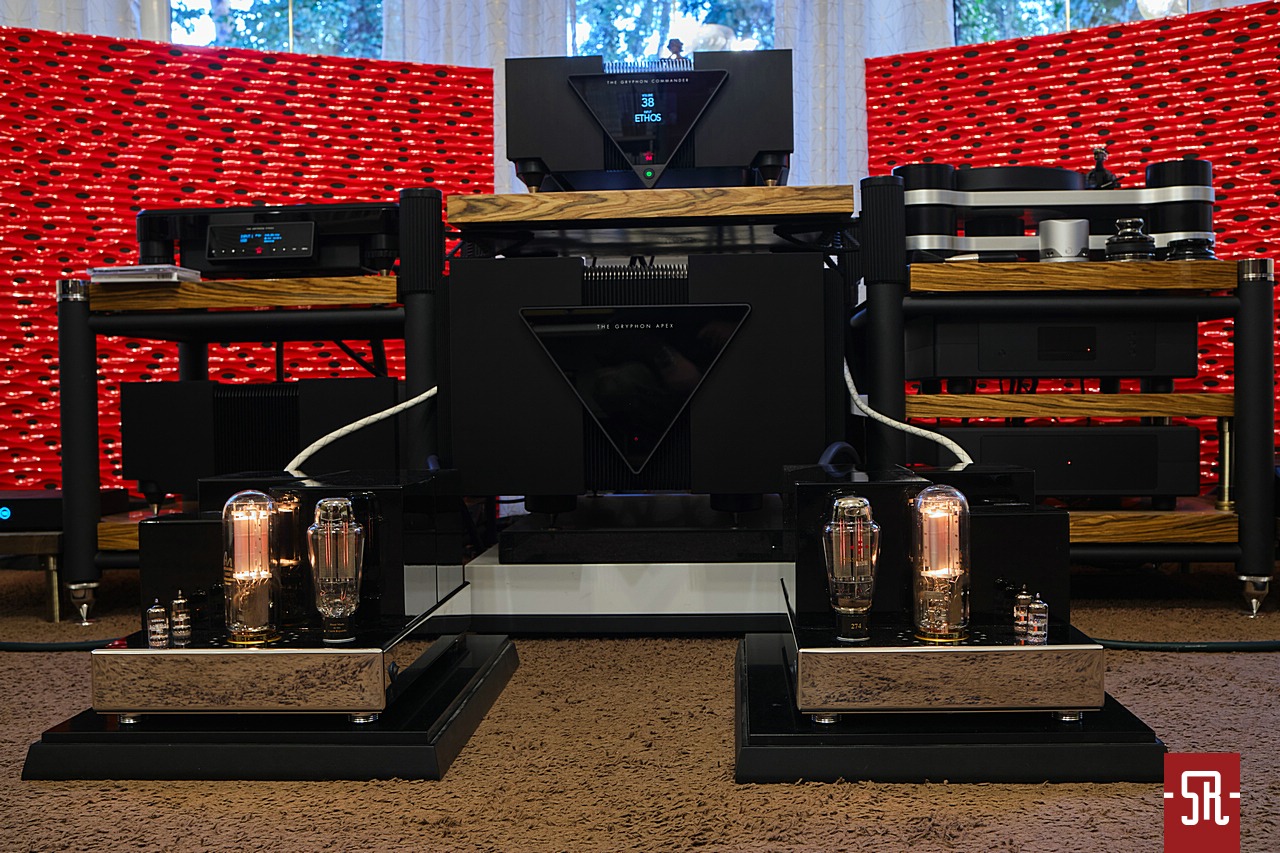
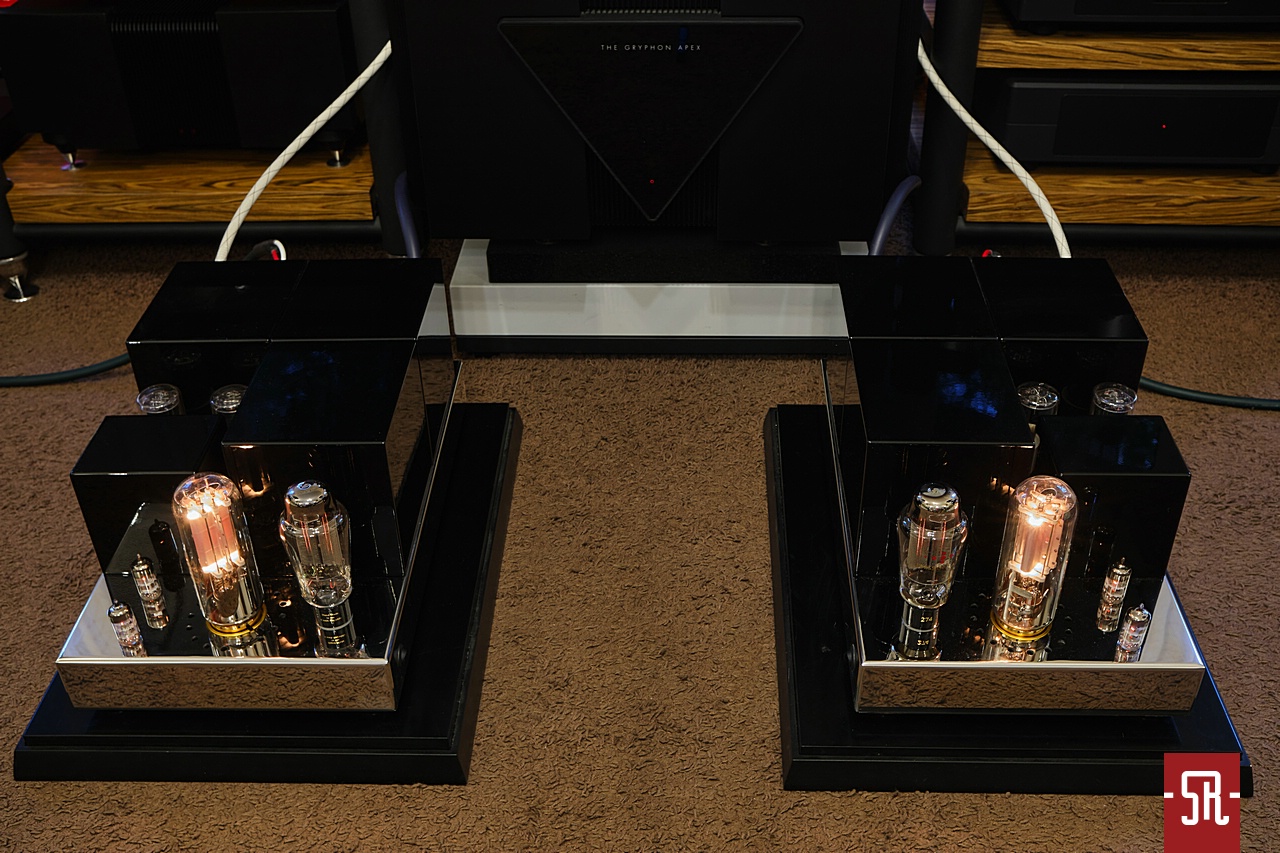

There is no denying that the eponymous pair visiting us, looks extremely phenomenal. Made of polished steel, the slim bodies are mirror images of each other, so we do not get two identical pieces, as was the case, for example, with the Air Tight ATM-2211, but a left and right monoblock, which we can of course swap places by adjusting their position to our own taste or connection needs. And so, the center of the front „landing site” is occupied by a single 211 power tube, which, at least according to the instructions, is accompanied on the left by a 5U4G rectifier (in our case 274 Emission Labs) and on the right by an EZ81 rectifier and a EC8010 operating in the input stage. However, this is not the end of the attractions, because in the background, between the „silos” protecting the transformer and chokes, there are two more Chatham 5R4WGA rectifier tubes working in the power supply. Both the line inputs (single RCA) and the speaker terminals dedicated to 4 and 8Ω loads and the power socket are mounted horizontally on a small „shelf” behind the transformer covers. As for slightly more detailed technicalities, as you can easily guess, we are dealing with SET – Single-Ended Triode designs and, as the name itself indicates, internally wired wires made of pure silver in sheaths made of natural cotton and silver-plated copper in Teflon insulation in the power supply. The internal components were assembled in the point-to-point technique.
I assume that apart from both the appearance and the technicalities, the most interesting question for potential buyers is how the Zikra Audio 211 Nano X Core Silver Wired sound, because by depleting the household budget by a tiny 45.5k€, you can raise the bar of your own expectations to any ambitious level. And I must honestly admit that only lovers of dissecting-room like sterility and laboratory analyticality may feel some unspecified dissatisfaction after contact with the Zikras. Not only do the Danish monos combine a truly holographic resolution with creamy smoothness of presentation in an extremely successful way, but for their rather limited power capabilities, they coped quite briskly with our two tower speakers. On the non-committal repertoire in the style of Paloma Dineli Chesky’s „Memory”, they effortlessly conveyed the three-dimensionality of the recording with precisely placed musicians and a great reproduction of the reverberation aura surrounding them. Adding to this the velvety juiciness of the colors, avoiding stereotypical tube oversaturation, their characteristics could easily be considered charmingly relaxing and at the same time not falling into the safety „roundness” that some of the recipients who are just entering the world of High-End can expect from tubes. I also did not notice any signs of attempts to look for shortcuts and simplifications during listening to a more complex repertoire, and although on „Parasomnia” by Dream Theater the Zikras were dangerously close to the end of their capabilities, but all in all, both broken melodic lines and dense arrangements sounded with appropriate power and genre weight. In addition, the above-average communicativeness of the sound drew attention. Petrucci’s solos had extraordinary energy, Portnoy’s drum kit, expanded to truly gargantuan proportions, used the capabilities of both channels without hesitation, prompting the woofers to work hard every now and then, and LeBrie’s vocals themselves did not tire even at the end of the album. Of course, I am well aware that it is impossible to squeeze such a mathematically precise cacophony out of a 30-Watt tube as you can from a several-hundred-watt transistor welder, but it is safe to say that if only Dream and similar bands end up with the „brutal” shelf of our file/CD portfolio, then we can successfully take Danish tubes into account. And if the lion’s share of our music collections qualifies as „civilized”, then there is nothing to worry about at all, but to think about what to connect the title monos with, because while with Gryphon Commander we got an extremely balanced, mature and, in absolute terms, a bit darkened, or even discreetly calmed down sound, our experience with the company’s preamplifier made it clear, that from the 211 you can successfully get even higher resolution and holography combined with the truly alpine crispness of a sunny morning. In addition, the company’s preamp has a chance to add more engaging microdynamics, which will certainly be appreciated by lovers of listening at fairly low volume levels. And although I will not say that this aspect bothered me during editorial sessions, with the Gryphon pre the 211 Zikra „opened” fully only at medium doses of decibels, at lower doses simply playing „nice and pleasant”. It is also worth doing some gymnastics with the selection of optimal speakers, because the very fact of „coping” with the Gauders at the level represented by Zikra should only be a starting point rather than the end of the search. Easier to control, more effective designs will allow the 211s to spread their wings and thus slightly push the boundaries of the brutality of the reproduced thud.
To sum up, I have no choice but to say that the Zikra Audio 211 Nano X Core Silver Wired monoblocks in the High Gain version can confidently claim to be an extreme High-End, and with the company’s preamplifier we can successfully talk about a dream system for the most demanding audiences. However, as it happens in life, it should be mentioned that this is a proposal for audiophiles and music lovers who are fully aware of their own expectations, because if someone’s ambition is to explore the darkest corners of death and black metal, and at the same time almost concert doses of decibels are the order of the day, then common sense and practice suggest that it would be much wiser to reach for some transistor welders. Nevertheless, if the budget and conditions of the venue allow, especially with a full Danish set, then the possibility of daily use of the effects of Michael Zingenberg’s joyful work seems to be the fulfillment of all audiophile desires, and the only concern of their owner becomes only finding enough time to fully enjoy them, and I mean the Zikras, not desires.
Marcin Olszewski
System used in this test:
– CD Player/DAC: Gryphon Ethos
– Streamer: Lumin U2 Mini + switch QSA Red-Silver
– Preamplifier: Gryphon Audio Commander
– Power amplifier: Gryphon Audio APEX Stereo
– Loudspeakers: Gauder Akustik Berlina RC-11 Black Edition
– Speaker cables: Furutech Nanoflux-NCF Speaker Cable
– IC RCA: Hijiri Million „Kiwami”, Vermouth Audio Reference
– XLR: Hijiri Milion „Kiwami”, Furutech DAS-4.1, Furutech Project V1
– Digital IC: Furutech Project V1 D XLR
– Ethernet cable: NxLT LAN FLAME
– USB cable: ZenSati Silenzio
– Power cables: Hijiri Takumi Maestro, Furutech Project-V1, Furutech DPS-4.1 + FI-E50 NCF(R)/ FI-50(R), Furutech Evolution II, Hijiri Nagomi, Vermouth Audio Reference Power Cord, Acrolink 8N-PC8100 Performante, ZenSati Angel
Table: BASE AUDIO 2
Accessories: Quantum Science Audio Red fuse; QSA Silver fuse; Synergistic Research Orange fuse; antivibration platform by SOLID TECH; Harmonix AC Enacom Improved for 100-240V
– Power distribution board: Power Base High End, Furutech NCF Power Vault-E
– Acoustic treatments by Artnovion
Analog stage:
– Drive: SME 60
– Cartridge: My Sonic Lab Signature Diamond
– Phonostage: RCM Audio The Big Phono
– Clamp: Omicron Luxury Clamp
– Eccentricity Detection Stabilizer: DS Audio ES-001
– Tape recorder: Studer A80
Polish distributor: Premium Sound
Manufacturer: Zikra Audio
Price: 44 000 € (Low Gain), 45 500 € (High Gain)
Specifications
Output tube: Emission Lab 211
Input tube: EC8010
Fuse: 3A
Output: 32 W / 4, 8 or 16Ω
Frequency band: 12-115kHz
Connections: RCA/WBT
Dimensions (W x D x H): 330 x 450 x 250 mm
Weight: 50 kg
