Dyrholm Audio Nexus XLR, Speaker, Power English ver.
Opinion 1
As you have surely noticed, for reasons that are difficult to explain, the subject of audio cabling arouses the same extreme emotions, and thus heated discussions, as, referring to the football analogy, the legendary „hand of God”, or, as the „malicious” claim, the hand of Diego Maradona himself, on June 22, 1986 at the Estadio Azteca, when he miraculously scored a goal in the quarter-final match against the English, beating Peter Shilton. However, while in the case of a football played on countless repetitions, it can be seen that „Divine Diego” indisputably helped himself with his left, and moreover upper, limb by paraphrasing the thesis promoted by a certain political faction that „he simply deserved this goal”. Meanwhile, cable-sceptics, impregnated against their own impressions of empirical nature, tend to claim, that when the devices are connected together and do work, then you do need to “f$%^&&^” drill deeper, naively thinking that working means having no difference, not even mentioning a possibility of improvement. And what may surprise a significant part of our readers in a sense is that they are cable-sceptics, I understand, because using their line of reasoning, appropriately narrowing the cognitive perspective and at the same time referring to the above-mentioned World Cup metaphor watching the match in question on the „octopus”, i.e. the 1.2″ screen of the Seiko DXA001 wrist tv, I allow the option that I would also go into denial that the hands, whether of the Most High, or Diego himself was not there. There was a goal and that ends the topic. However, as we know, both time and the world subject to its laws do not stand still, technologies are moving forward and what forty years ago was a classic of SF is now commonplace. 4K screens, smartphones more powerful in terms of computing power than many desktop units, ubiquitous AI and audio streaming, high-resolution files and the proverbial splitting of hairs in the High-End proving that even more information can be squeezed out of virtually any medium and literally everything is important in their transmission. Therefore, continuing our exploration of the Danish pantry with audiophile specialties after the digital duo, we decided to take the patiently waiting for their time, the „analogue” trio of top Nexus line from Dyrholm Audio, which included XLR connectors, speaker and power cables.
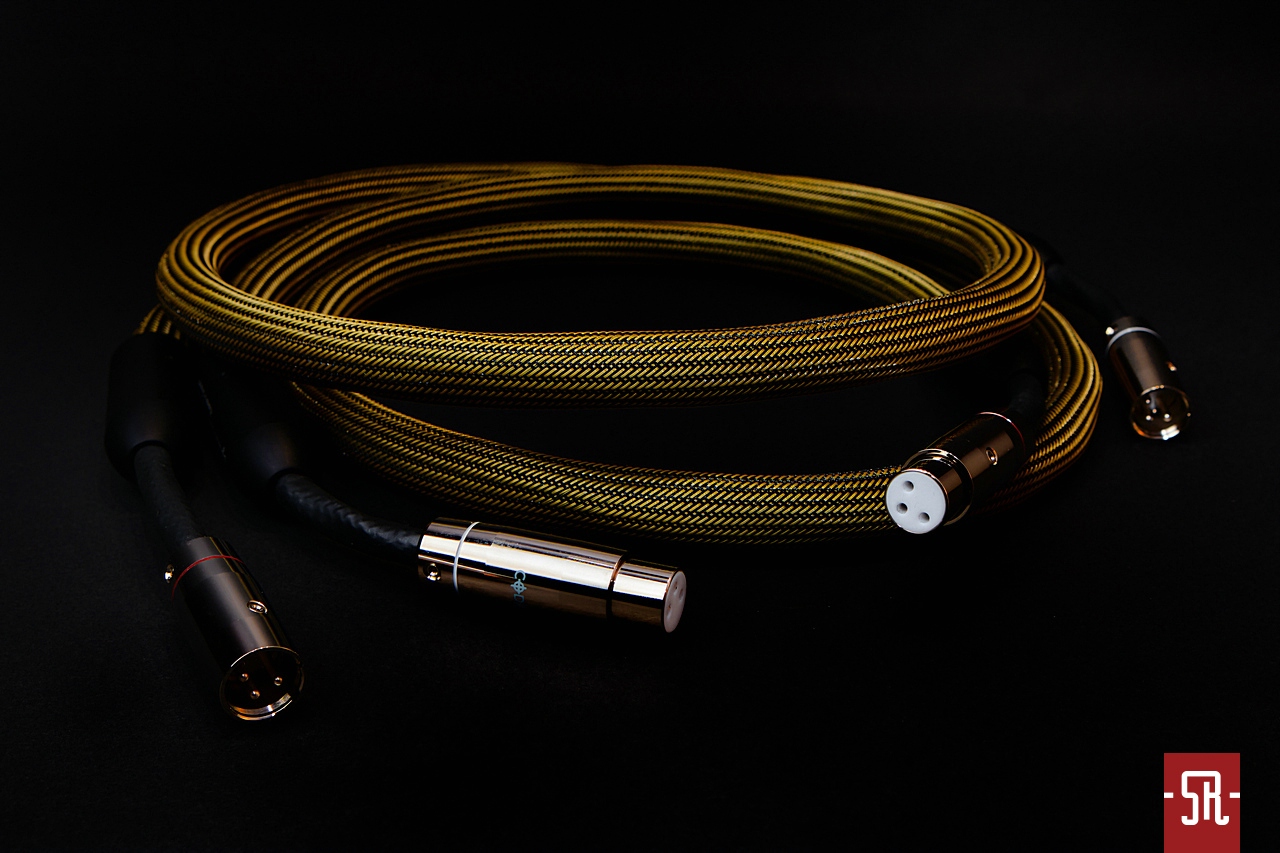
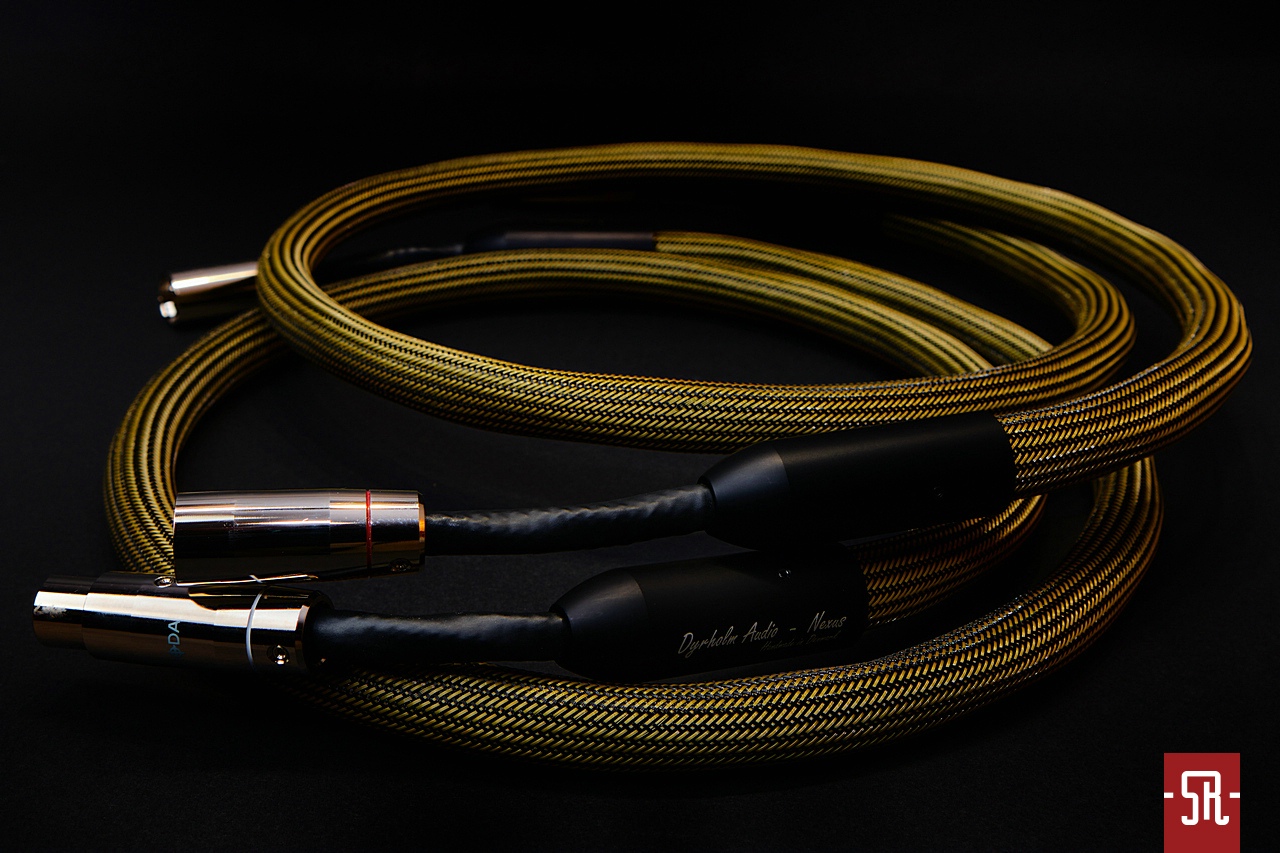
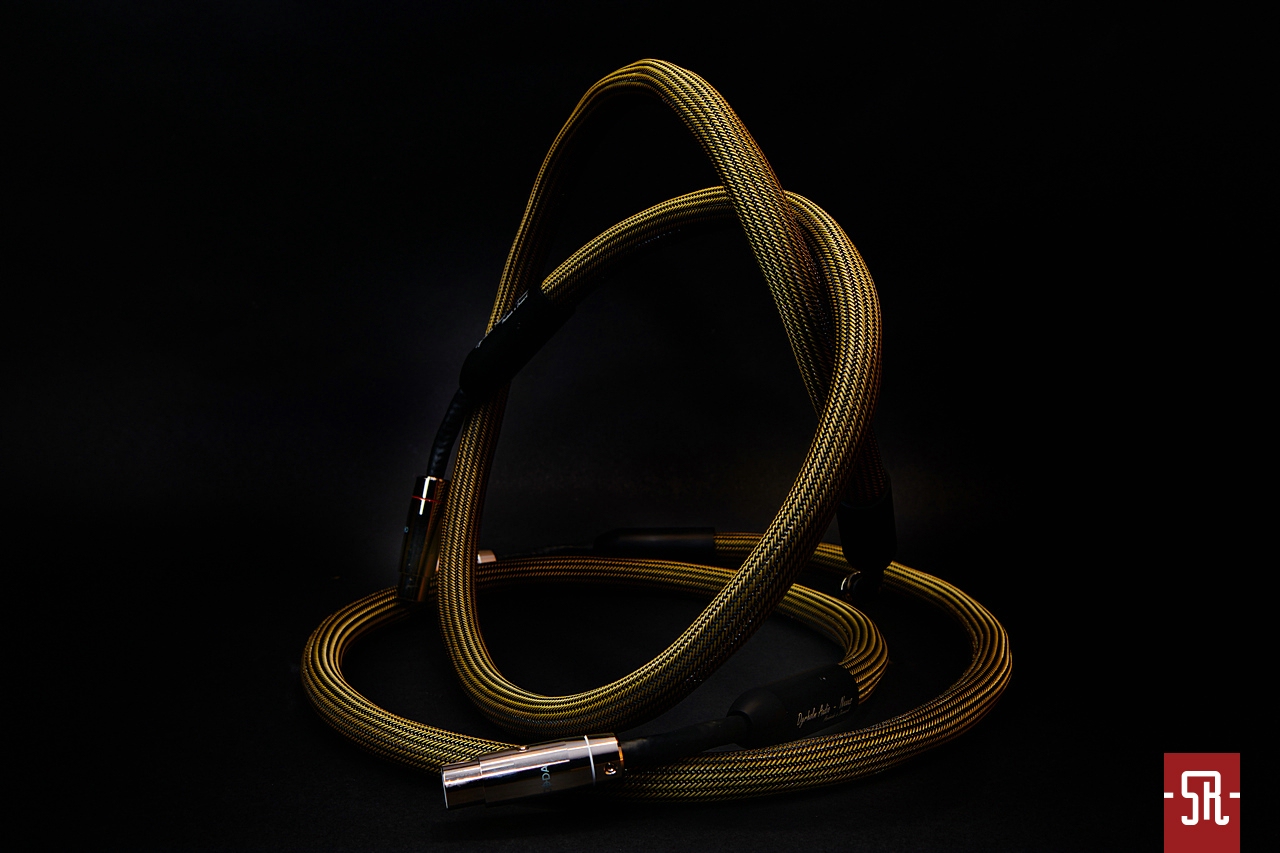
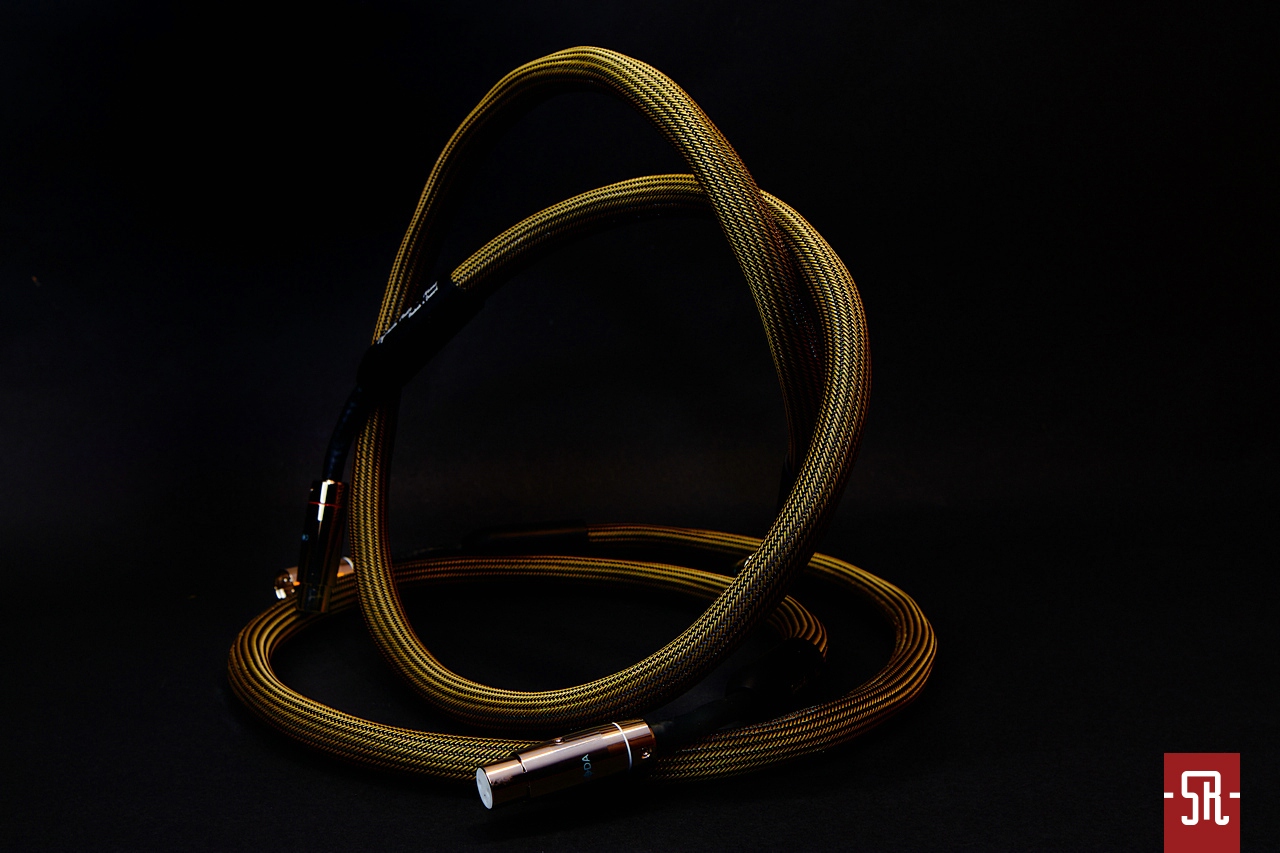
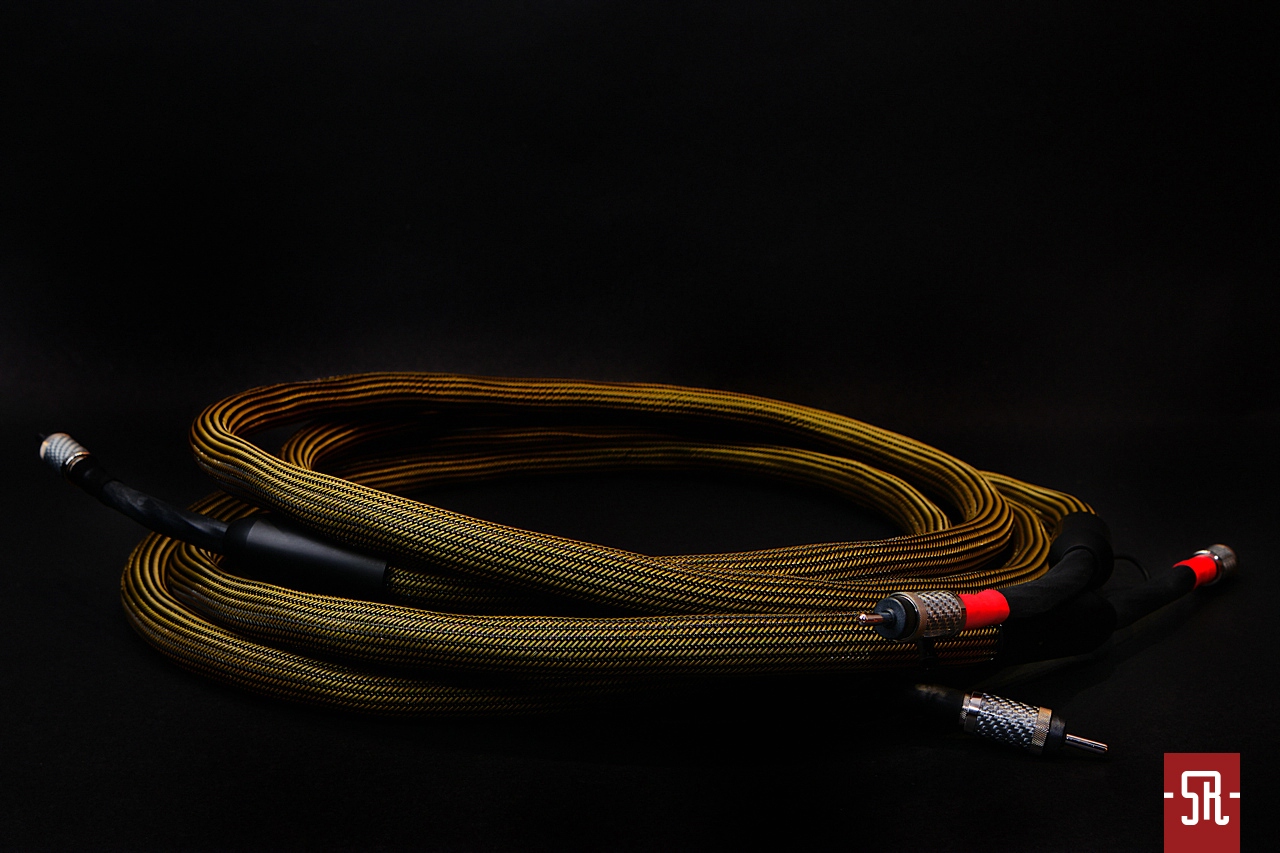
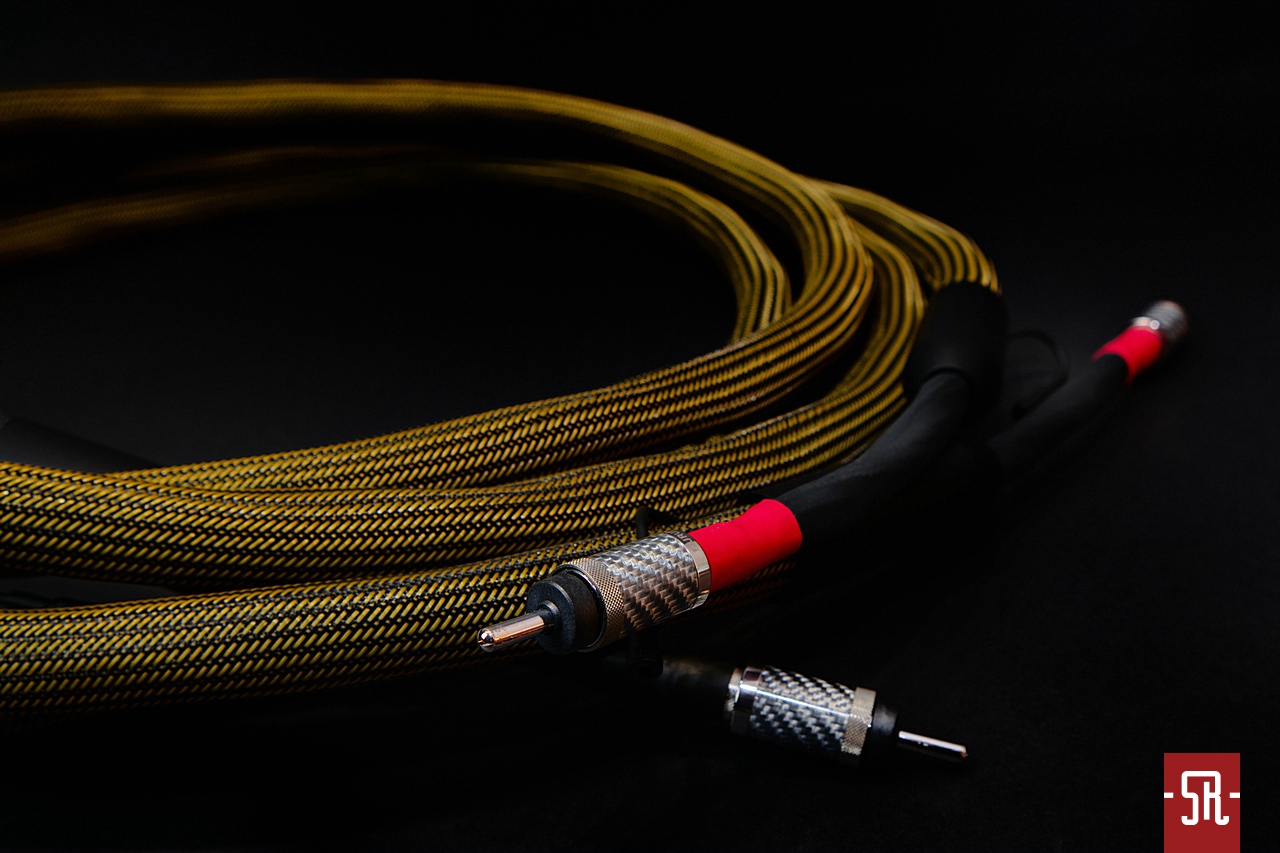
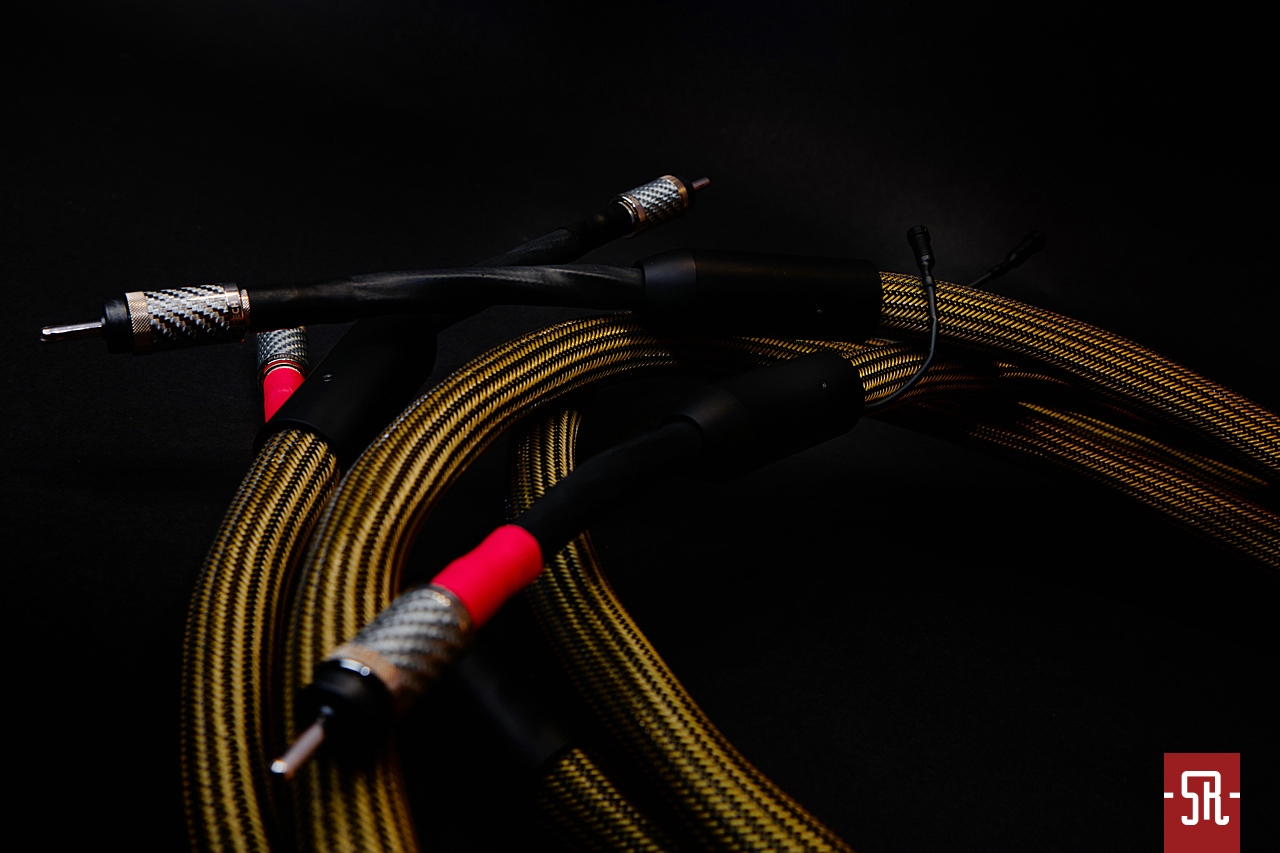
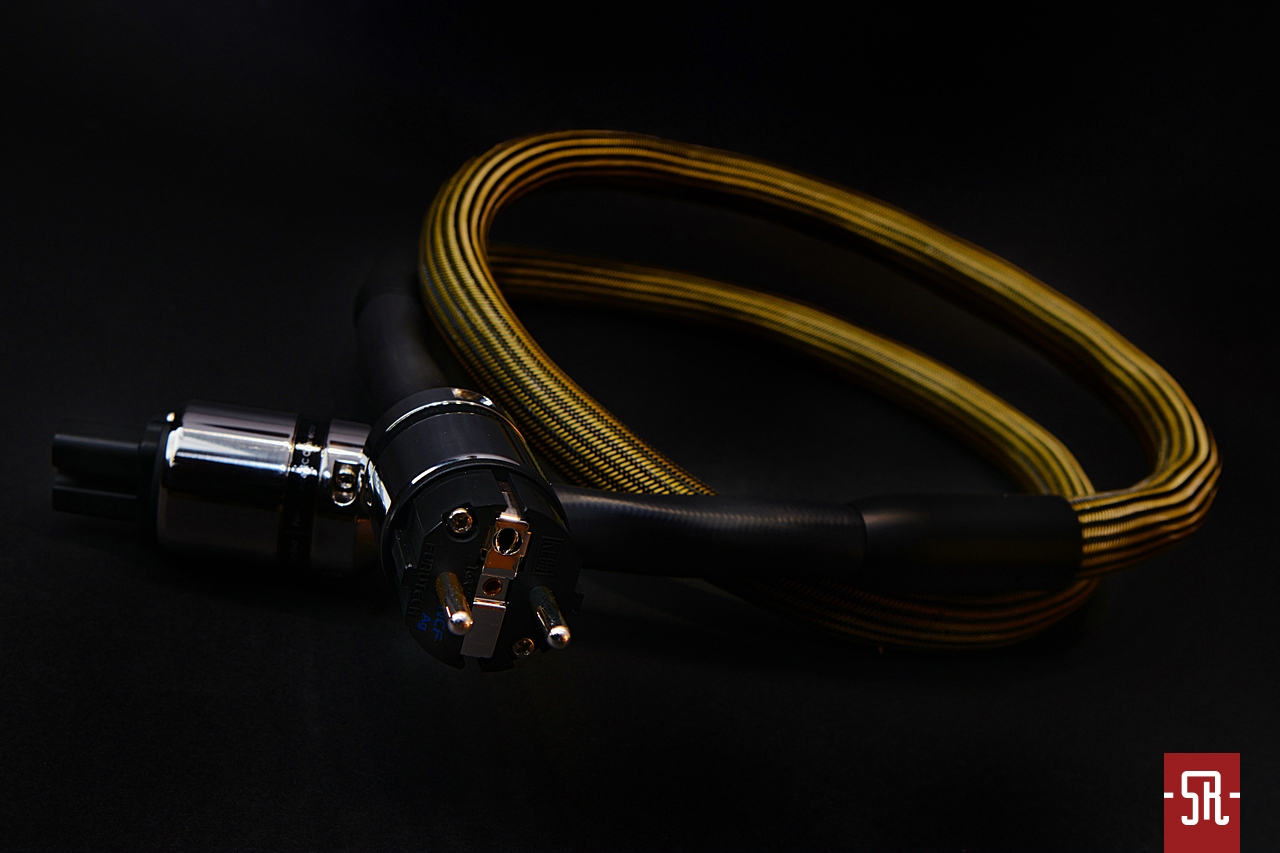
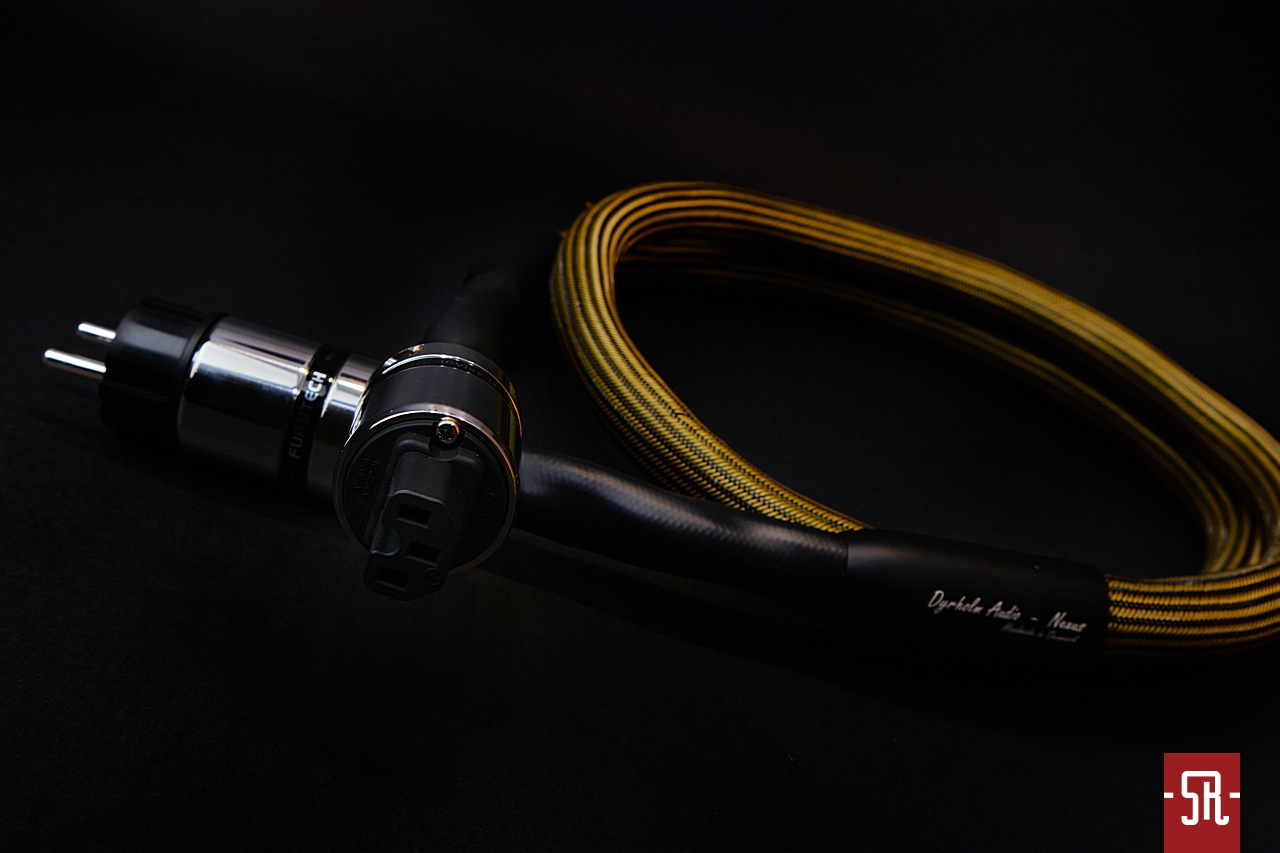
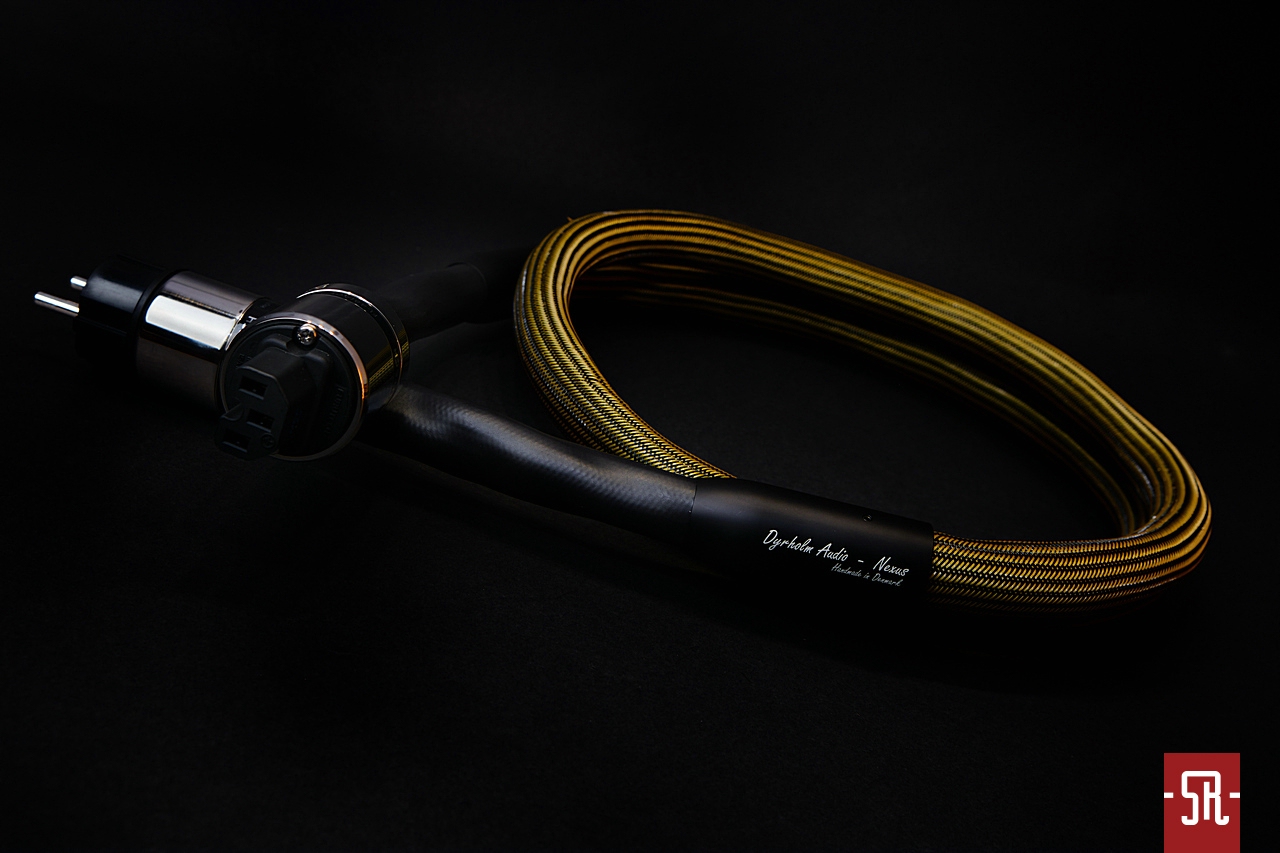
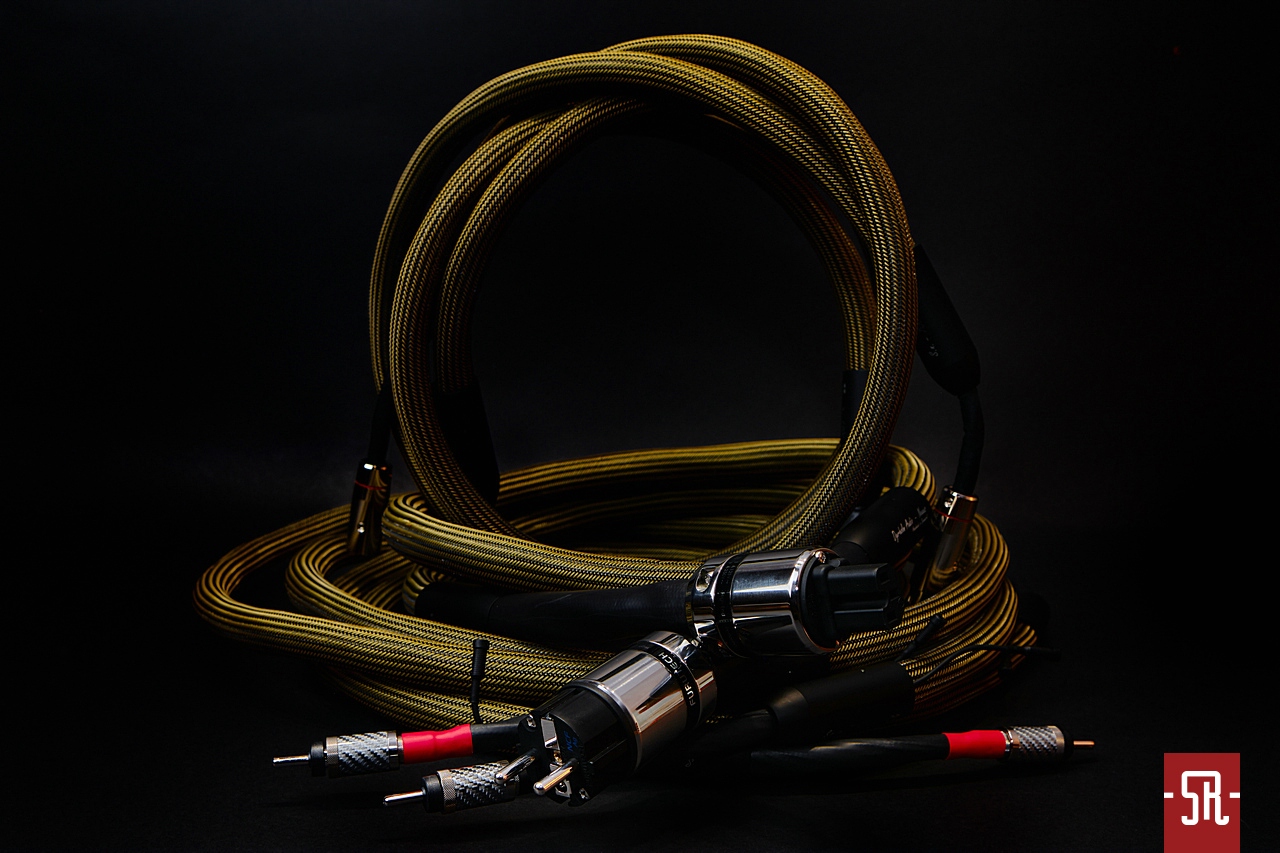
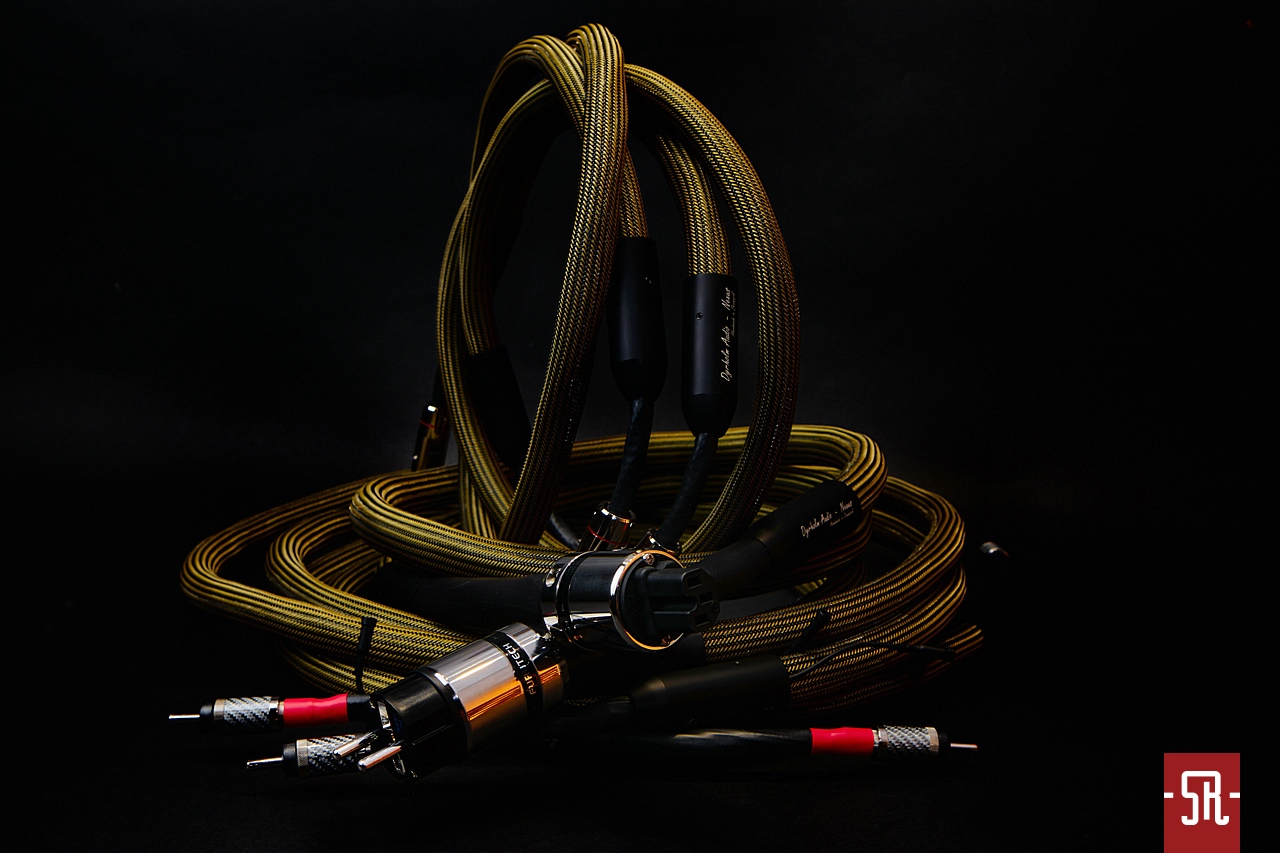
Similar to their digital siblings, the eponymous cables are dressed in elegant greenish-brown-black knitted sleeves and armed with high-quality Furutech NCF confectionery (power and speaker cables), and no less sophisticated ETI Coda (XLRs). Just before the plugs, black anodized, diameter-reducing barrels are used, on which the relevant information about the manufacturer, model, serial number and directionality (for the speaker cables) is written. And speaking of them, in their case each pass is a separate entity, so a single stereo set includes four individual pieces. Returning to the organoleptic sensations and ergonomics, the use of heat-shrinkable sleeves between the above-mentioned barrels and plugs makes it worth setting aside a little more space behind the system, so that the Dyrholms can freely bend in a „wide” arc, as they are practically non-bendable from the aforementioned reducers.
Delving a little deeper into their anatomy, each of the 3 conductors in the interconnects is made of 3 solid core monocrystalline 6N+ silver in double braided insulation made of unbleached cotton, while tinned copper foil is used as a screen. In turn, in the loudspeaker cables, John Dyrholm decided to use 42 wires (three 14-wire conductors per wire) made of monocrystalline UPOCC copper with a cross-section exceeding 18mm² (5AWG). According to tradition, unbleached cotton appears as insulation, and tinned copper foil as shielding. A similar raw material background, i.e. monocrystalline UPOCC copper, was used in the construction of the power cable, with the only difference being that it uses three bundles of 15 conductors each, with the grounding conductor made of silver-plated OCC copper. It is worth emphasizing at this point that all wires have a cross-section of 6.8mm² (AWG 9).
Fortunately, according to logic and our assumptions in terms of the sonic qualities offered, the eponymous exotic trio turned out to be identical to its digital predecessors, focusing on directness and speed of presentation with clearly marked edges of the sound spectrum and an extremely communicative midrange. However, I will warn you right away that it was not a reproduction of the „V” or „W” layout on a conventional graphic corrector, but rather a clearly defined expressiveness and emotionality of the sound, where any understatements, distances, or reassuring rounding are out of place and frowned upon. The Nexus make it clear from the very beginning that they operate in the „champions league” and they have such expectations regarding the components connected to them, so do not expect a reduced tariff from them, or mercifully helping out devices suffering from any deficiencies. In short, if something in a given system did not work, it still will not work with Dyrholm, sometimes the flaws might even be heard better. Okay, there are exceptions to the above rule, because if so far, e.g. due to a not fully thought-out/conscious choice of wiring, a given configuration sounded too sluggish, not very legible and as if someone had calmed it again and again, then the appearance of Danish wires in the sound path will be an evident progress and a step towards the expected vitality. At this point, I allow myself to treat the eponymous Nexus „globally” and collectively, because each of them separately, as well as existing together with its siblings, showed exactly the same, identical features for the top Dyrholm series, and most importantly, the increase in their share in the total wiring of the system did not mean an intensification of their native features each time, but only the elimination of competing signatures. So it was an effect that was as noticeable as it was logical, and as much as we care about dynamics, resolution and truth, it is also very desirable and, interestingly, surprisingly coinciding with the effects brought by the full wiring of my system with the Polish WK Audio TheRed. The dark, rough and almost stone-like „Celestial Blues” by King Woman sounded extremely legible, which was a very refreshing experience for the gloomy-doom atmosphere and the pace of the narrative. In the usually stuffy and at times even claustrophobically overwhelming compositions, the Dyrholm not only perfectly exposed Kristina Esfandiari’s vocals, which meant that in the majestic guitar parts and the jumping between monotonous beat of tempo and almost prog-rock intricacy of the drums, the emphasis was placed on legibility and communicativeness, and not just oneiric and impressionistic qualities, based on sound spots rather than definable detail. A nice bonus turned out to be the ability of the Danish cables to remove the truly garage-like roughness and dirt without simultaneously depreciating this type of recordings as unworthy of audiophile systems. To put it bluntly, you can hear perfectly well on the Nexus that such „dirty aesthetics” is not an accidental ailment of a production nature, but a fully conscious means of artistic expression.
However, if someone wants it to be both technically good and „nice” in terms of aesthetics, there is not the slightest problem either. Why do we have such gems as „Memory” by Paloma Dinella Chesky or „I Forgive You” by Cynthia Erivo, which can be confidently referred to as strictly audiophile nirvana. The materialization and tangibility of the extremely realistically presented singers is not subject to the slightest discussion, the rendering of even the smallest nuances of their articulation is so obvious, as if they were sitting on the other side of our coffee table and the power of their emission is not only heard by us, but also by the skin of our faces. And although taking into account the upper registers, it is impossible to talk about any signs of rounding or withdrawal, or rather a very skillful “romance” with the foreground of discreet hardening, the sibilants are far from artificial exposure and do not tire even during many hours of sessions. With a similar attention, the Nexus approach the issue of order on the stage, and the defining and placing individual virtual sources on it, but they do it not only with a truly apothecary precision, but also by preserving mutual interactions between individual musicians or entire sections. It is not an art to scatter separate entities on the stage and hope that the listener will somehow glue them together in a meaningful whole in their head, but true skill begins when the obvious separateness of such an entity has to go hand in hand with, perhaps not even the background, but the environment created by other participants and the mutual permeation of their reverberant auras or dialogues between them. And with the Dyrholm, we get just such a combination of fire and water, and both of the above elements coexist with each other in full harmony.
I silently hope that from the above arguments it is clear that Dyrholm Audio Nexus XLR, Speaker and Power are a proposition for people fully aware of their own expectations, as well as the capabilities of their own systems. They do not waste time fixing, masking configuration errors, they are not in the habit of hiding implementation mistakes, but when they find fertile ground, they allow a good system to present itself from the most attractive side in the blink of an eye and unleash the full potential of it. At the same time, they offer impressive dynamics, intimidating resolution and at the same time do not shy away from musicality. However, musicality based on realism, and not distortions and belay embellishments played for the audience.
Marcin Olszewski
System used in this test
– CD/DAC: Vitus Audio SCD-025 Mk.II + 2 x Quantum Science Audio (QSA) Blue Fuse
– Network player: Lumïn U2 Mini + Farad Super3 + Farad DC Level 2 copper cable + Omicron Magic Dream Classic; I-O Data Soundgenic HDL-RA4TB
– Turntable: Denon DP-3000NE + Denon DL-103R + Omicron Decoupler Clamp
– Phonostage: Tellurium Q Iridium MM/MC Phono Pre Amp
– Digital source selector: Audio Authority 1177
– Integrated amplifier: Vitus Audio RI-101 MkII + Quantum Science Audio (QSA) Violet fuse
– Loudspeakers: AudioSolutions Figaro L2 + Solid Tech Feet of Balance + zwory ZenSati Angel
– IC RCA: Furutech FA-13S; phono NEO d+ RCA Class B Stereo + Ground (1m)
– IC XLR: VLAD Audio Epitome XLR; Furutech DAS-4.1; WK Audio TheRed XLR
– Digital IC: Fadel art DigiLitz; Harmonic Technology Cyberlink Copper; Apogee Wyde Eye; Monster Cable Interlink LightSpeed 200
– USB cables: Wireworld Starlight; Vermöuth Audio Reference USB; ZenSati Zorro
– Speaker cables: WK Audio TheRed Speakers mkII + SHUBI Custom Acoustic Stands MMS-1
– Power cables: Esprit Audio Alpha; Furutech FP-3TS762 / FI-28R / FI-E38R; Organic Audio Power + Furutech CF-080 Damping Ring; Furutech Evolution II Power; 3 x WK Audio TheRed Power
– Power distribution board: Furutech e-TP60ER + Furutech FP-3TS762 / Fi-50 NCF(R) /FI-50M NCF(R)
– Wall power socket: Furutech FT-SWS-D (R) NCF
– Switch: QSA Red + nóżki Silent Angel S28 + Farad Super6 + Farad DC Level 2 copper cable
– Ethernet cables: In-akustik CAT6 Premium II; Audiomica Laboratory Anort Consequence, Artoc Ultra Reference, Arago Excellence; Furutech LAN-8 NCF; Next Level Tech NxLT Lan Flame; TIGLON TPL-3000L-WT (White Tiger)
– Anti-vibration platform: Franc Audio Accessories Wood Block Slim Platform
– Table: Solid Tech Radius Duo 3
– Acoustic panels: Vicoustic Flat Panel VMT
Opinion 2
I must admit that when the talks about the eponymous Danish cabling took place for the first time, I knew that by slightly generalizing the topic, every Scandinavian country has a lot to say about advanced audio, but I did not think that such a small company would be able to surprise me so positively. Naturally, I mean my recent decision to purchase a set of USB and Lan digital cabling, both from the segment of file-based music, which is not the center of my interest. Before that happened, I managed to get acquainted with the full range of products offered. But no matter what, based on my rather high sonic expectations from the audio accessories I purchase, they deserve applause for convincing me to buy something from their portfolio. Which company are we talking about? This is what the title already gave away – Dyrholm Audio, located in Denmark, small in terms of production momentum, but great in its spirit of providing our audio systems with the best possible quality of cabling. What will be the subject of the following review? Well, due to the fact that recently the brand’s principals, wanting to reduce the prices of their products to the target customer, decided to sell their cables directly, without intermediaries, so this time they supplied us with a set of top-of-the-line analogue cabling, the Dyrholm Audio Nexus XLR, Power and Speaker, completely by themselves. So how did this sparring end in the context of digital cabling? Naturally, you will find the answer in the following paragraphs.
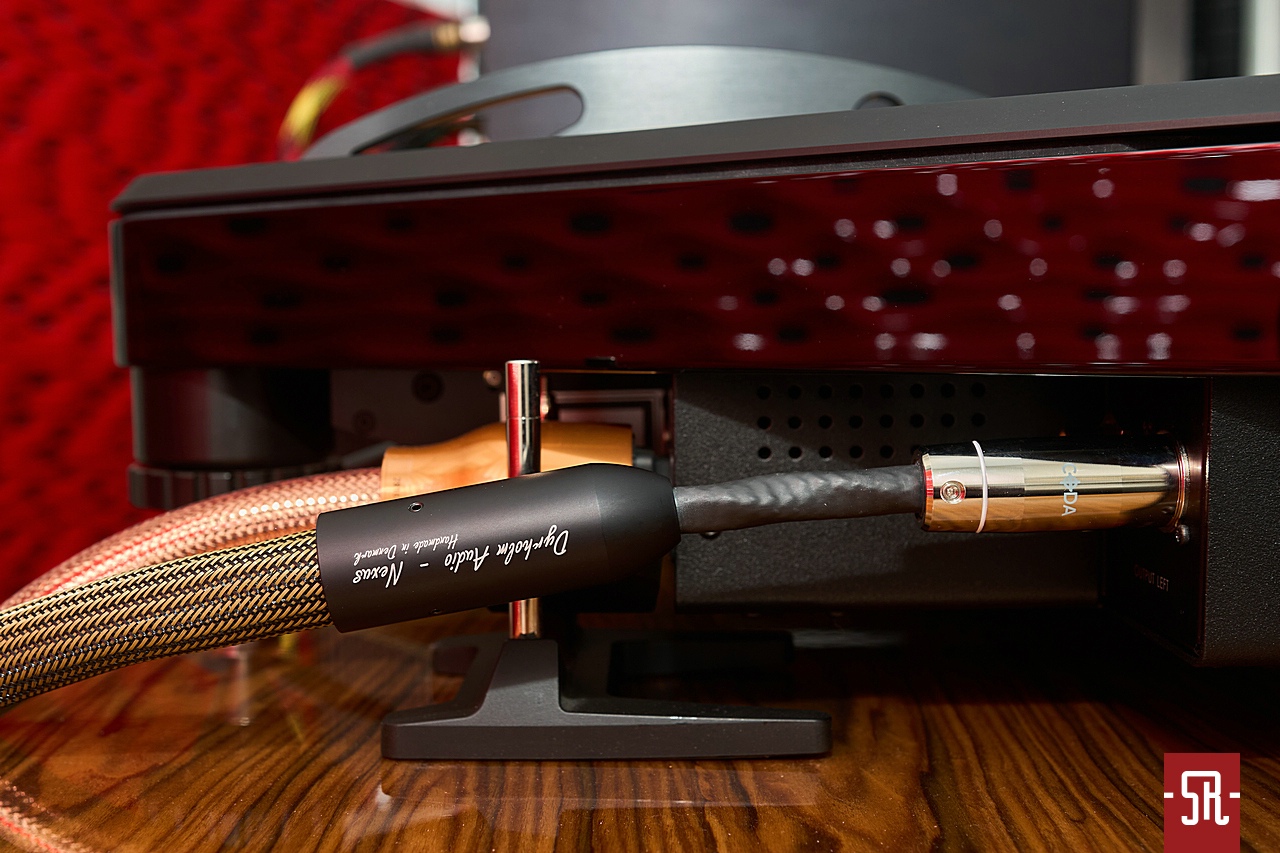
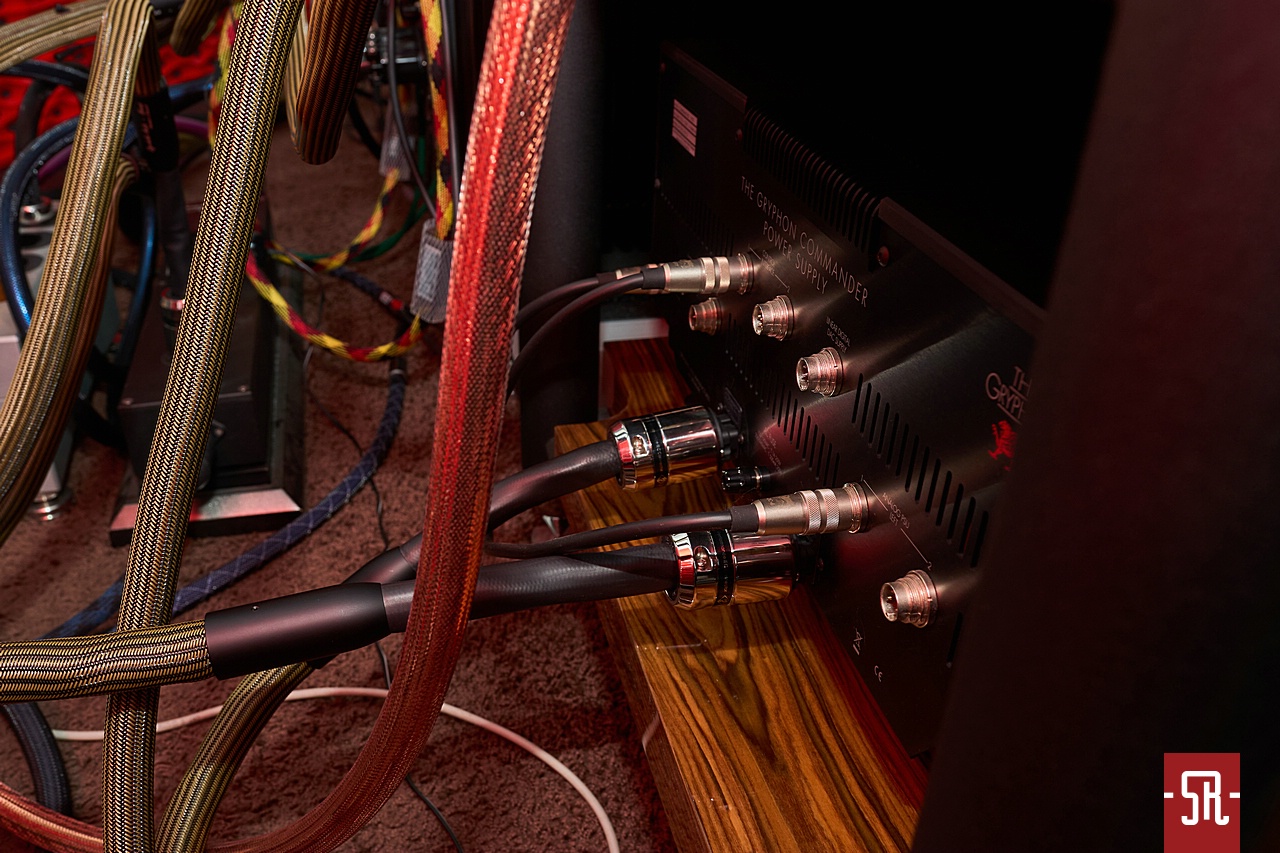
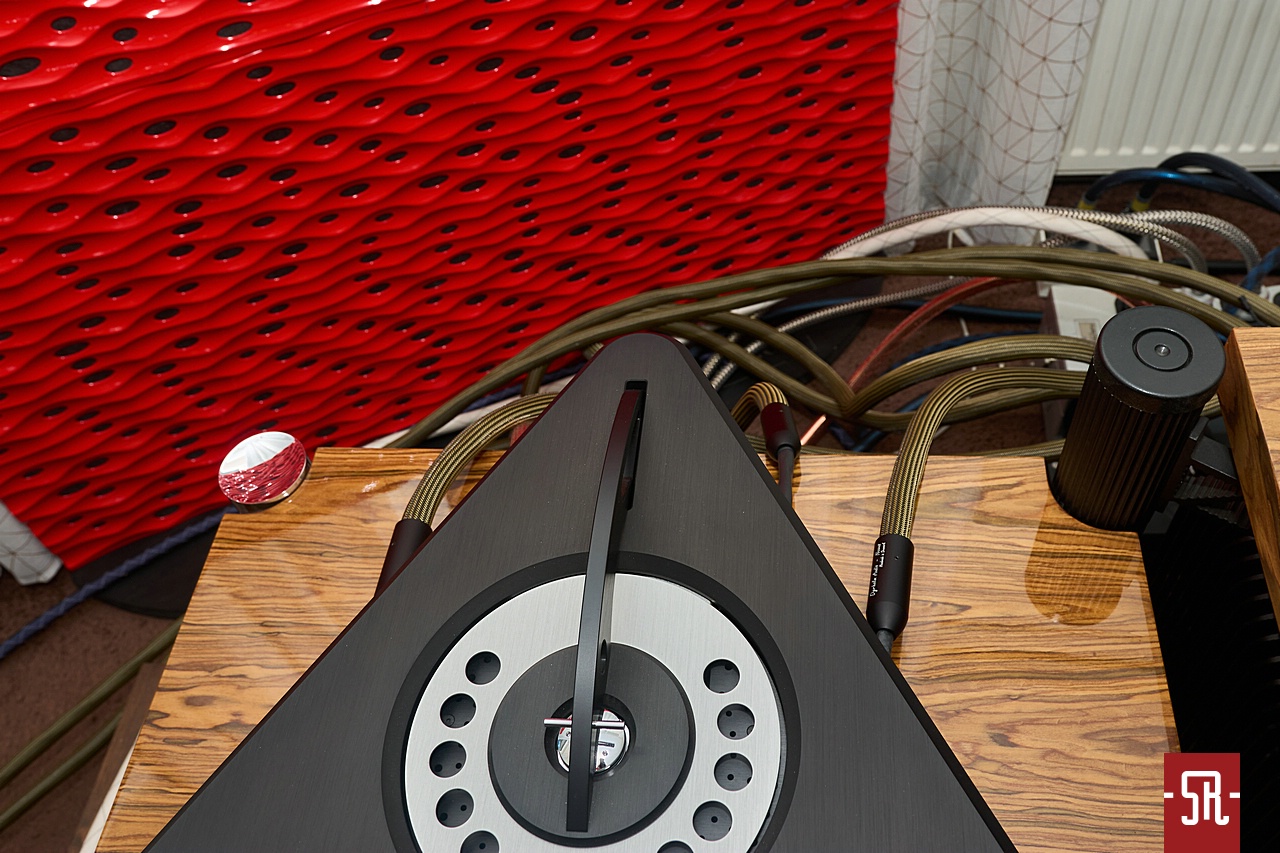
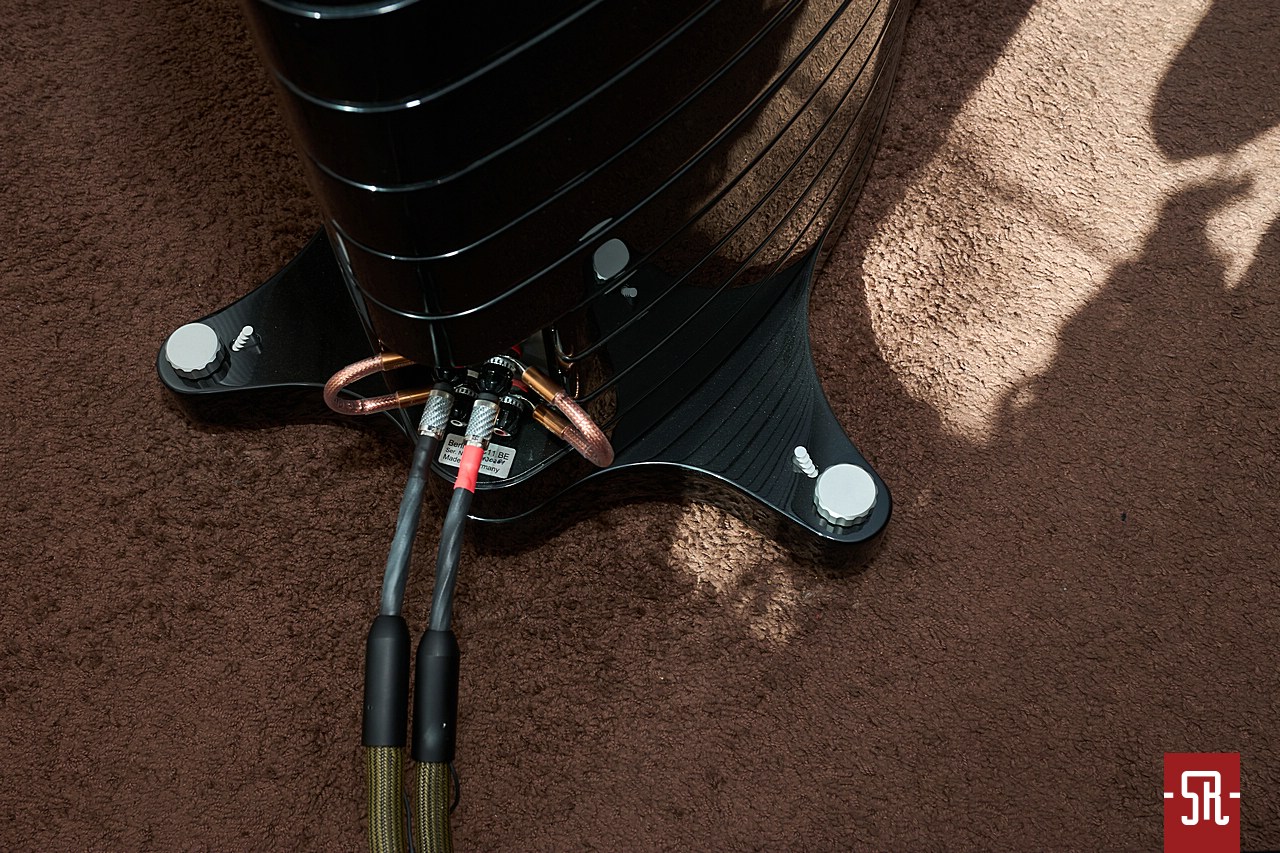
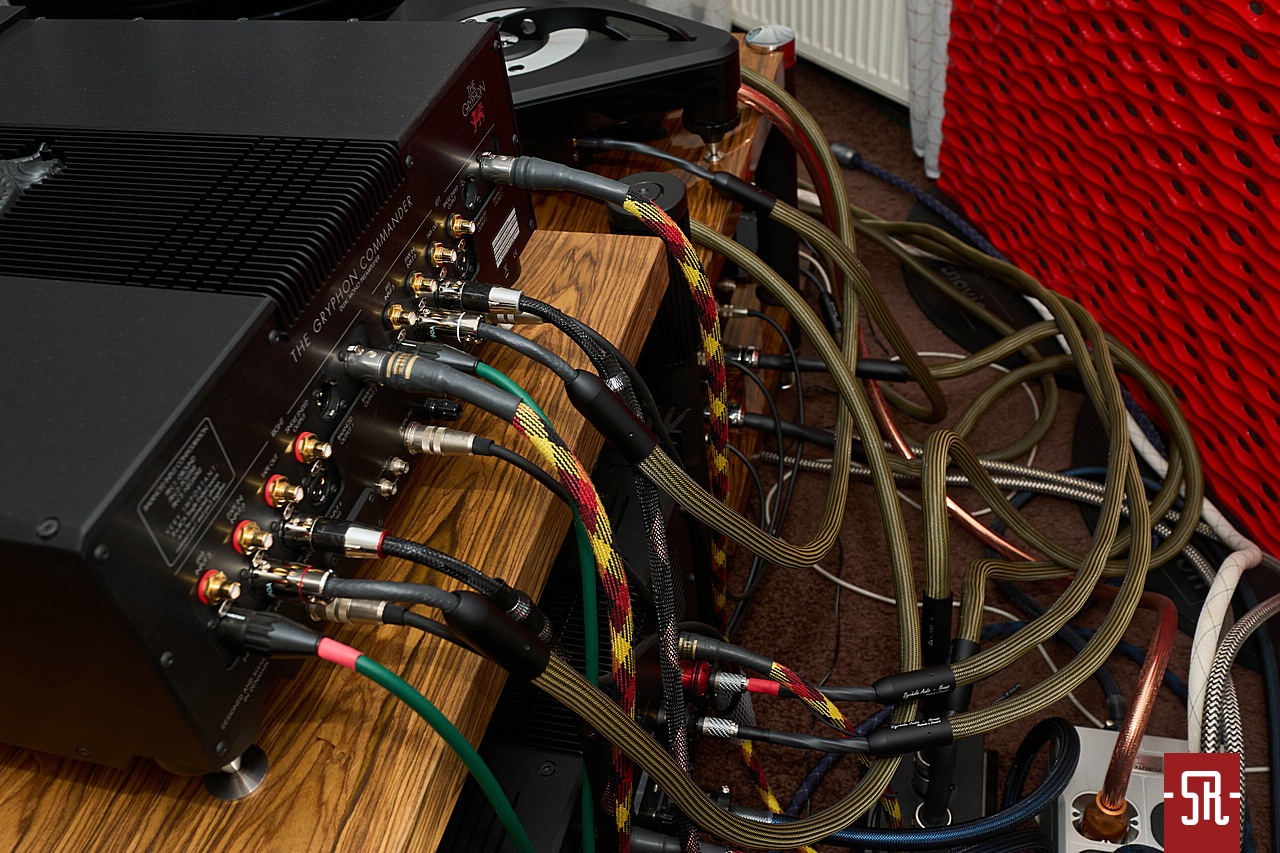
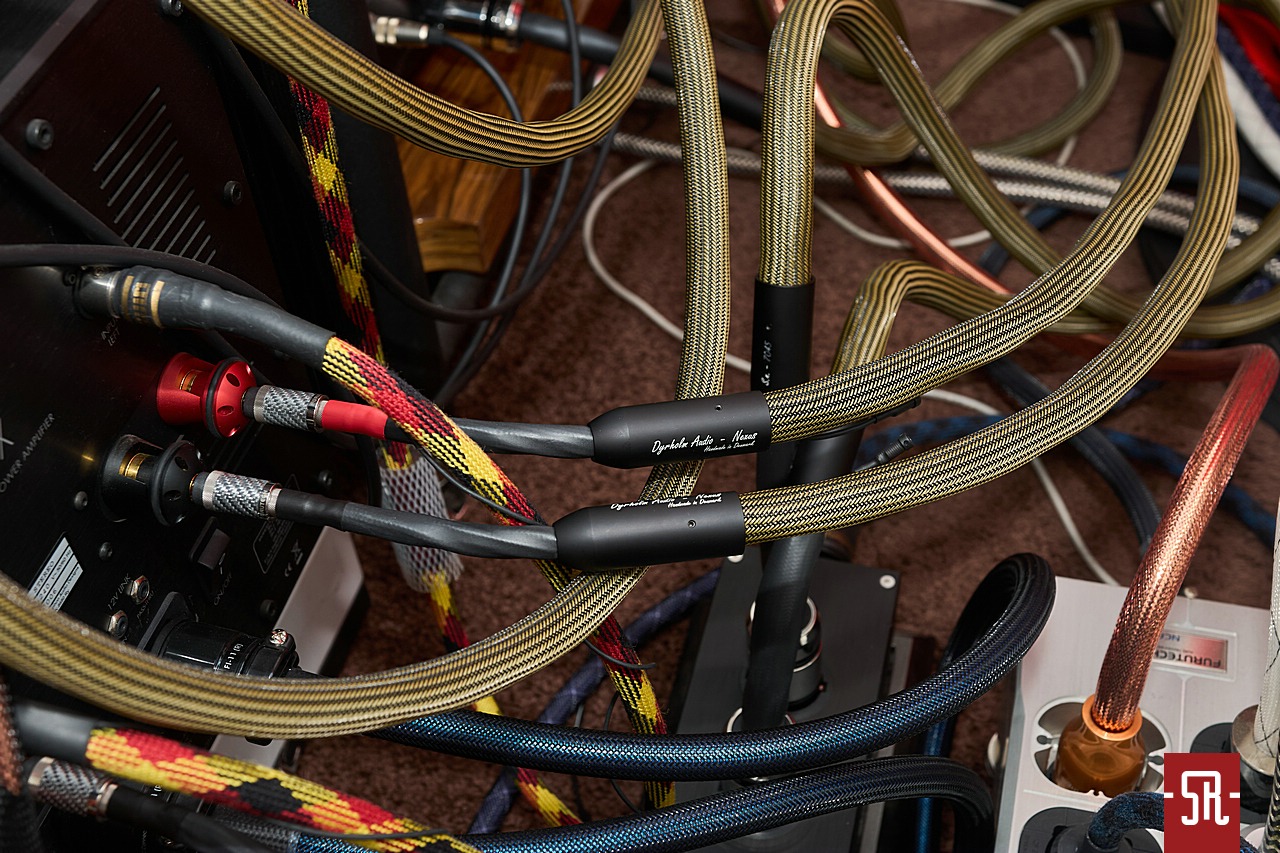
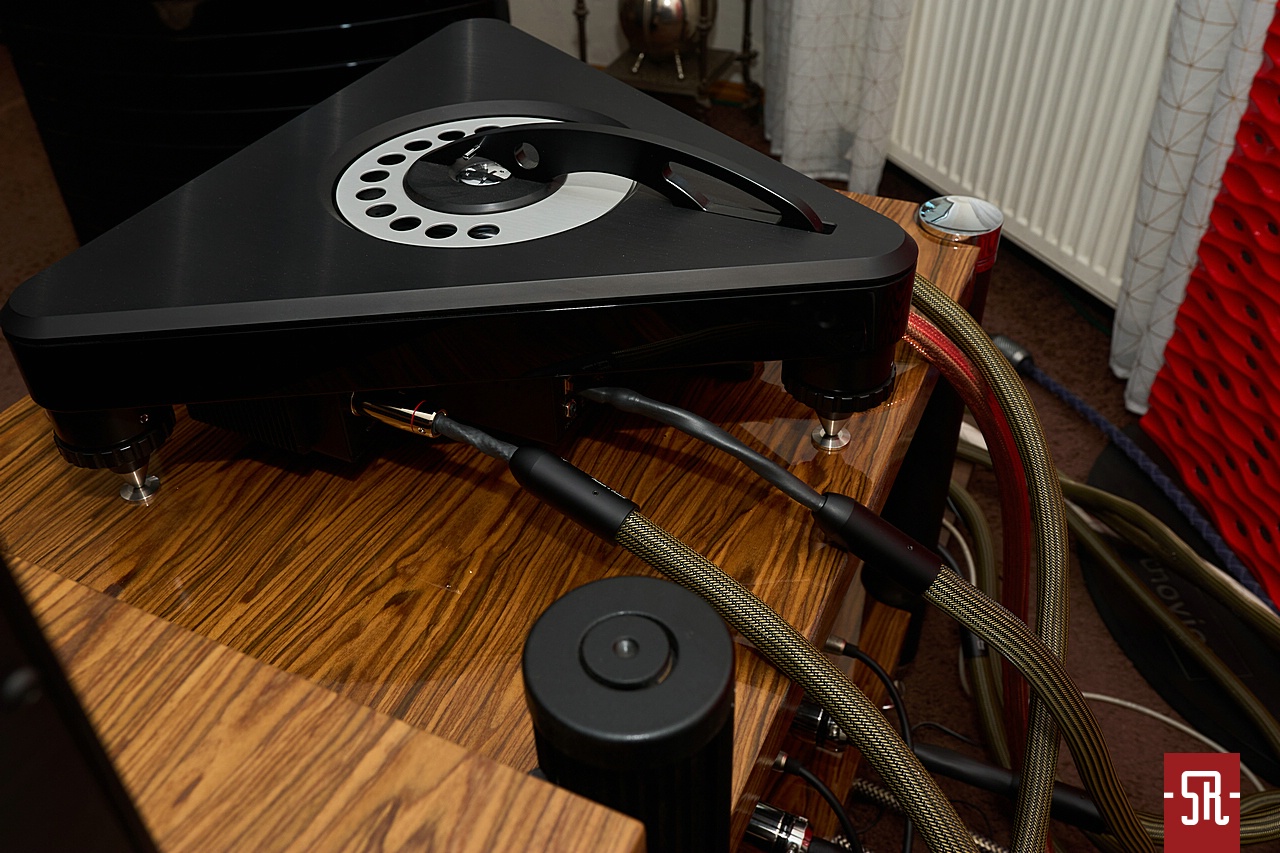
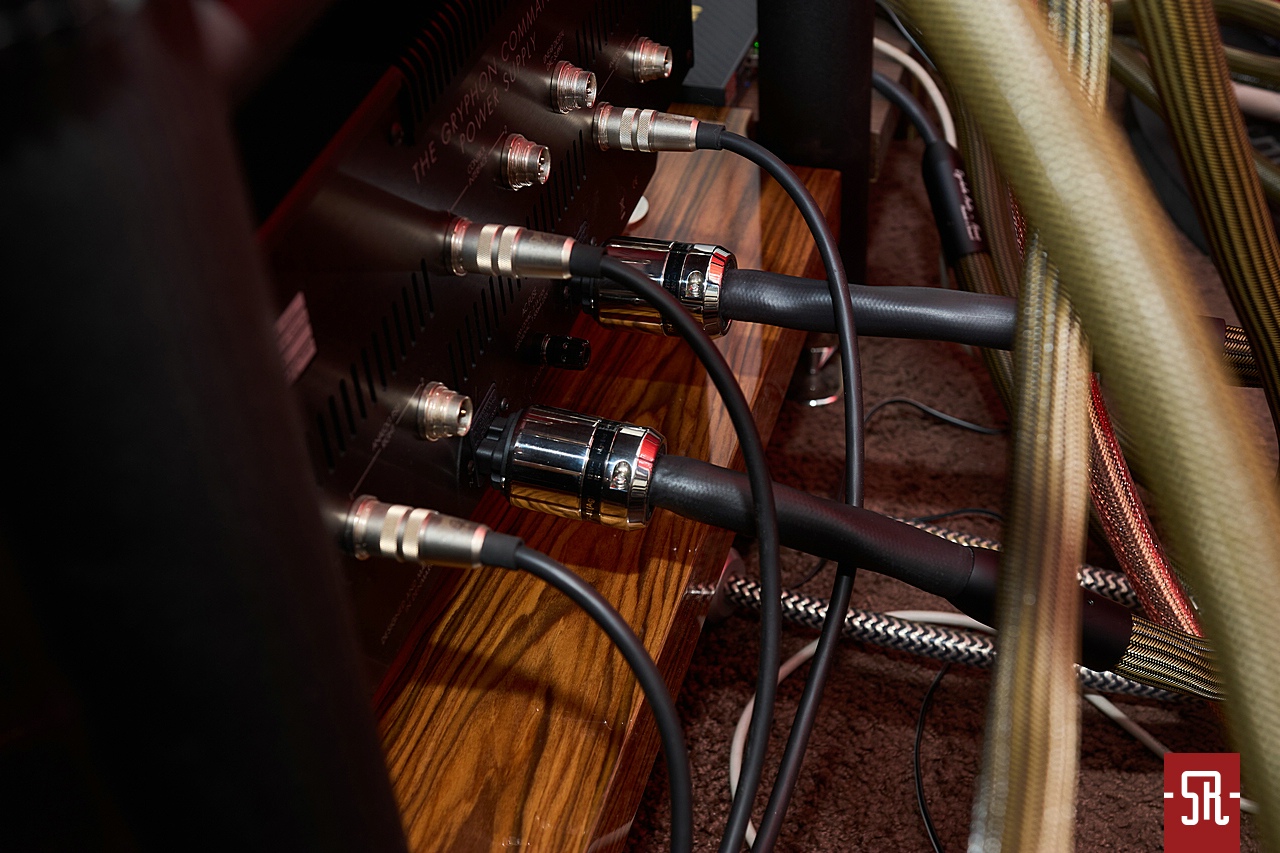
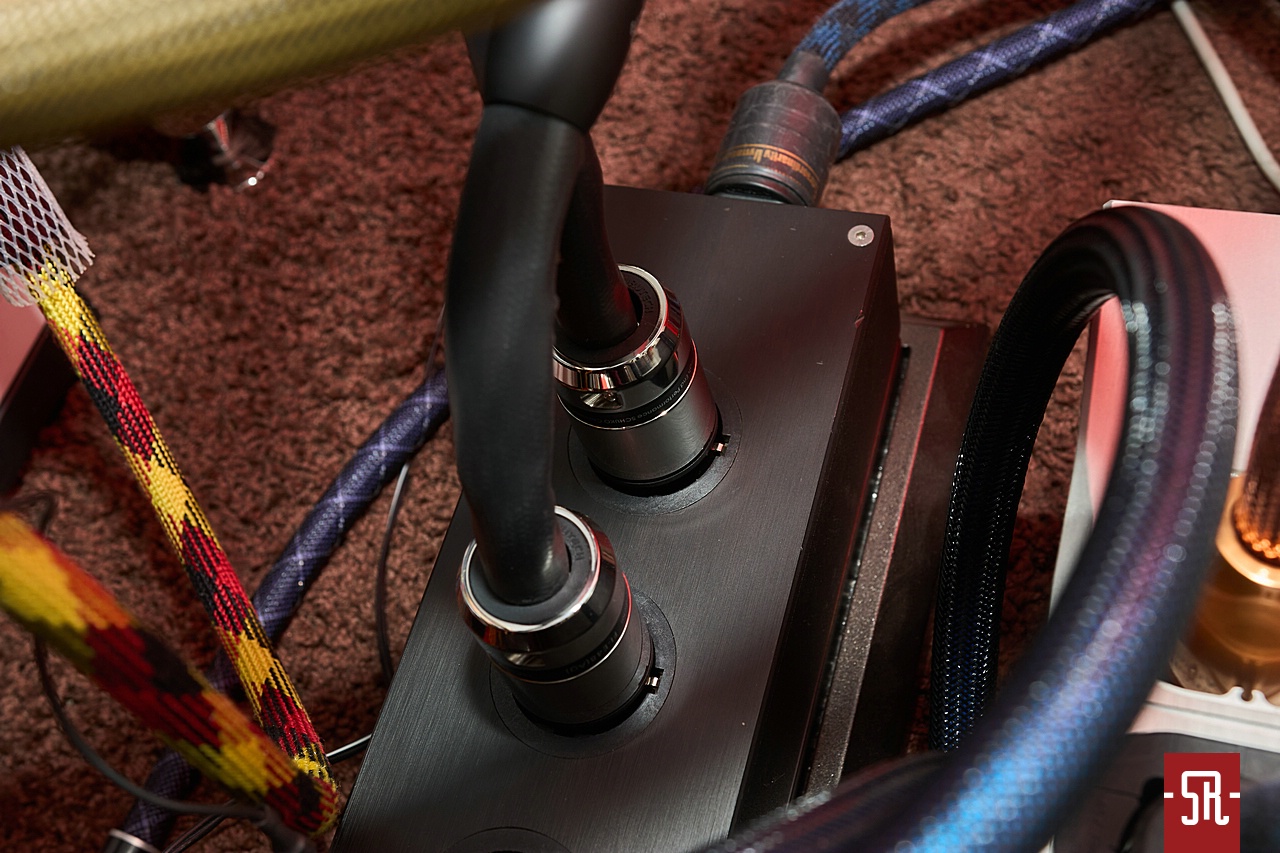
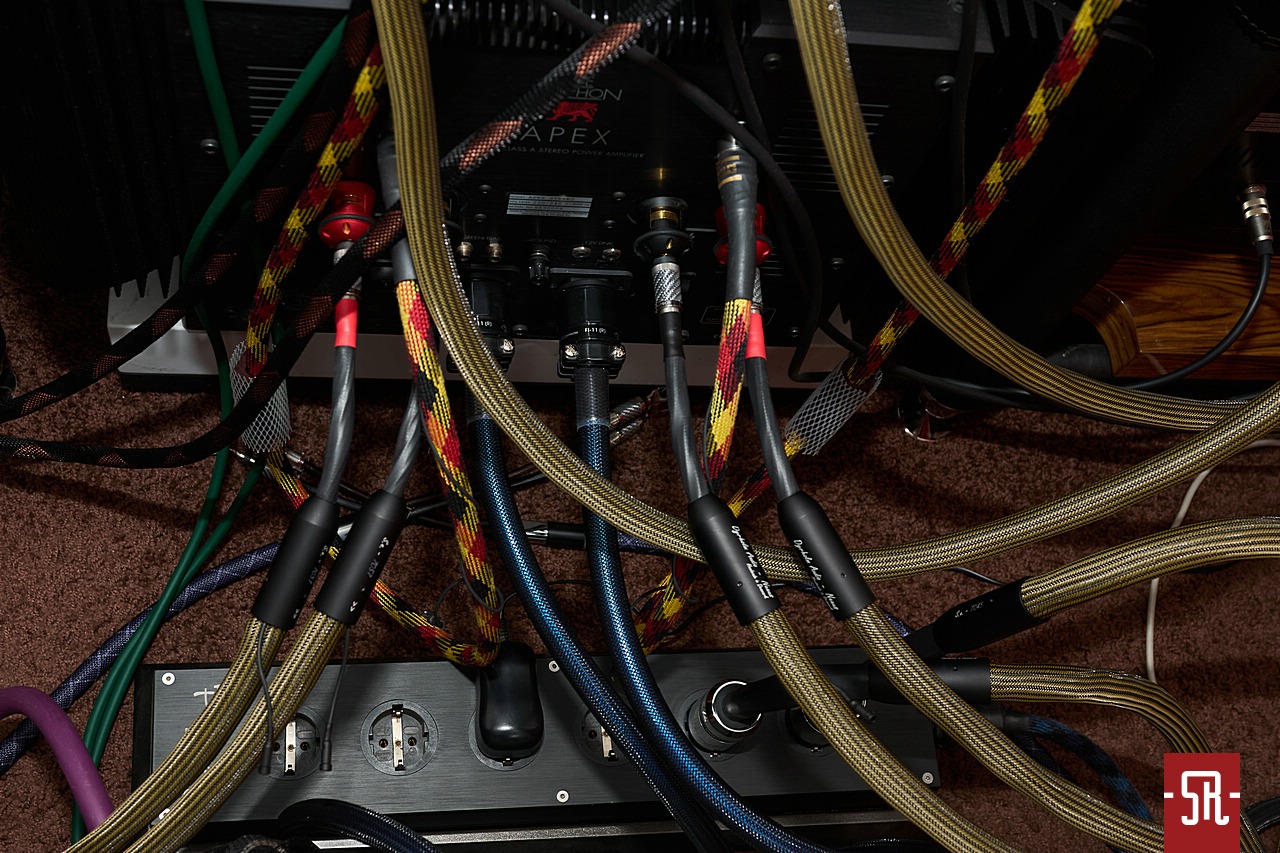
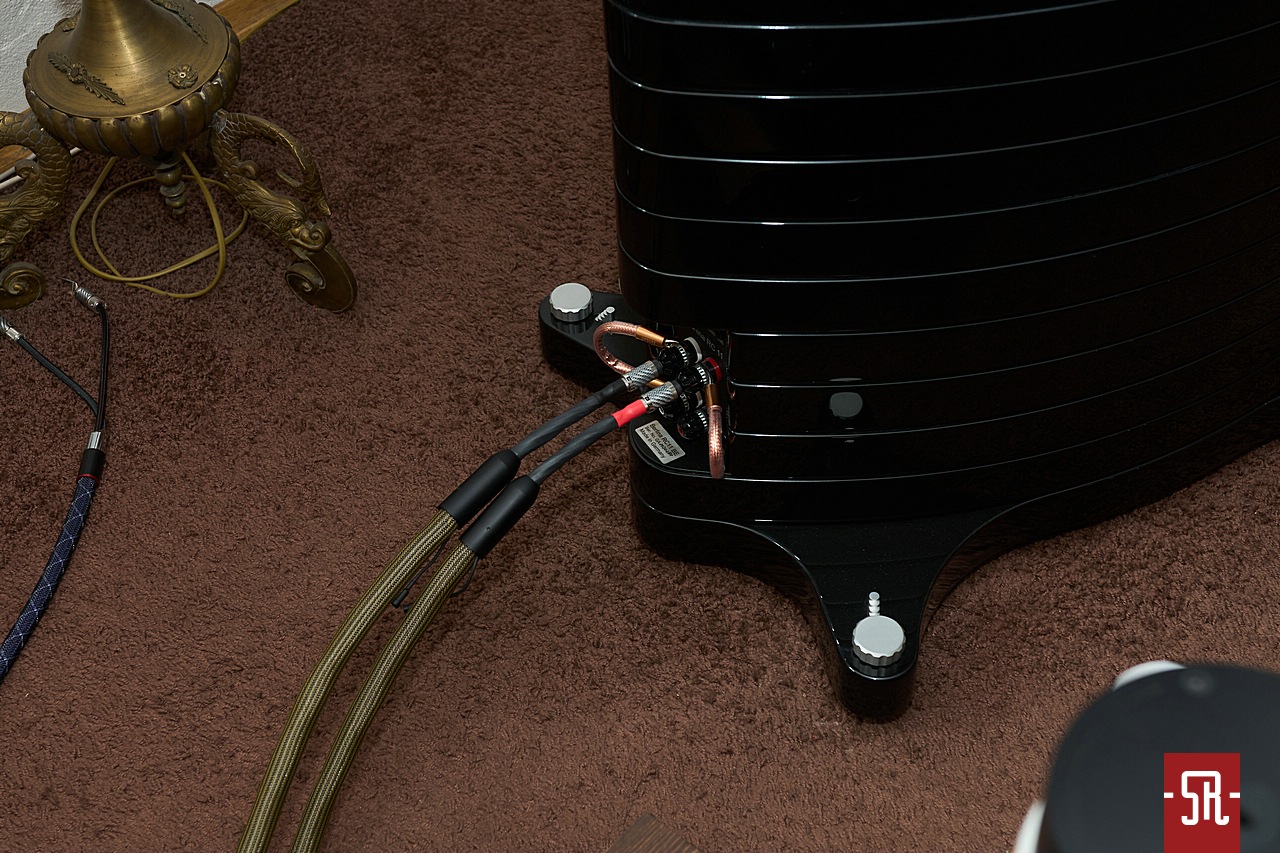
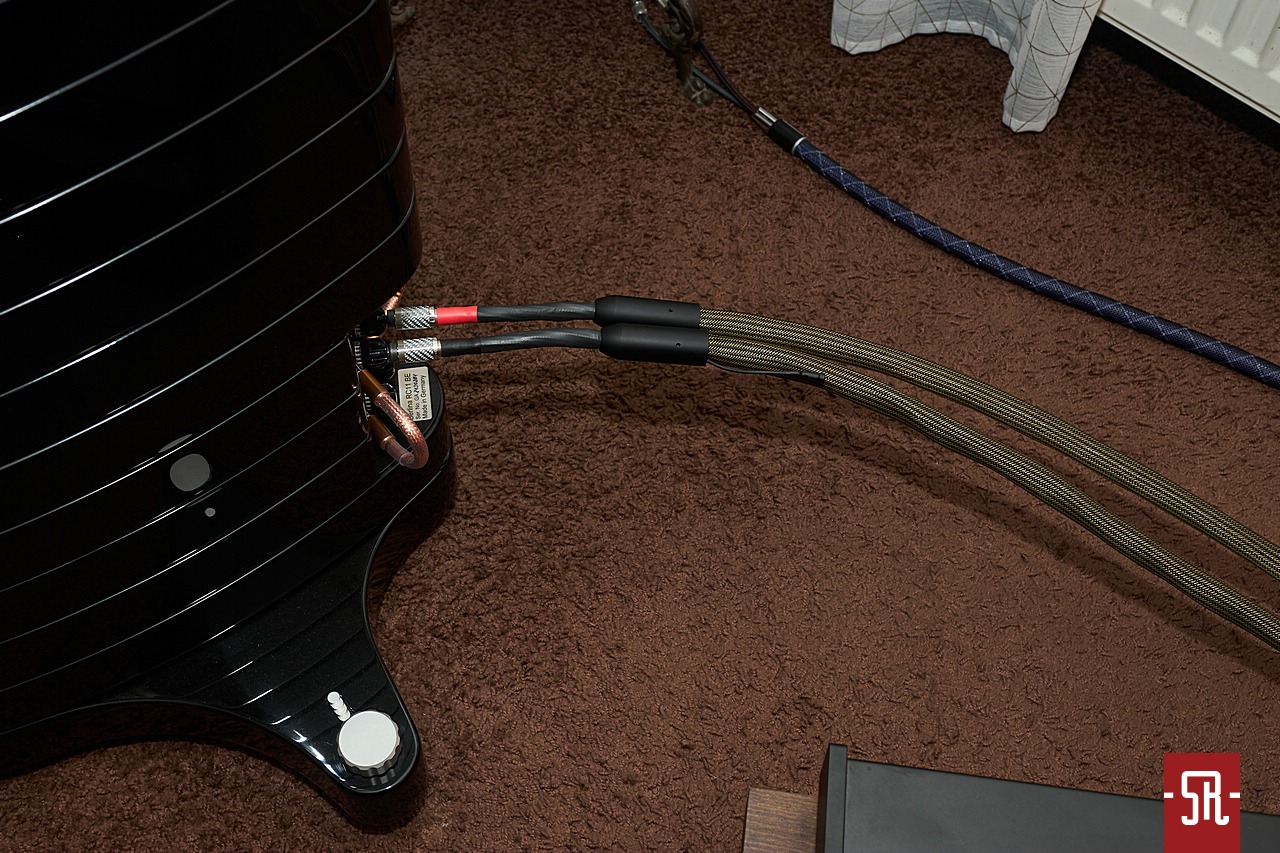
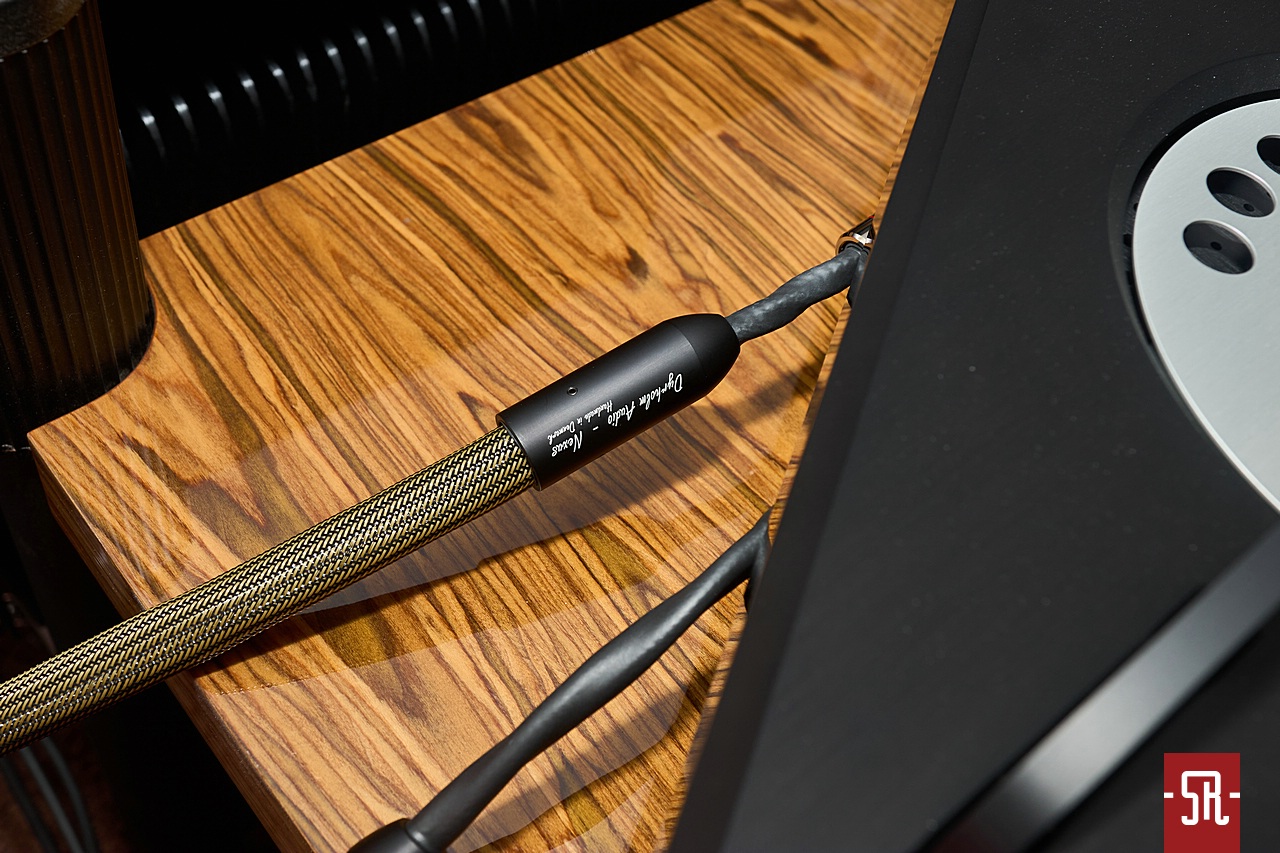
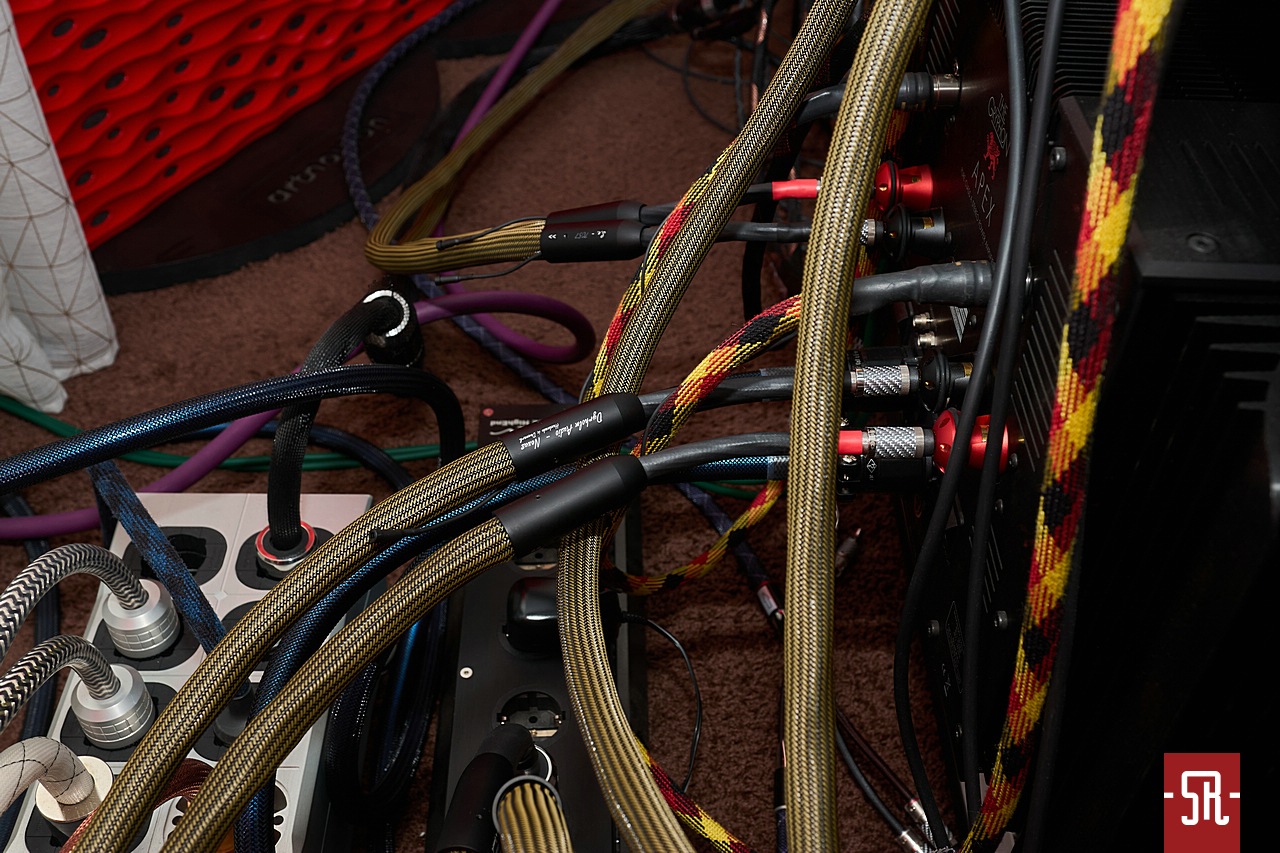
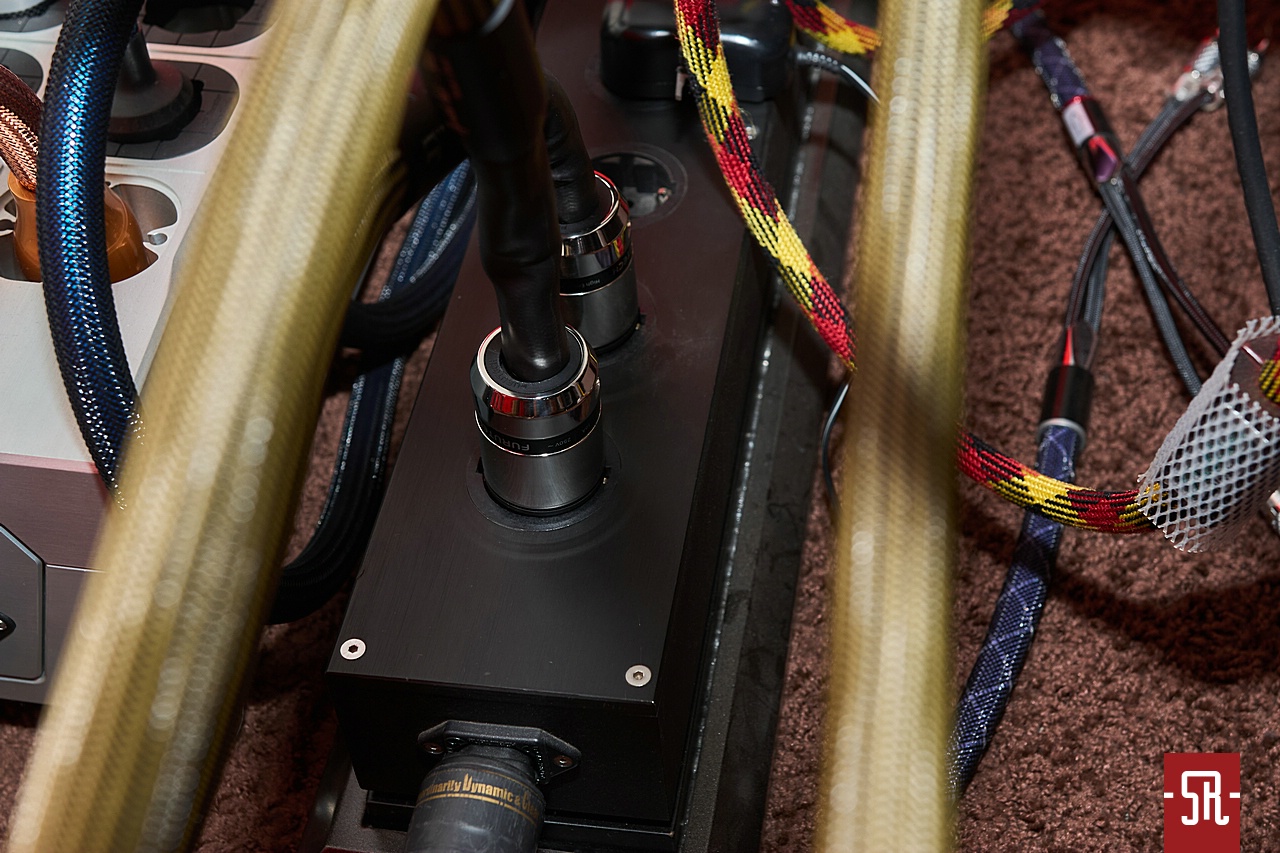
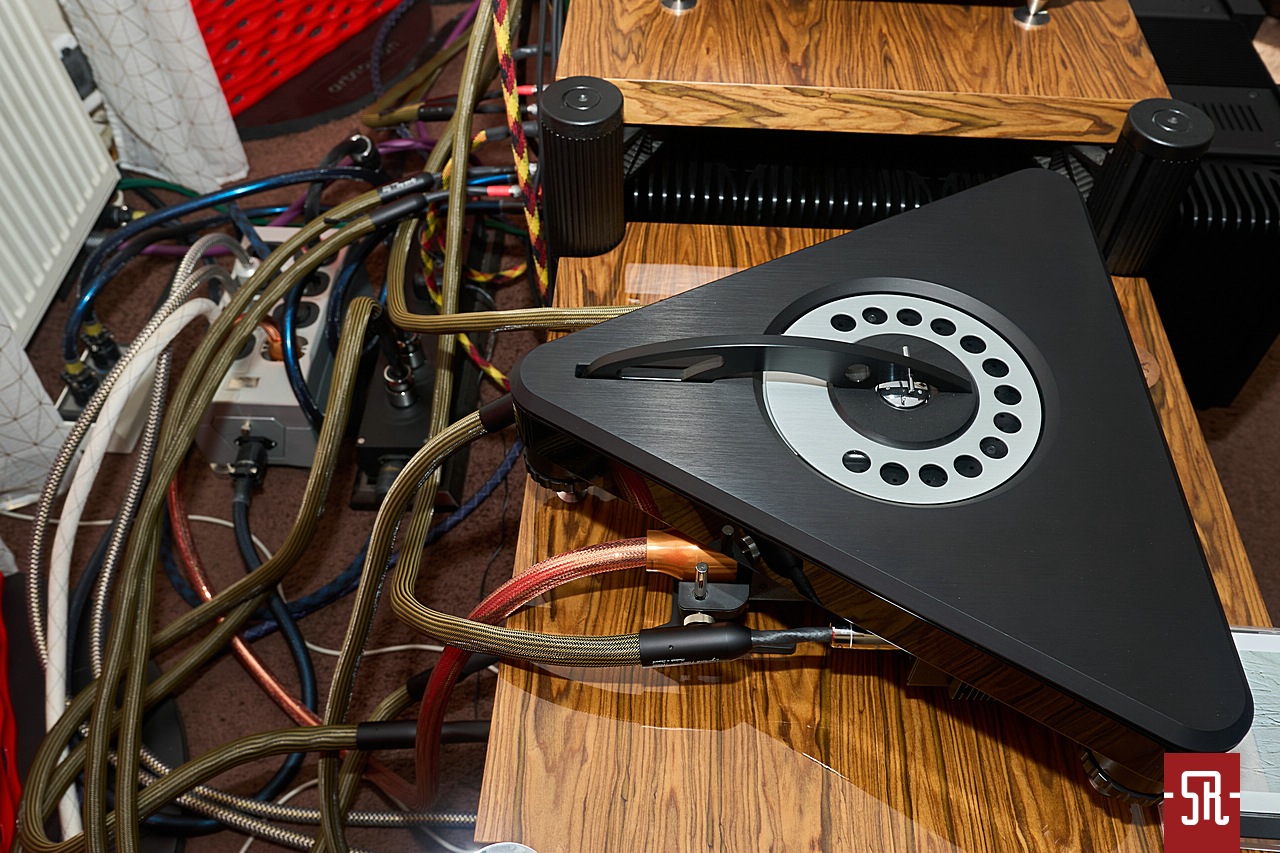
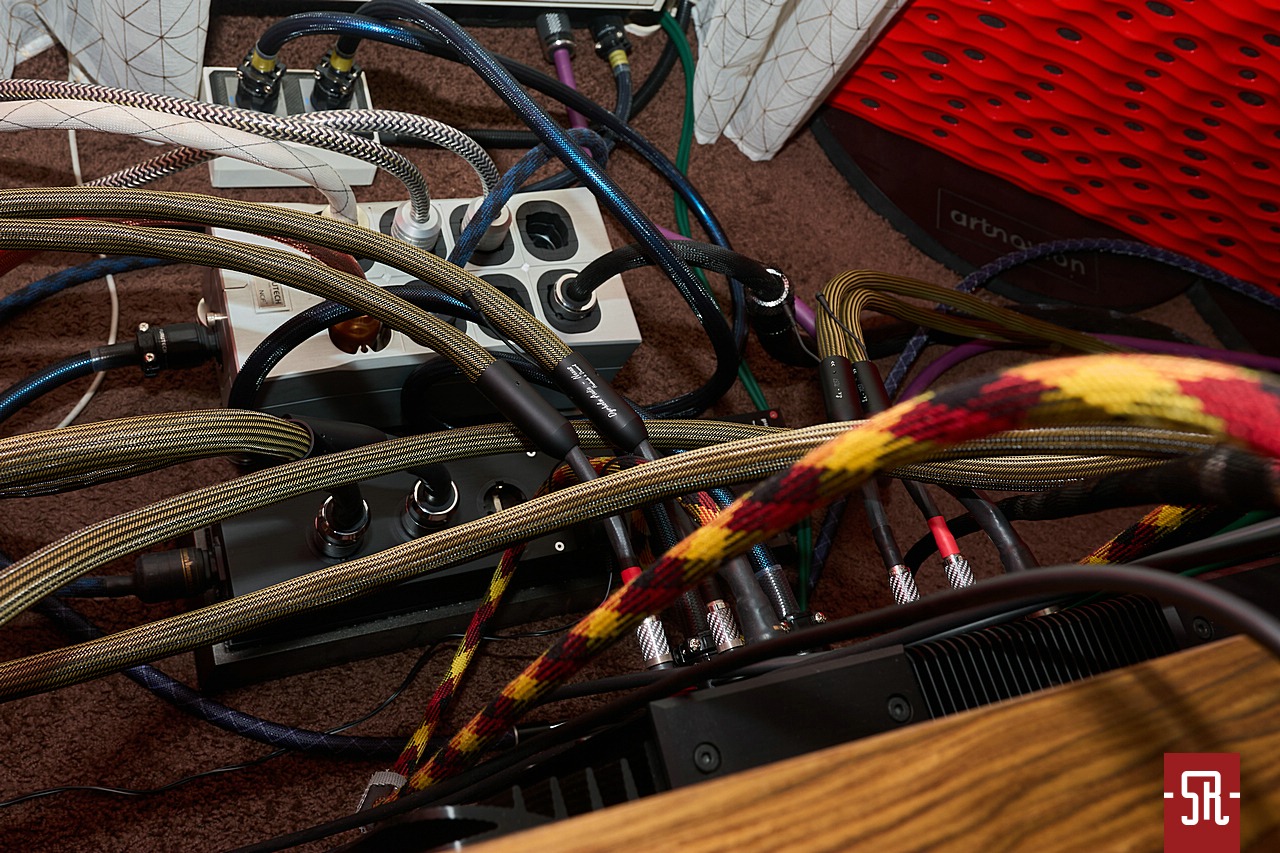
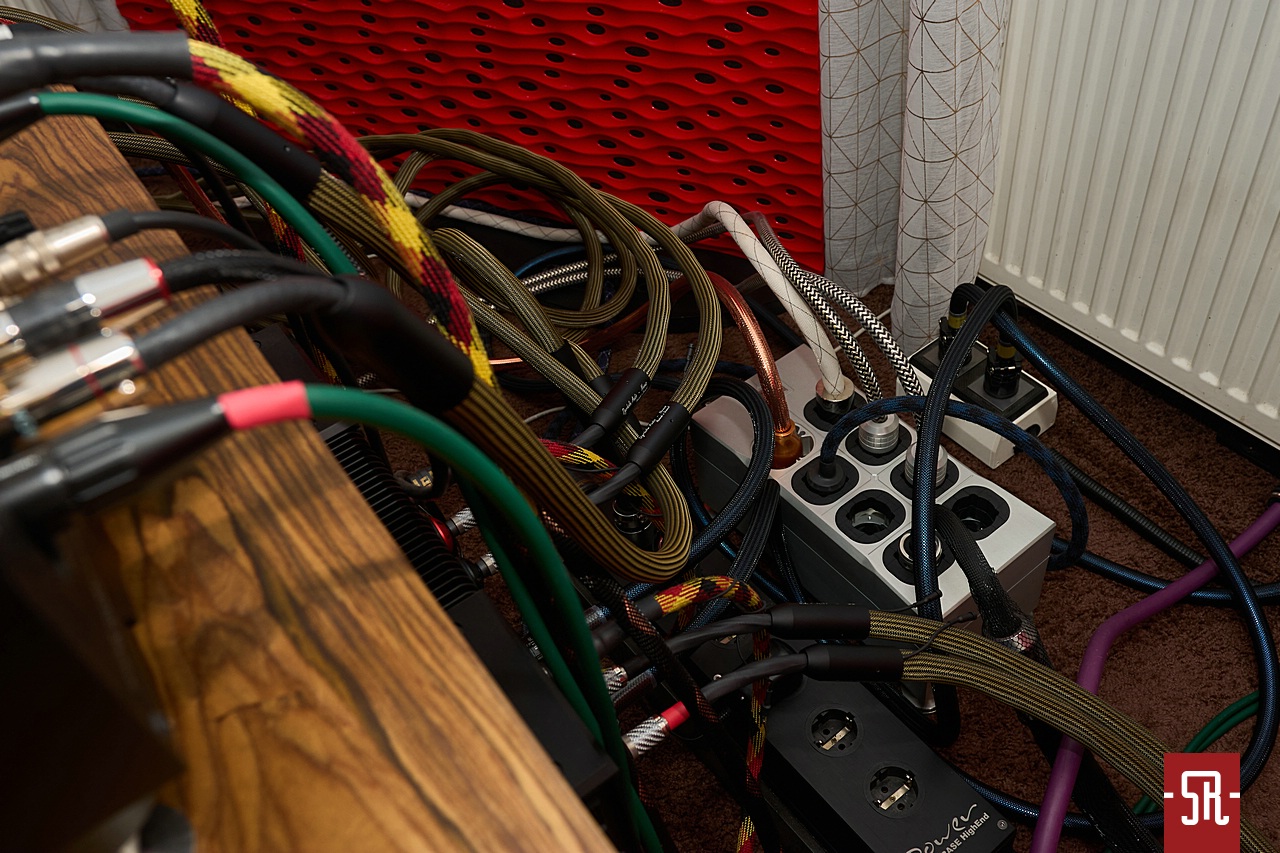
Writing a handful of information about the construction of XLR interconnects, it should be mentioned that the conductor is made of monocrystalline 6N+ silver wire. The internal geometry is based on double braiding of each of them and using undyed cotton to ensure that the conductors and screens are as far apart as possible. In the final stage of production, the conductors are sealed to protect them from possible oxidation. When it comes to shielding, the manufacturer uses tinned copper connected with the ground wire at the end of the output signal, thus ensuring complete elimination of noise in the signal. Taking care of the best possible sonic result, the brand has left the issue of terminating the described interconnects to the top ETI Coda plugs.
Moving on to the construction of the power cord, this time we are dealing with UPOCC monocrystalline copper wire as the conductor. The number of wires is also different, as here, according to the specifications on the manufacturer’s website, there are as many as 45 of them, similarly to the interconnect, separately braided with cotton. The grounding is carried out with the help of silver-plated OFC copper, and the whole thing is 100 percent sealed against oxidation, typical for the brand. Finally, the cable is fully shielded and terminated with Furutech NCF Ag series plugs.
The speaker cable, similar to a power cable, uses a UPOCC monocrystalline copper conductor. In this case, we have a package of 3 wires made of 42 separate conductors wrapped in cotton. Of course, the whole thing has also been protected against oxidation. The cable is shielded, and in addition, with the help of the included additional wires, it can be connected to the ground, thus minimizing signal noise and improving its cleanliness. Following in the footsteps of its predecessors, the speaker cable in the also uses plugs from Furutech’s NCF catalog.
How did my system behave after applying the above set of wiring? Well, very similar to digital, but with the difference that the change was audible to a slightly lesser extent. And this only because, as I mentioned, the file player, being a bit neglected by me, because it is not the main signal provider, did not have such perfectly selected wiring as the rest of the system. But I would like to point out that the differences in the size of the impact between the digital and analogue set on my puzzle were really small. So how exactly was the music during the test? Firstly, it offered great controlled energy coming from the depths of the lower range. Secondly, I got an essential midrange, but at the same time full of information and cool vibration. And thirdly, thanks to the procedures related to signal cleaning, mentioned in the descriptions of the construction of the cables, the vibrant treble played an important role in the presentation, giving the music momentum and breathing. By putting the above list together, the Dyrholm offered me with great drive of music, natural rendering of the midrange so important for the human ear and a vigorous treble; in a word, a multicolored life necessary to achieve joy while listening to music. And most importantly, a life that provides freedom of projection of the full spectrum of your record collection, from jazz experiments to the musical rebellion of aggressive metal.
The role of the first verifier of the system’s capabilities was played by the formation Motorhead with the album „Overkill”. As you know, it is a ruthless attack of crazy changes of rhythm, energy of successive phrases and musical brawl. And in order for such a set to show what the musicians really meant, the setup must not be limited not only in forming compact packages of well-controlled pulses with the lower range, but also in giving the whole presentation the right freedom in filling the room. Without the aforementioned components, i.e. at the moment of squeezing the sound to only form a beat rich in the amount of energy, but with the impediment of showing its components and without a general breath of visualizing a given material, we will get an unspecified variation on this type of creativity. Meanwhile, it is supposed to be a kind of virtuosity, because the artists want to whip us with their vision of the world of music in many areas. Sometimes with a strong impulse, massaging the bowels, and other times planned with loud vocals and guitar shows. And in this spirit, the world showed me a test-configured system. Alive, because once it hits the wall of sound, rich in the components of each of the sub-ranges. The effect was so phenomenal that there was no time for boredom, but a fully emotional entry into a very lively game.
When it comes to jazzmen’s performances, in order to check the effect of changes in the daily configuration, I reached for Joe Lovano’s latest album „Paramount Quartet”. This time it is the musical opposite of the gentlemen from crazy metal. It is a typical playing with the emotions of a romantic who goes deep into the material. And if so, it is known that in order to convey its spirit, it is very important to provide literally and figuratively each individual phrase with full-scale freedom in resonance, while providing it with the right amount of energy and vibration. Otherwise, we will kill the great joy that lies dormant in this music, contrary to appearances. I know something about it, because it is the apple of my eye, being an audiophile-music lover. An eye that was fully satisfied during the session with cables from Denmark in the sound path, because when the music required it, I was provided with appropriate lightness, sonority, and in other moments, when I was about to get hit with energy, it appeared as a feast of coherent individual vibrations. There were no averages, which showed that the tested cabling can create both an energetic and ethereal sound. So interesting that if I had not worked out this type of cabling beforehand, I would probably have contacted Dyrholm’s principals about leaving this set with me permanently. It was really the way I like it, which is lively and multicolored playing.
To whom would I dedicate the tested cable set from Denmark? I do not really see any contraindications for anyone. I realize that each system has a slightly different sonic result of the configuration applied in it. However, what the cables that are the hero of the test do is so universal and non-invasive in the sense of forcing one’s point of view on music at all costs that every searching individual who dabbles in our hobby should try them. For some, things will spark – so it will be great for others it just will not pop, but this result is also good, because you will be richer with a cool experience. However, the most important thing is that the experience is full of cool musical emotions, which is the most important goal of our audiophile game.
Jacek Pazio
System used in this test:
– CD Player/DAC: Gryphon Ethos
– Streamer: Lumin U2 Mini + switch QSA Red-Silver
– Preamplifier: Gryphon Audio Commander
– Power amplifier: Gryphon Audio APEX Stereo
– Loudspeakers: Gauder Akustik Berlina RC-11 Black Edition
– Speaker cables: Furutech Nanoflux-NCF Speaker Cable
– IC RCA: Hijiri Million „Kiwami”, Vermouth Audio Reference
– XLR: Hijiri Milion „Kiwami”, Furutech DAS-4.1, Furutech Project V1
– Digital IC: Furutech Project V1 D XLR
– Ethernet cable: NxLT LAN FLAME; Dyrholm Audio Nexus
– USB cable: ZenSati Silenzio; Dyrholm Audio Nexus
– Power cables: Hijiri Takumi Maestro, Furutech Project-V1, Furutech DPS-4.1 + FI-E50 NCF(R)/ FI-50(R), Furutech Evolution II, Hijiri Nagomi, Vermouth Audio Reference Power Cord, Acrolink 8N-PC8100 Performante, ZenSati Angel
Table: BASE AUDIO 2
Accessories: Quantum Science Audio Red fuse; QSA Silver fuse; Synergistic Research Orange fuse; antivibration platform by SOLID TECH; Harmonix AC Enacom Improved for 100-240V
– Power distribution board: Power Base High End, Furutech NCF Power Vault-E
– Acoustic treatments by Artnovion
Analog stage:
– Drive: SME 60
– Cartridge: My Sonic Lab Signature Diamond
– Phonostage: RCM Audio The Big Phono
– Clamp: Omicron Luxury Clamp
– Eccentricity Detection Stabilizer: DS Audio ES-001
– Tape recorder: Studer A80
Manufacturer: Dyrholm Audio
Prices
Dyrholm Audio Nexus XLR: 5 795€ / 1m; 6.715 / 1,5m; 7 635€ / 2m
Dyrholm Audio Nexus Speaker: 11 855€ / 2m; 13 505€ / 2,5m; 15 150€ / 3m
Dyrholm Audio Nexus Power: 5 270€ / 1,2m; 5 530€ / 1,5m; 5 790€ / 1,8m; 6 320€ / 2,4m

