Dyrholm Audio Nexus USB & Ethernet English ver.

Opinion 1
It is hardly surprising that since the world in which we live has shrunk to the proverbial „global village”, where distance is most often counted by time zone changes and related delays in electronic correspondence, the market of all kinds of goods is trying to adapt to these changes. Popular fashion chains, seemingly inseparable from the landscape of shopping centers, are gradually liquidating their stationary shops and moving to the Internet, manufacturers of household appliances/electronics are investing more and more boldly in their own online stores, and in fact, for the lion’s share of consumers, it is less and less important whether they shop locally or on the other side of the globe, since delivery is usually free and instant, whether he website is available in an understandable dialect, or translated on the fly by the browser, and the possible return is more convenient than, until recently, in a conventional store. And although it might seem that, due to its specificity, the Hi-Fi/High-End industry will use the benefits of E-commerce at most to sell the smaller goods – non-binding accessories and budget cabling, yet only a few (ten) years after the spread of broadband Internet, not only dealers/distributors, but also audio manufacturers themselves see e-commerce as a chance to stay afloat. In fact, some manufacturers are giving up global distributor networks, putting everything on one card – making the sales not only electronic, but also direct to consumer (the so-called B2C model). Madness? Not necessarily. After all, in order to be sure of the accuracy of the choices made, you will need to listen in your own four corners and in your own system anyway, and in addition, shortening the supply chain by a step or two (distributor/dealer/store) allows you to noticeably reduce prices by removing distributor and store margins. And this is the path chosen by the Danish manufactory Dyrholm Audio, from whose portfolio we have the pleasure to extract and at the same time have a closer look at the representatives of the latest reference series, Nexus, the culmination of two decades of struggle with the subject matter. However, in order to dose these pleasures, digital cables – USB and Ethernet – come first, and we will take care of their analogue siblings in due time.
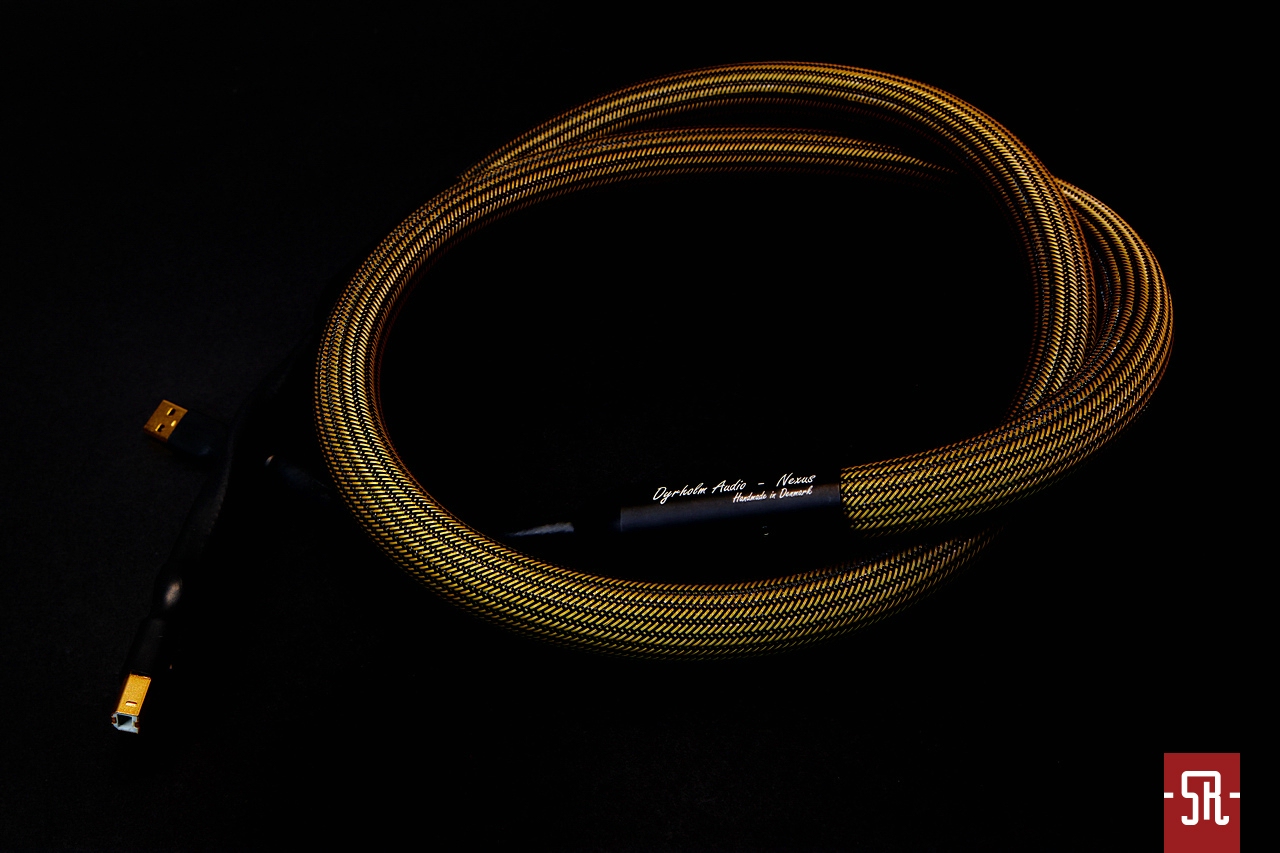
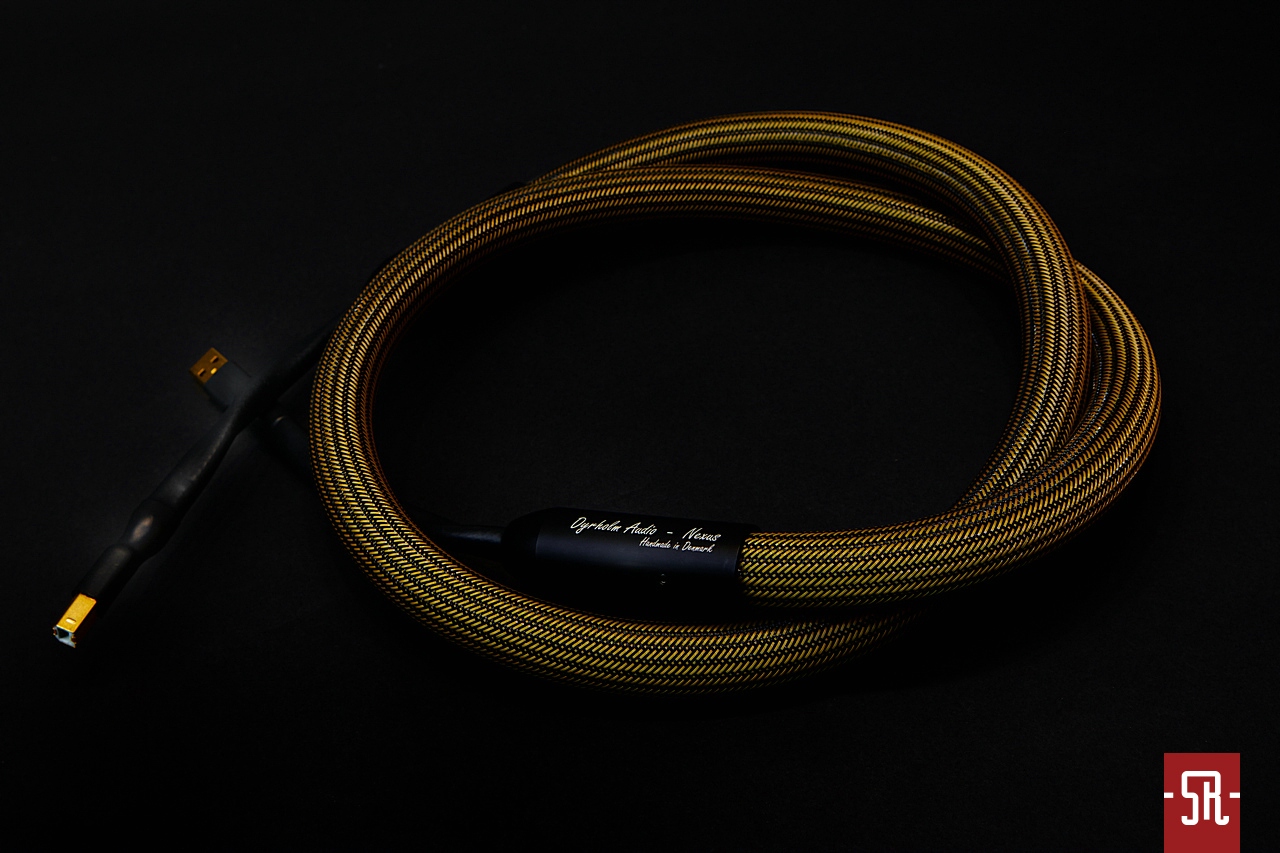
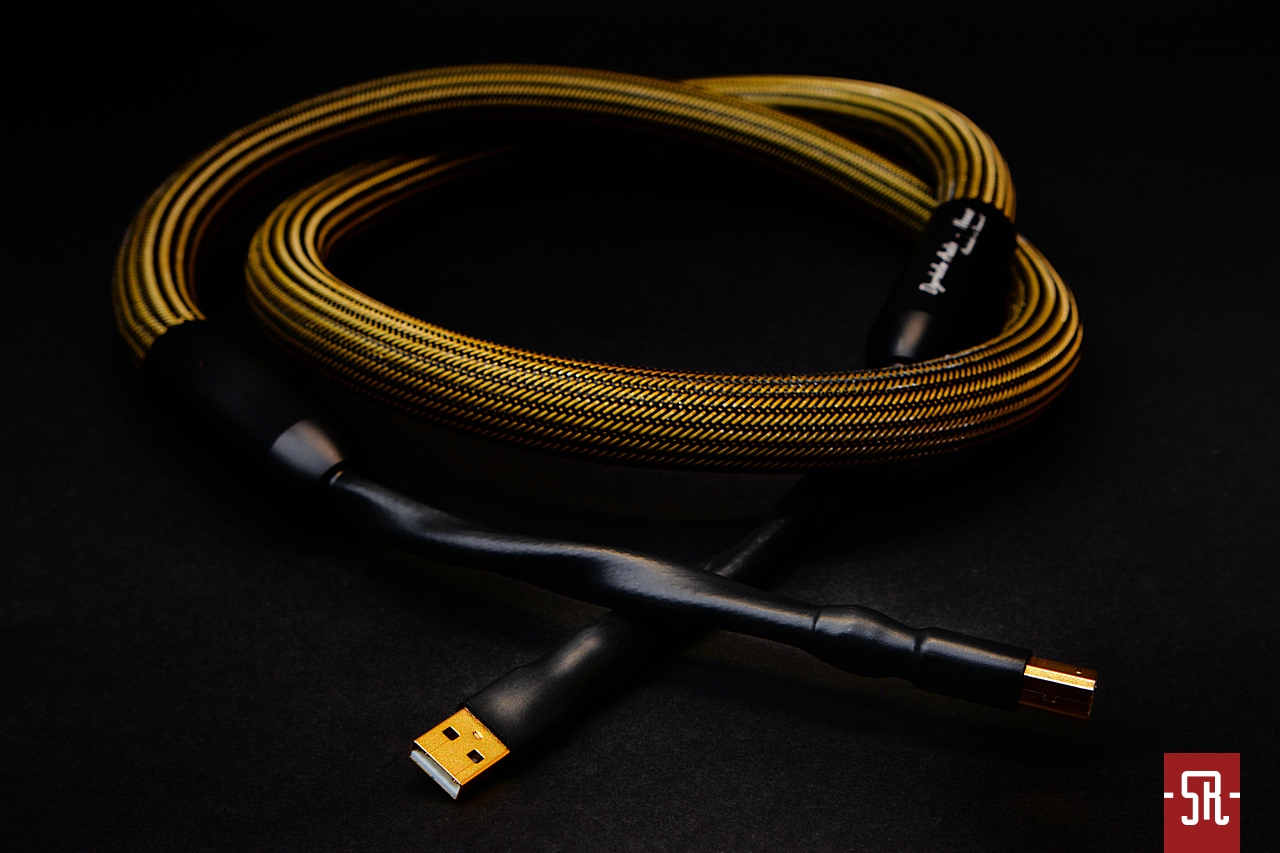
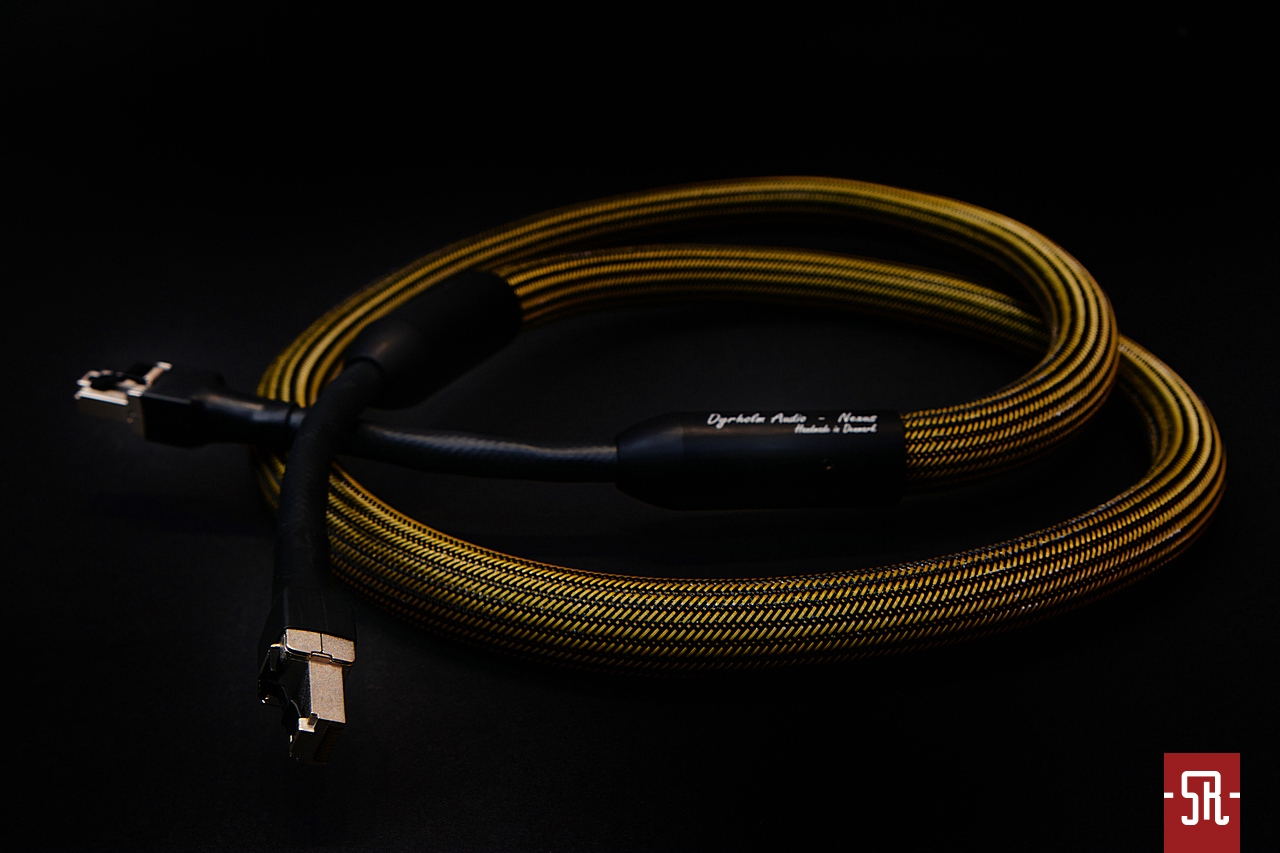
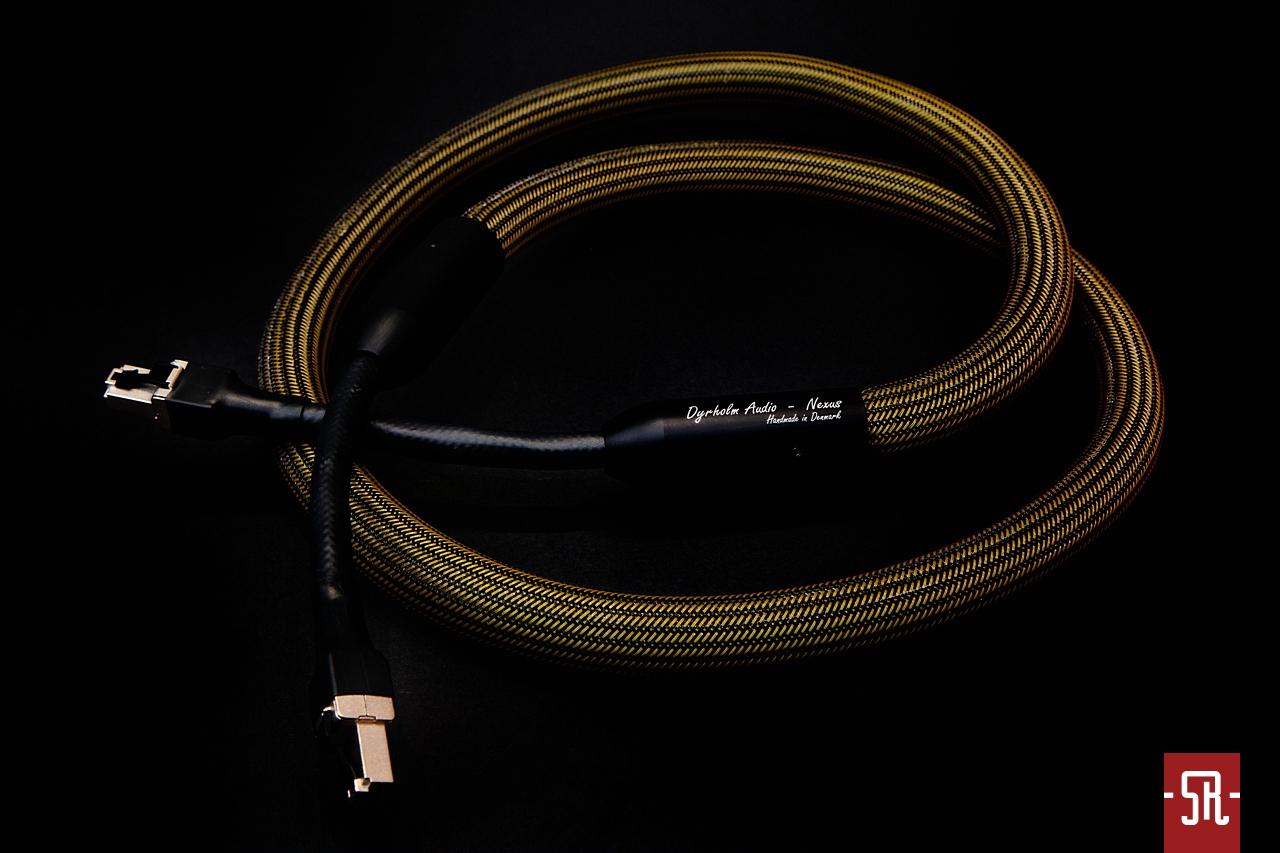


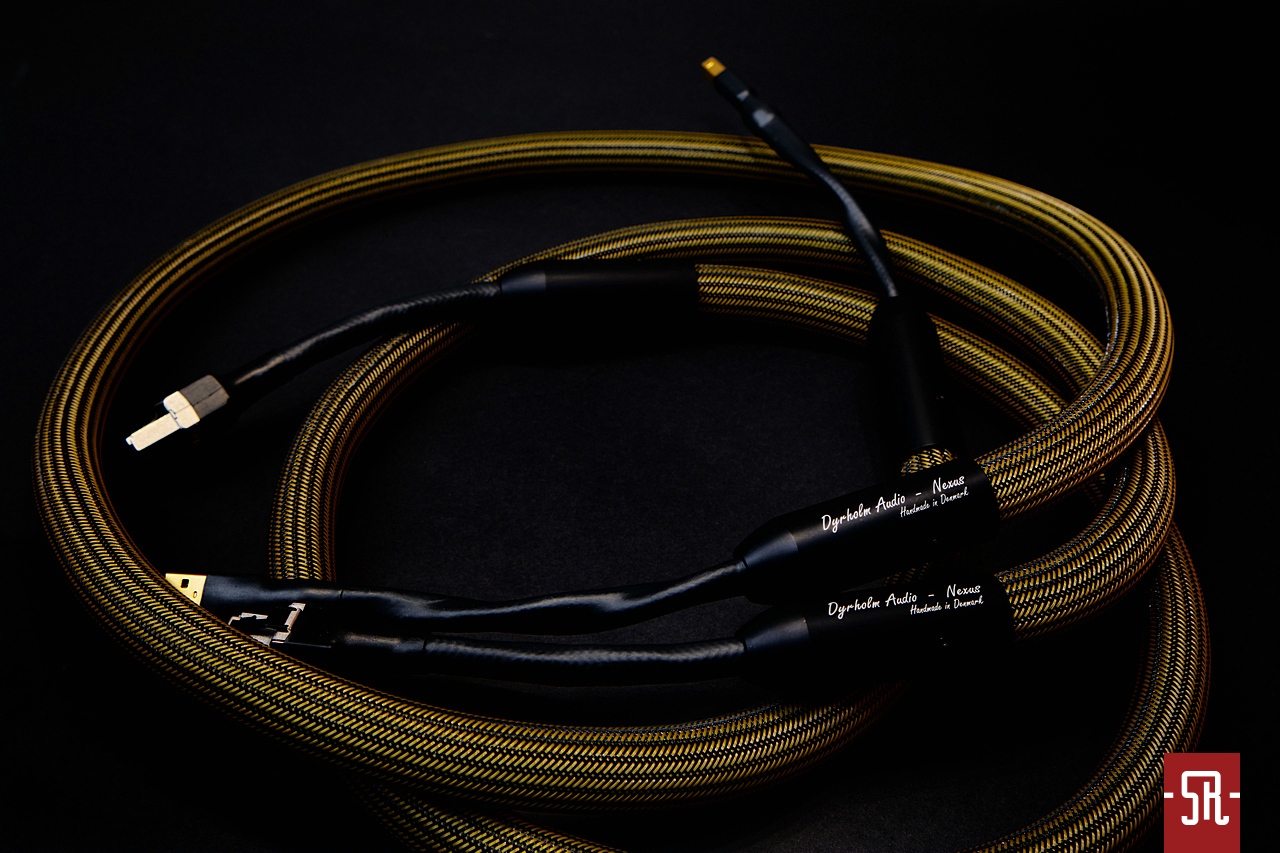

Looking back at our previous encounters with the effects of John Dyrholm’s metallurgical work, let me note that while the issue of packaging – elegant, but quite modest cardboard suitcases remains unchanged, the progress in the design of the cables themselves is as noticeable as it is indisputable. To put it bluntly, the Nexus, dressed in olive-green-black textile braids, look extremely gorgeous. Having a quite large diameter, although they come a bit short of the ZenSati #X in these terms, it is reduced near the ends with black anodized aluminum bushings with printed information about the manufacturer, model and … directivity. Both cables are covered by a 5-year warranty, and the buyer is also entitled to return them within 4 weeks if they do not meet the hopes placed in them.
From pure usability, it is worth mentioning that USB is available in lengths of 1 – 2 m and the Ethernet cable in 1 – 3 m, although if someone has different requirements, due to the fact that each copy is made to a specific order, there should be no problems with obtaining a different length. And when it comes to anatomy, in the USB connector, the signal cores are made of the purest UPOCC silver available (6N+) and the power wires are made of UPOCC copper. Of course, all conductors are 100% protected against oxidation, and the signal section is practically completely separated from the power supply one – both „buses” are separate, shielded runs in an outer sleeve filled with anti-resonance foam, converging just before the gilded copper plugs. The Ethernet cable, on the other hand, is made of eight (four pairs) of 6N+ monocrystalline silver wires that are 100% oxidation-protected and braided with unbleached cotton insulation. Unlike most high-end competitors, the massive plugs do not come from the Telegärtner catalog, but from Wireworld.
As most readers have certainly noticed, we are not so much struggling with an embarrassment of riches, because as you know plenty is no plague, but we can safely talk about a surprising abundance of all kinds of accessories and wiring representing the broadly understood digital domain. Various filters (Aardvark Isolator Classic & Ultra, AB-Tech STILL) and connectors (TIGLON TPL-3000L-WT (White Tiger), Luna Cables Gris, Stealth Audio Black Magic Ultra T-Select (test coming soon) run through our systems, and despite the ecstatic reactions of the cable-skeptics that negate their influence on the sound of devices connected, noticeable sonic changes are caused by their appearance in the audio path, about which we regularly inform you on our pages. It was no different with the title duo, which focused on dynamics, spontaneity and bluntness of the sound, which is the opposite of veiling. I will only point out right away that this bluntness has nothing to do with crude aggressiveness, offensiveness, or forcibly pushing the sound in front of the speakers, but only means an extraordinary expressiveness of reproduction. In the sound of the Dyrcholms, there is not even a trace tendency to distance themselves from the reproduced material. They go all out, and, without taking prisoners, they present the listener with a fait accompli – music in the form in which it sounds best – native, primordial and unlimited both dynamically and spatially. Spectacular? In fact, it is enough to reach for Japanese soundtracks, e.g. to „Original Drama W KAIBUTSU” by Takashi Ohmama & Tatsuhiko Saiki or „魔都精兵のスレイブ2” („Chained Soldier 2”) by Kohta Yamamoto to feel the breathtaking, truly Hollywood momentum and the lack of any bottlenecks and cataracts that can disrupt the fast stream of data. However, it is not only the scale and extensiveness of the stage that draws attention, but also the precision of the gradation of the plans that create it. Here, not only quantity but also quality matters, so in addition to volume, the detail is crucial, even the smallest one, existing at the level of „plankton” and dust particles sparkling on the stage illuminated by spotlights. Interestingly, this „extensiveness” is also perfectly audible where things are about … silence. The minimalist and even contemplative „Sounds of Mirrors” by Dhafer Youssef, although still full of concentration, with the Dyrholms the mystery ceases to be a miniature and evolves into a form that absorbs listeners, a kind of galaxy of magical and at the same time extremely well-defined sounds, suspended in the velvety black immensity of space. The timbres are crisp, bright and juicy, but at the same time not oversaturated or too warm, so even Queen Latifah on „Trav’lin’Light” does not look candy-like, but only silky smooth and sensually lazily oozing her stories. The low timbre of the voice, phenomenal articulation and discreet accompaniment „on the Dyrholms” sound complete, elegant and at the same time extremely engaging, showing that even from commercial recordings it is possible to obtain excellent results, when sufficient care is given to the digital sound path.
As a summary, I will allow myself a small excuse and at the same time an explanation of the reason why I described both wires together and not each separately. Well, already during the accommodation period, it turned out that their impact on my system was identical, that is, to put it bluntly, the audibility of either USB or Ethernet connectors was not only perfectly noticeable, but also repetitive. Therefore, instead of duplicating the observations made during the listening, I reduced them to a common denominator. So if you are wondering whether it is worth „entering” the digital Dyrholms from the reference Nexus series, all you have to do is reach for one of the tested connectors and everything will become clear. At the same time, I will immediately reassure everybody who is afraid of excess and/or oversaturation of the „Danish signature”, because I have not observed anything like this with the full digital wiring of the system I have, and the only thing that can happen to you with the title duo, is the elimination of the „foreign element” – a difficult to predict reaction to a cable from another stable. The point is that with the USB & Ethernet set, you will not get anything more than what each of the connectors is able to show separately, but simply 100% of what John Dyrholm wanted to include in the Nexus series. That is all and that is it.
Marcin Olszewski
System used in this test
– CD/DAC: Vitus Audio SCD-025 Mk.II + 2 x Quantum Science Audio (QSA) Blue Fuse
– Network player: Lumïn U2 Mini + Farad Super3 + Farad DC Level 2 copper cable + Omicron Magic Dream Classic; I-O Data Soundgenic HDL-RA4TB
– Turntable: Denon DP-3000NE + Denon DL-103R + Omicron Decoupler Clamp
– Phonostage: Tellurium Q Iridium MM/MC Phono Pre Amp
– Digital source selector: Audio Authority 1177
– Integrated amplifier: Vitus Audio RI-101 MkII + Quantum Science Audio (QSA) Violet fuse
– Loudspeakers: AudioSolutions Figaro L2 + Solid Tech Feet of Balance + zwory ZenSati Angel
– IC RCA: Furutech FA-13S; phono NEO d+ RCA Class B Stereo + Ground (1m)
– IC XLR: VLAD Audio Epitome XLR; Furutech DAS-4.1; WK Audio TheRed XLR
– Digital IC: Fadel art DigiLitz; Harmonic Technology Cyberlink Copper; Apogee Wyde Eye; Monster Cable Interlink LightSpeed 200
– USB cables: Wireworld Starlight; Vermöuth Audio Reference USB; ZenSati Zorro
– Speaker cables: WK Audio TheRed Speakers mkII + SHUBI Custom Acoustic Stands MMS-1
– Power cables: Esprit Audio Alpha; Furutech FP-3TS762 / FI-28R / FI-E38R; Organic Audio Power + Furutech CF-080 Damping Ring; Furutech Evolution II Power; 3 x WK Audio TheRed Power
– Power distribution board: Furutech e-TP60ER + Furutech FP-3TS762 / Fi-50 NCF(R) /FI-50M NCF(R)
– Wall power socket: Furutech FT-SWS-D (R) NCF
– Switch: QSA Red + nóżki Silent Angel S28 + Farad Super6 + Farad DC Level 2 copper cable
– Ethernet cables: In-akustik CAT6 Premium II; Audiomica Laboratory Anort Consequence, Artoc Ultra Reference, Arago Excellence; Furutech LAN-8 NCF; Next Level Tech NxLT Lan Flame; TIGLON TPL-3000L-WT (White Tiger)
– Anti-vibration platform: Franc Audio Accessories Wood Block Slim Platform
– Table: Solid Tech Radius Duo 3
– Acoustic panels: Vicoustic Flat Panel VMT
Opinion 2
When you use our search engine, you will easily see that we have been exploring the portfolio of the Dyrholm Audio brand, which is the hero of today’s epistle, for several years now. And I would not be completely honest if I did not say that every meeting, apart from the sonic diversity of each tested series, has always been a fun adventure with music in the background. Regardless whether we are talking about the Phoenix, Draco or Vision series, each time the system showed interesting nuances offered by each of them. What are they? Naturally, I will not artificially dilute the text, because you will find everything in the relevant entries, especially since today we will deal with the flagship series of the mentioned brand. And it will be, provided by the Danes at their own expense – in order to minimize the prices of products for the end customer, this year the brand has switched to a very convenient direct sales system – a digital cabling package of the top Nexus line in the form of a USB and Ethernet cable. Curious about what this clash will bring? If so, there is nothing else left for you to do but spend a few minutes reading the following paragraphs, to reveal a bit of the mystery. I will add that the text below finished for me in a surprisingly interesting way.
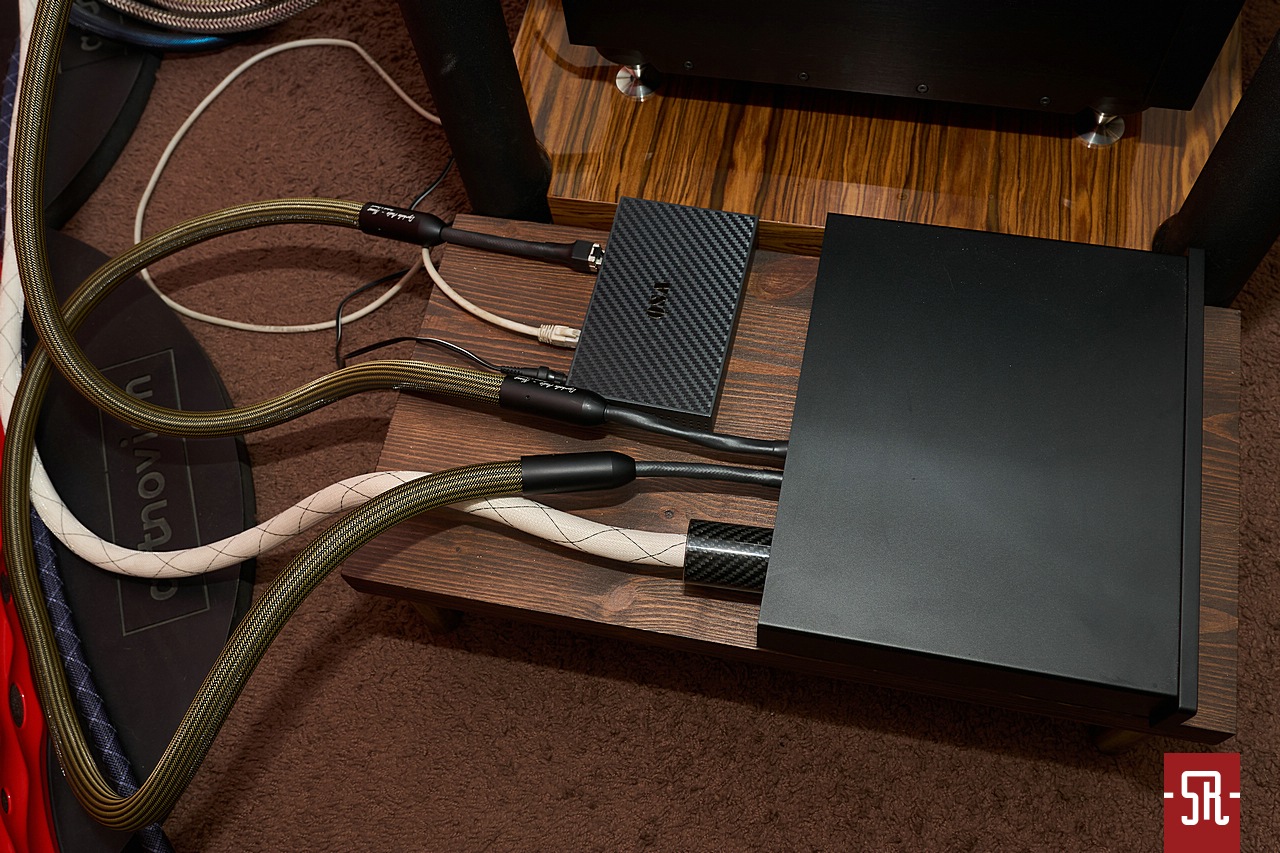
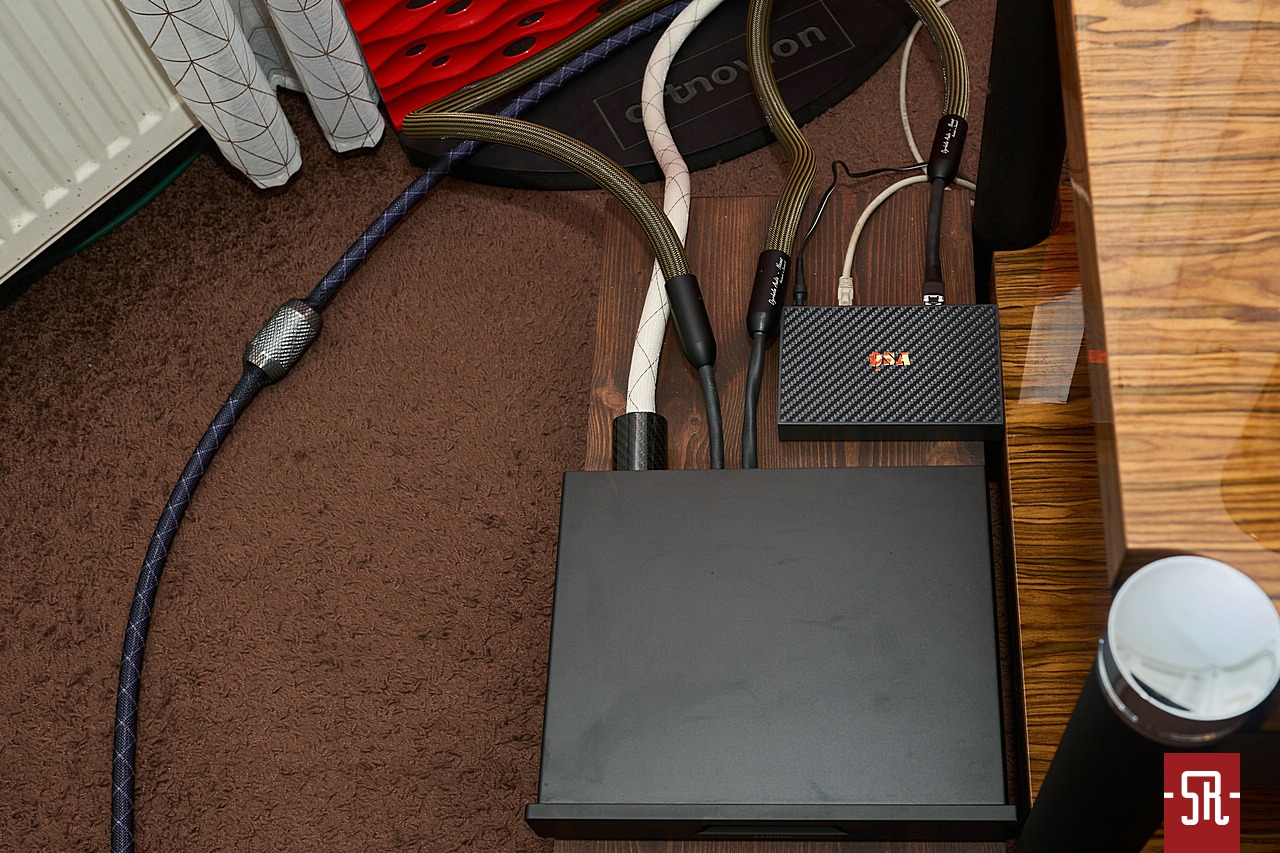

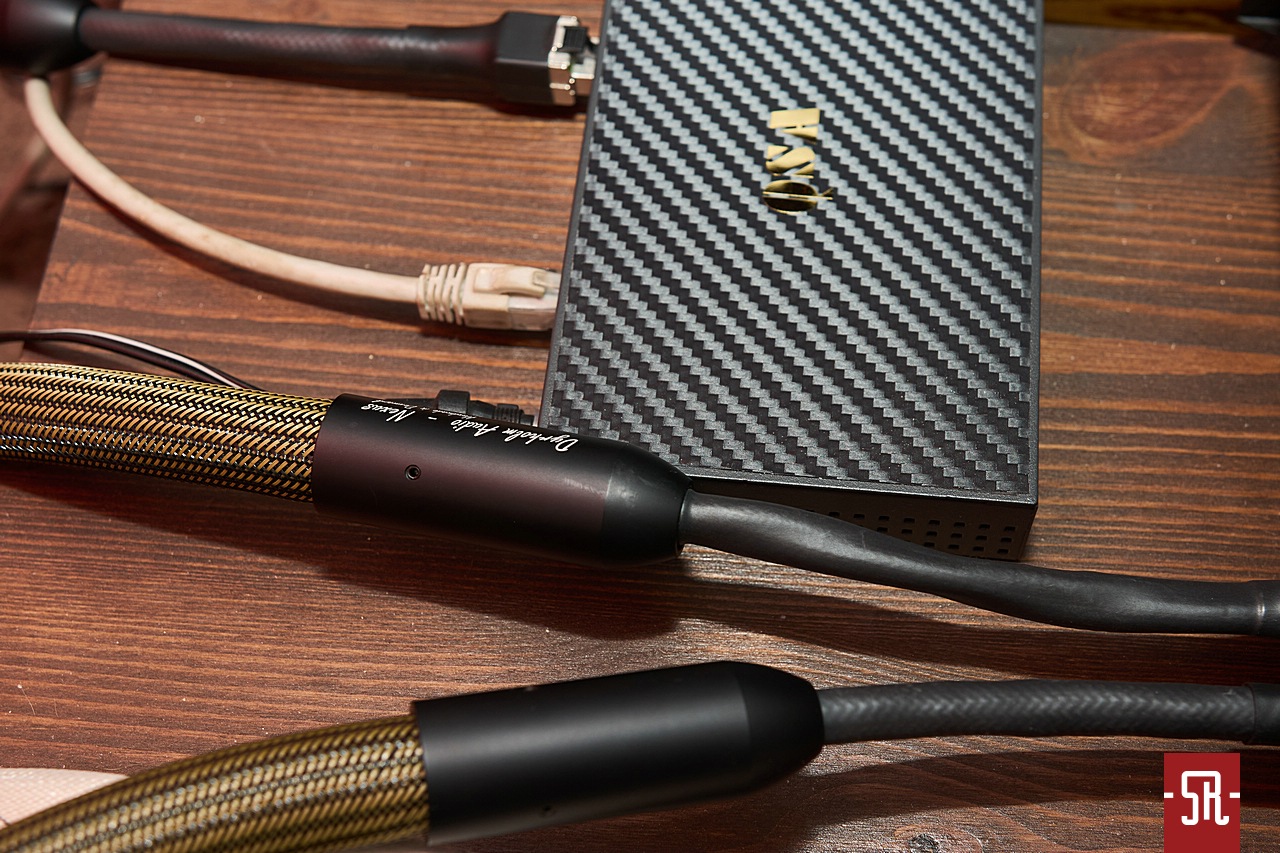

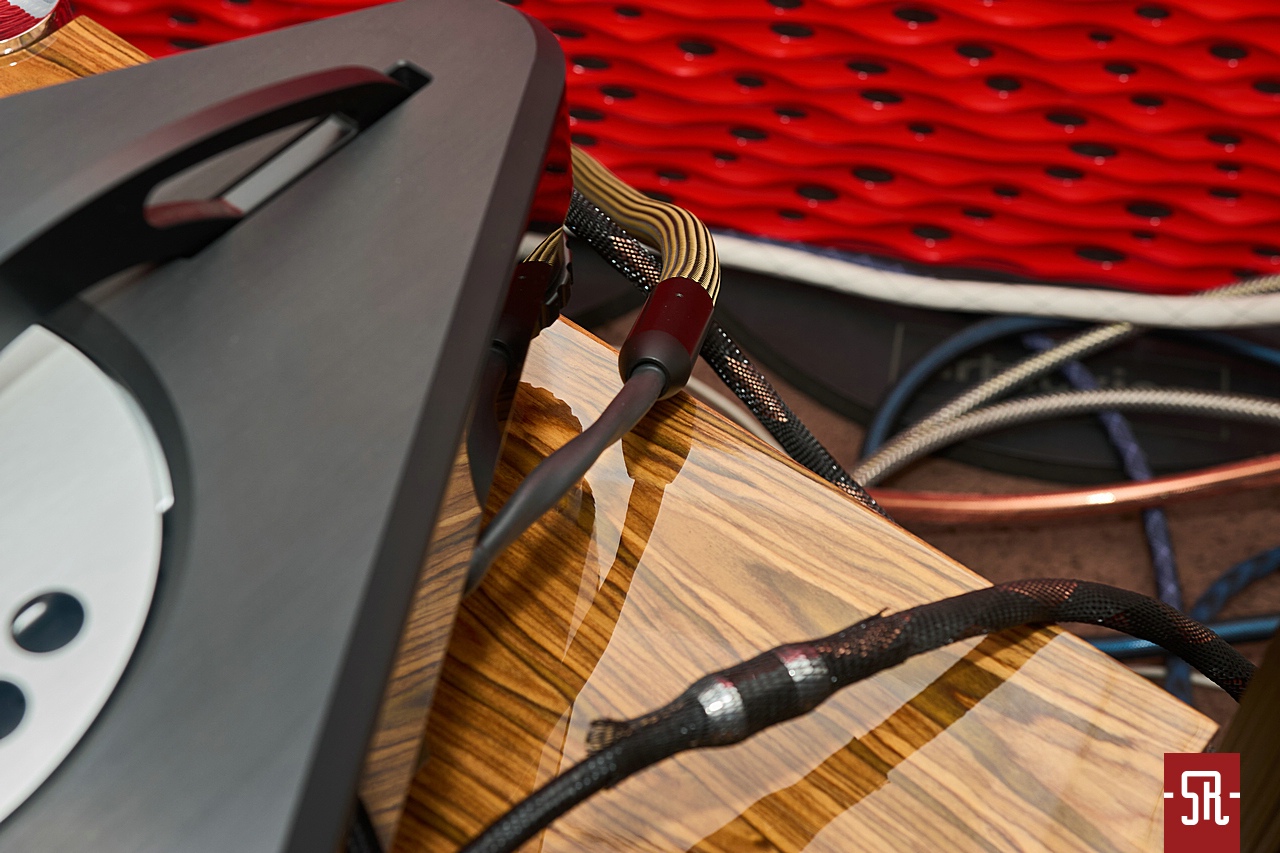


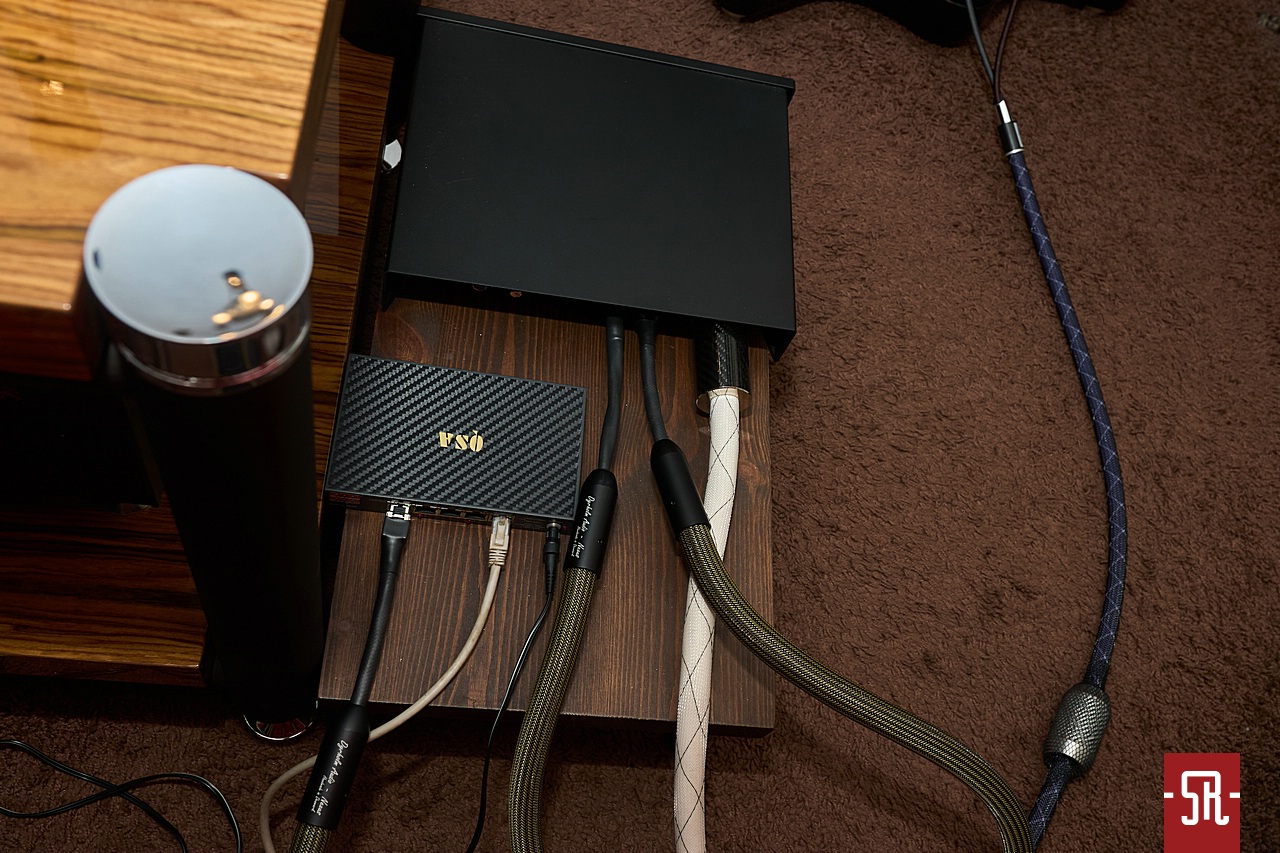
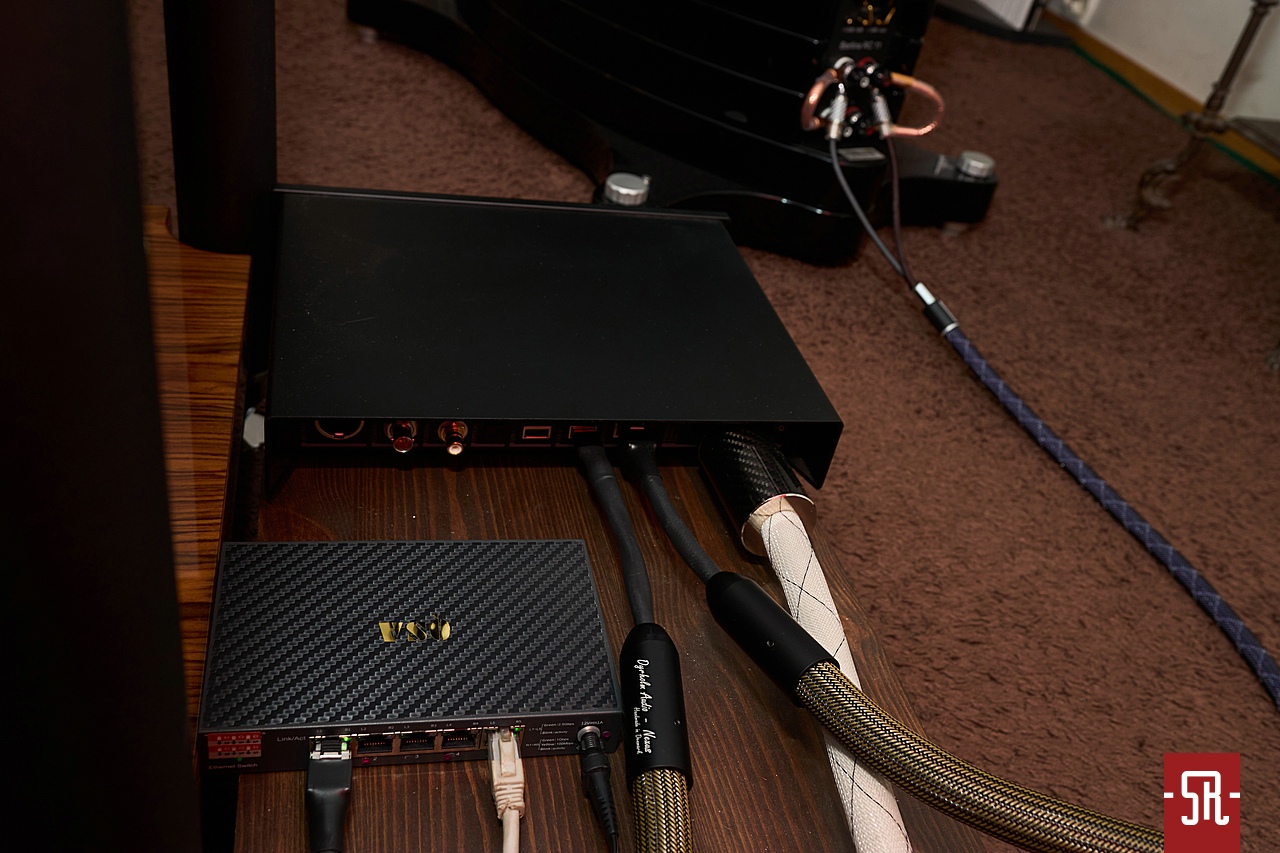


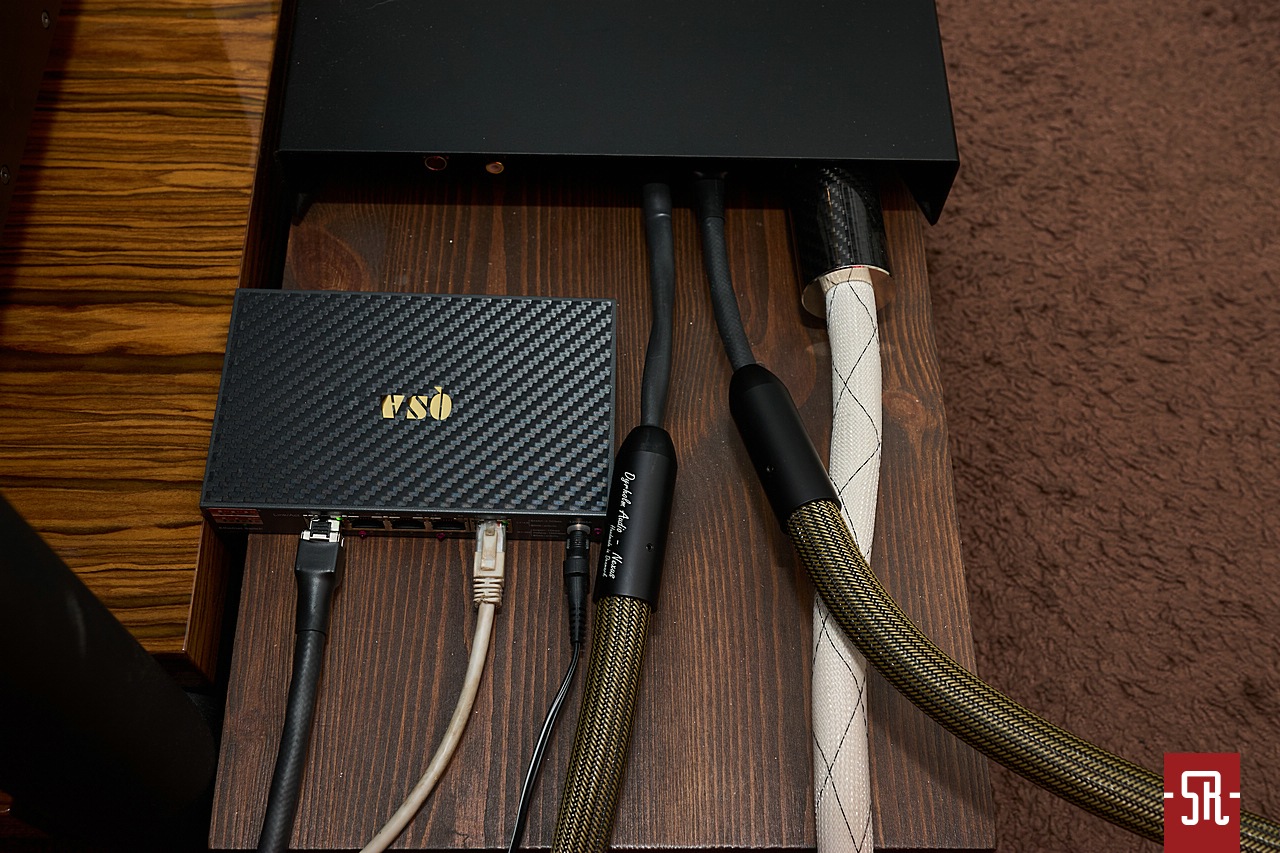
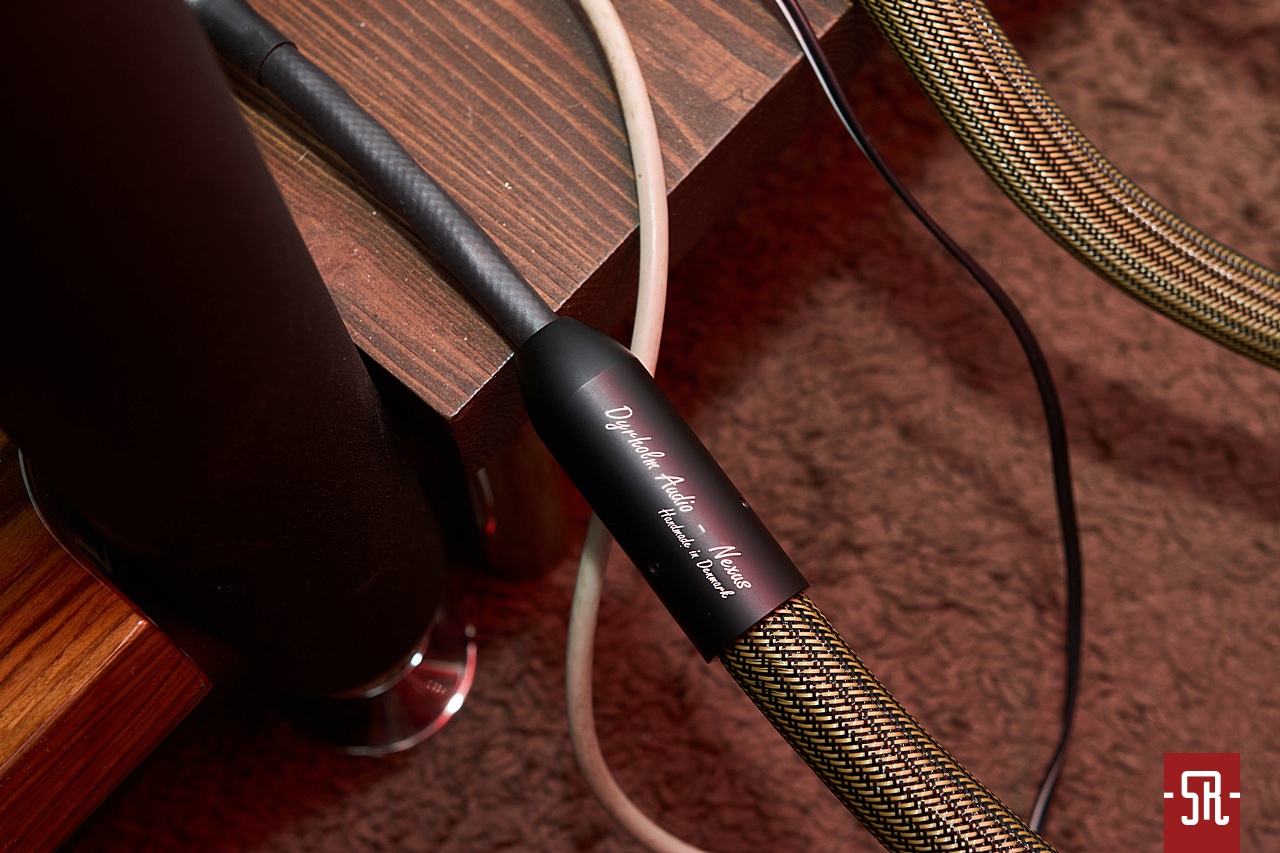
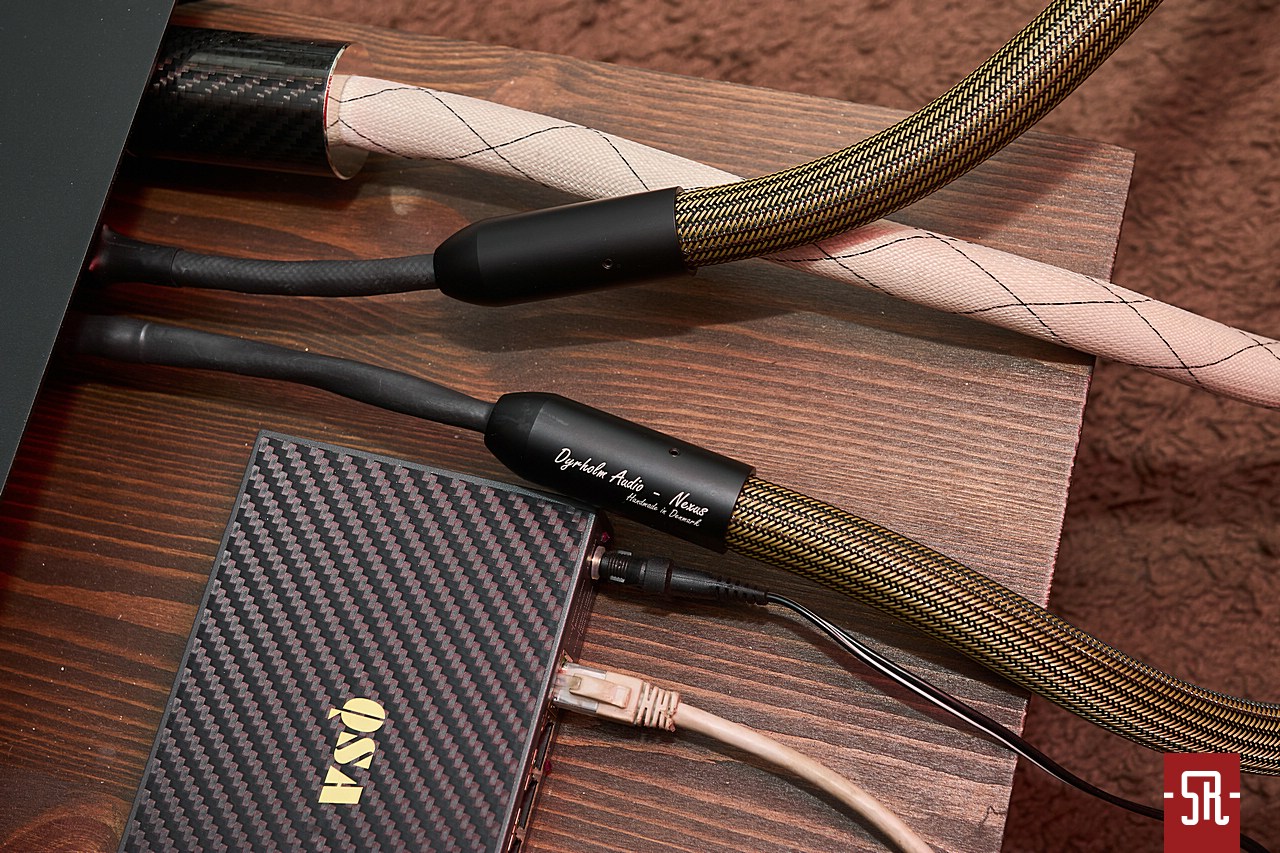


Starting the description of the construction of our heroes with the Ethernet cable, we know that its heart, i.e. the signal conductor, was made in the European Union – there is no need to laugh about this, because for a lot of people, frequent quality mishaps of Asian manufacturers make this issue very important – made of solid silver wire with a purity of 6N+. In its bowels, 8 conductors were used, in 4 pairs of two wires wrapped in unbleached cotton and finally 100 percent protected against oxidation. When it comes to shielding, tinned copper wire was utilized for that, which allows to completely eliminate noise from the network. The issue of plugs was solved with the help of the well-known brand Wireworld. As the Danish Dyrholm is a manufactory that takes care of every detail during the production process, all cables are made by hand with great care. And what is also an interesting non-standard feature on the market, the manufacturer is happy to implement constructive requests from a potential customer. This, of course, is associated with a slightly longer waiting time for your product, but if someone wants a custom version, they will certainly come to terms with such a turn of events.
On the other hand, a USB cable, unlike a LAN, uses the purest UPOCC silver (6N+) available as a conductor. Similar to its predecessors, the signal runs have been wrapped in cotton and protected against oxidation with a hundred percent degree of certainty. If we were to vivisection this version of the digital cable, it would turn out that inside we would find 2 separate shielded wires placed in a tube made of damping foam with an additional screen. The cable is terminated with high quality, gilded copper plugs of the A and B type.
What was the effect of replacing my set of USB and LAN cables with the designs from Denmark that were the focal point of this meeting? I will say briefly, I heard two excellent changes. The first was the presentation of the music with better clarity. However, not in the sense of brightening, but by removal of the “fog” from the virtual scene. I like music presented directly in the sense of avoiding any warming treatments that increase the pleasure of reception, and surprisingly, what seemed to me being a great result before the test, improved, in a way known only to Dyrholm’s principals. And the most interesting thing was that the additionally cleaned spark of the upper registers, which, despite the clearer glitter in the inter-speaker ether, was even more pleasant to listen to than the previous one, slightly smoothed. This is probably the result of effective prevention of network noise interference with the signal transmitted between devices. Admittedly, I am not sure, but this is how I would interpret the work of the tested cables in the service of the sonic result I heard. Apart from all the guesses, however, one thing is certain, this aspect of creating stage events has climbed to heights that have not occurred in my system so far.
As for the second positive impact of the Nexus on my setup, it was the increased control and verbal reception of the sound. Well, it was not the usual reduction of the essentiality of energy, i.e. de facto flattening of the diversity of the pulse served by the stereo, which is a notorious action to improve the legibility of the lines visualizing the sound. In this case, the point is, that with better control of the lower range and improvement of the edges of virtual entities, there was a kind of amplification, both in the domain of clarity and energy, juicy, but also multi-colored. Suddenly, the music not only sped up, but also served a much stronger accentuation of the formation of individual chords, which translated into presenting it with much more joy, which I did not expect in the most optimistic guesses. And I did not expect it, because if I were to try some kind of enumeration, successfully applied injections of impulses of energy through all kinds of wiring, and in addition at such an affordable price for an ordinary Kowalski, it would suffice to use one hand to count. This is why I had such a reaction.
Therefore, it will probably not surprise anyone that the above list of changes introduced by cables working in tandem from Denmark literally and figuratively disarmed me. So much so that I will no longer artificially dilute the text with flowery descriptions of the sound of the albums I listened to, because the aforementioned constructions will probably defend themselves in the when put in your systems. On the other hand, without beating around the bush, I am very pleased to announce that the Scandinavian digital set Dyrholm Audio Nexus USB and Ethernet has not returned to the manufacturer after such a successful, strongly raising the bar of sound of my test sessions, but has become a reference point for further attempts to evaluate the sound of this type of designs. As you know, I am not some die-hard fan of using file-based music, but when something positively surprises me, I can easily say it directly in the test, which has happened more than once. But as you can see from today’s clash, when, in the positive sense of the word, a product knocks me out, even if it is not a complement to my beloved analogue system, but it clearly increases the sound qualities of another segment of the setup I have – most often I play using a turntable and a studio tape recorder, often a CD player, and following today’s story, of course, I do not forget about the file sources, immediately becomes a permanent component of it. Gentlemen, without a doubt, you deserve well-deserved respect for bringing the tested cables to life.
Epilogue
At this point, I usually try to gather the most important features of the tested products into one whole. However, I think that if I, an individual who does not really play with files on a daily basis, left the eponymous digital wiring for myself, without unnecessary duplication of the information contained in the text, I inform the entire population of audiofreaks that it would be a sin not to try them. If you buy or do not buy, it does not really matter. It is important that the time spent on personal testing with them will be one hundred percent pleasantly spent. And I would not be surprised if a face-to-face meeting would end with a decision similar to mine. After what I have heard in my own room, I think with a high degree of certainty that it can really happen.
Jacek Pazio
System used in this test:
– CD Player/DAC: Gryphon Ethos
– Streamer: Lumin U2 Mini + switch QSA Red-Silver
– Preamplifier: Gryphon Audio Commander
– Power amplifier: Gryphon Audio APEX Stereo
– Loudspeakers: Gauder Akustik Berlina RC-11 Black Edition
– Speaker cables: Furutech Nanoflux-NCF Speaker Cable
– IC RCA: Hijiri Million „Kiwami”, Vermouth Audio Reference
– XLR: Hijiri Milion „Kiwami”, Furutech DAS-4.1, Furutech Project V1
– Digital IC: Furutech Project V1 D XLR
– Ethernet cable: NxLT LAN FLAME
– USB cable: ZenSati Silenzio
– Power cables: Hijiri Takumi Maestro, Furutech Project-V1, Furutech DPS-4.1 + FI-E50 NCF(R)/ FI-50(R), Furutech Evolution II, Hijiri Nagomi, Vermouth Audio Reference Power Cord, Acrolink 8N-PC8100 Performante, ZenSati Angel
Table: BASE AUDIO 2
Accessories: Quantum Science Audio Red fuse; QSA Silver fuse; Synergistic Research Orange fuse; antivibration platform by SOLID TECH; Harmonix AC Enacom Improved for 100-240V
– Power distribution board: Power Base High End, Furutech NCF Power Vault-E
– Acoustic treatments by Artnovion
Analog stage:
– Drive: SME 60
– Cartridge: My Sonic Lab Signature Diamond
– Phonostage: RCM Audio The Big Phono
– Clamp: Omicron Luxury Clamp
– Eccentricity Detection Stabilizer: DS Audio ES-001
– Tape recorder: Studer A80
Manufacturer: Dyrholm Audio
Prices
Dyrholm Audio Nexus USB: 1 775 € / 1,5m
Dyrholm Audio Nexus Ethernet: 2 370 € / 1,5m
