Monthly Archives: maj 2015

Opinion 1
I will not hide, that to be able confidently and truthfully fulfill all review tasks, we can review quite thoroughly all burned-in devices within two-three weeks. But full picture of its capabilities can only be gained after having spent much more time with such component. Without having the pressure of time we can not only check the device in different configurations, but in addition we can take another factor into consideration – time. Regardless of the effort put into that, still, subconsciously, being in contact with something new, we will assess it through the prism of being excited with that novelty, trying to catch sometimes only imaginable nuances confirming the rightness of our choice. Yet it does not happen often that you can read in reviews – for obvious reasons – what happens when emotions cool off, when the new thing is not so new anymore, and becomes a part of your system. In the best case scenario, when we can assume everything is OK., we just resume daily activities and forget about this whole thing. Things get worse, when audiophilia nervosa does not let you rest, and things that inspired at first, now irritates, and what was soothing, now puts you to sleep and becomes boring. You cannot have such dilemmas within a few weeks, so in a situation common for reviewers, and so in most cases this is just hypothetical. Very dynamic fluctuation of components in the listening system does not leave even a minimal chance for boredom, or a device becoming too acquainted. But even in our, hermetic audio-world, there are some extremely positive exceptions to the rule. Positive, yet confirming all what I wrote before. Exceptions, for which it is not important to have the shortest possible test time, or the highest amount of tests appearing in the press or internet, but which need the highest possible thoroughness, quality, and most of all, having the test environment as close to real world usage, as possible. This is an uncompromising approach, but if you treat High-End as a domain, where there is no place for compromise, and if you value long term satisfaction of your clients, then this is the way to go. This is the moment where we finally come to the main topic of this review, the split amplification Abyssound ASP-1000 + ASX-1000, which was present in our system from … July last year. Yes, this is true. This test was the longest in the history of our magazine and reached almost 12 months of duration. During that time we tested over fifty combinations and systems, so in the footer you will find only the last, most recent, configurations.


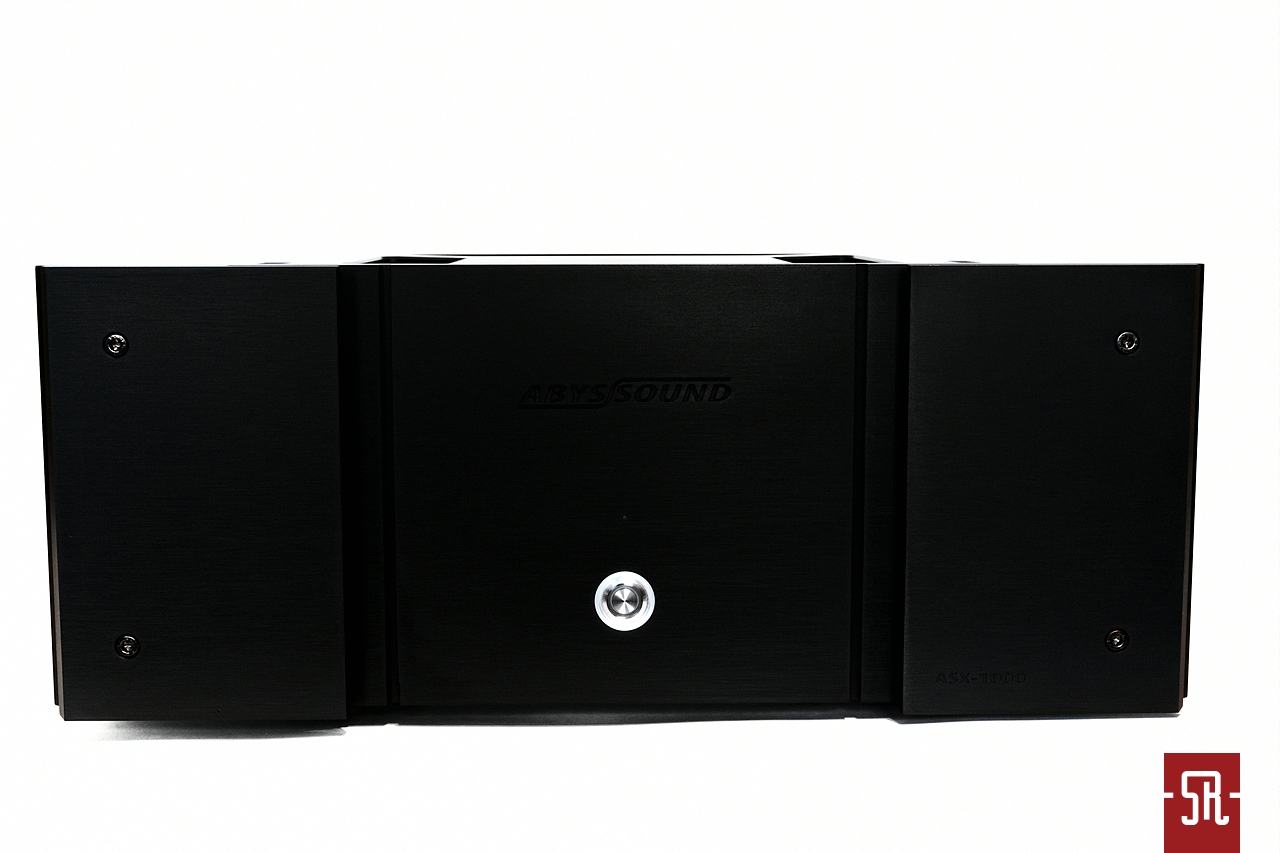


When we agreed for the test of the Abyssound, we took the “compact” option, the smaller one, although this is not the most fitting description in this context, the power amplifier ASX-1000 and the only available preamplifier, at least currently, ASP-1000. As it turned out, the size and weight difference between the ASX-1000 and ASX-2000 is almost cosmetic, as it only means 4cm difference in height and 6kg in weight, what with the size of 54x54cm and weight of 46 vs 52kg is absolutely negligible. But it is not about the size of the chassis, but what you can find in the inside and the class of the amplification. We received the more “ecological” version, capable of delivering 180W at 8ohm (360 at 4), and where “only” the first 35W are served in Class A, passing into Class AB only when you need more juice. Additionally innovative solutions were applied, like BQVA – complimentary Bi-Quartet setup in the voltage amplification stage and the ULHD module (Ultra Linear High Damping) in the output stage, allowing for a very high damping factor. The mentioned technologies are supported by solutions tested in High-End for years, like the powerful, toroidal power transformer with 1600VA power and a bank of capacitors with a combined capacity of 220000µF. No compromises. I kept the description of the chassis and the external design for last, as Polish constructions are usually known for being capable of tackle the best products of abroad in terms of sound or materials used, while the looks were usually neglected – they look like a little bit better DIY devices. But fortunately during the years things are changing for better, and the proof for that are products from Amare Musica, Egg-Shell or the G Lab Design Fidelity Block, we just received for testing. It is the same with the ASX-1000, which is a device of imposing posture, which combines the best characteristics of the classic Krell, BAT or PASS amplifiers. It is big, rough, black and … disconcertingly monumental. The multilayered front, made from thick brushed aluminum plates, is decorated only with a silver power button surrounded by a blue ring, and a milled company logo. Conventional side panels were replaced by heavy heat sinks, the top cover has lots of cut ventilation holes, protected with a dense mesh. This minimalist design is splendidly augmented by the back panel, were there are only gold plated RCA sockets (WBT 0201) and two pairs of singular loudspeaker terminals WBT 0765, which may make the EU officials happy, but are a nuisance to all owners of spade terminated loudspeaker cables, and I am one of those people. Leaving EU directives aside, I would try to convince the manufacturer to customize the unit, and replace those terminals with WBT 0730 or Furutech FT-866, or some thumbscrews like Krell uses in their FBI model. There is also an IEC power socket integrated with the main power switch and a fuse. There are also massive handles, which are necessary with such size and weight, to make moving it around easier. This is especially helpful to place the amplifier in the case it is packed in.
The preamplifier ASP-1000, equipped with a company remote (not very comely), looks tiny compared to his “bigger brother”, but please do not be deceived. This is a standard sized component, weighing almost 10kg, big enough to be a middle level integrated amp. But first things first – let us start with the exterior. First of all solidity and materials used are similar to the power amp. The over one cm thick, brushed aluminum front panel is divided into three parts by vertical milled lines. The left section houses a power button with a blue ring, exactly the same as in the ASX-1000. The middle section is occupied by a centrally placed volume knob, with the company logo milled to the left of it, while three LEDs indicating the gain (-6dB, -12dB or mute) with the appropriate knob selecting placed next to it. The right section contains the input selector with LEDs indicating the active input. The remote sensor was placed in a small recess, while the bottom right corner contains the model name. What is odd, that instead of this being milled, the name is written with white ink, contrasting too much with the elegant black front.
The back panel looks like an audio jeweler. Five pairs of RCA line inputs (one of them being direct) are rhodium plated, while the pair of XLRs come from Neutrik. The two pairs of RCA outputs are gold plated, there are also XLRs. We can also find a ground breaker, a socket for the trigger and an IEC power socket intergrated with the main power switch and fuse. There is also an antenna socket, but its purpose remains unknown.
As the set was almost powered up for the whole time which it spent at Jacek’s home, I did not have to worry about burning-in, but only take a few hours to stabilize the set, what seems obvious with this amount of filtering capacity. In contrary to its appearance, the Abyssound does not catch the listener’s attention with the volume of the generated sound, but with an organic, fully analog warmth combined with brilliant resolution. Does this remind you of something? Well, yes. This is the trademark and characteristic of the best tube amplifiers on the market. And here, it turns out, that the most obvious characteristic of the Krakow made amplifier set is the ability to keep splendid selectivity and saturation even at low volume levels. This could be expected from a worked out 300B SET, or 2A3, and yet this is achieved by a 50kg monster able to drive any kind of speaker, even very big ones, and even at the sound levels of afternoon-night whispering it can show its assets. I recalled the typical tube analogies, as even with not so “juicy” material, like “Quelqu’un m’a dit” Carla Bruni, the tested amplification was able to extract quite some sweetness and reverie not losing any of the roughness and dullness of the voice of the singer. Underlining the first plane only amplified the intimacy of the album and the delicate thickening of the sound of the guitar made the whole sound very sensual. It was similar with “Small Change” Tom Waits, with only a small difference, that the delicate orchestration, placed in the background (“Tom Traubert’s Blues”) built an surprisingly holographic, suggestive space, reaching far, far behind the vocalist and piano, placed on the foreground. Such a way of sounding made us become part of the spectacle, dedicated only to us. The sound was thick, big and omnipresent – it surrounds us and includes us in its own microcosm.
But you do not place multiple tenths of kilograms of amplifier in your room to be limited only to small ensembles, although I must confess, I did prolong listening sessions almost every night to be able to soothe my nerves after a busy day with rhythms like “Slow Motion Orchestra” Solveig Slettahjell or “Vägen” Tingvall Trio. No nervousness, complete calmness and beautiful timbres made the world slow down, normalize and become more pleasant to us.
But well, it is time to try higher revolutions. In repertoire demanding appropriate power and vitality from the system, the Abyssound move from “comfort” to “sport” mode, and it really pays off to buckle up, I mean, to have the remote close, because it really becomes 24h Le Mans. From the first bass hit ‘Killing Strangers” opening the Marilyn Manson album “The Pale Emperor” you could feel the power of the Krakow made amplification. But it was not a motionless beefed-up mass, but a brilliantly controlled, precision machine hitting you with atomic power exactly when needed and where needed. Everywhere, where rhythm and pace were leading, starting with “Going To Hell” The Pretty Reckless to “TaTaKu Best of Kodo II 1994-1999” Kodo, the PRAT had its ground. But this was just the introduction to the spectacle that took place during “Wagner Reloaded” Apocalyptica. The “Fight Against Monsters” starting with a snare drum started slowly, but the increasing amount of instruments made the impressive sound stage become as large as a stadium, to release the demons sleeping inside the ASX-1000 at 2:35. However to feel the potential and the iron consistency in keeping the sound on a very short leash we did not even have to reach out for the repertoire of the crazy Finnish, or the “Khmer” by Nils Petter Molvaer, as the almost classical “Recomposed by Max Richter: Vivaldi – The Four Seasons” offered such an emotional load you would not expect from the original version. “Summer 3” sounded monumental, with swing and an extremely solid bass foundation – almost Hollywood-like. As if Hans Zimmer would conduct the tutti. The openness and clarity of the treble allowed to appreciate the used instruments as well as the quality of the recording itself. The tested combo does not hide anything from the listener and the qualification of the material listened to as to the quality of the recording is easy as pie, yet I must confess, that it does not torment the shortcomings. When someone in the studio did not work well, then even the Abyss will not extract the non-existent space, or will not create any bass, if it was not recorded as such.
Like I mentioned, the Abyssound unifies in itself the almost tube-like saturation of timbres with the power of true solid state beast, a power which is tamed, and most of all consciously used to reproduce the ideas of the artists creating their music. Mr. Julian Studnicki and Mr. Marek Stoliński, responsible among other things for the sound of the ASP-1000 and ASX-1000, were able to combine outstanding technology with absolutely audiophile sound qualities, like musicality and resolution. Such explosive mixture can make you addicted to it in a few days, and I must say it does, I have felt that. In addition, when you administer it every day, it changes your psyche. The sound it creates, absolutely unconstrained in terms of dynamics and freedom becomes obvious, becomes a native characteristic of our system. It becomes “our sound”. Unfortunately even the almost one year long marathon came to an end, and the sad moment came to unplug the reviewed devices.
After eliminating the duo from the sound path everything became less present, less obvious, less palpable. The organic musicality and natural lack of constraints in terms of micro and macro dynamics are no more there. Everything seems OK, but the longer we do not listen to the ASX-1000 and ASP-1000, the more we become convinced, that we are cheating ourselves, and that it makes no sense. Of course life does not stand still and goes on, but the loss is evident and painful, really painful.
Marcin Olszewski
System used in this test:
– CD/DAC: Ayon CD-1sx
– Digital input selector: Audio Authority 1177
– Network Music Player: Olive O2M; laptop Dell Inspiron 1764 + JRiver Media Center; Lumin D1; QAT RS3
– Integrated amplifier: Electrocompaniet ECI5; Trilogy 925
– Power amplifier: Wells Innamorata
– Loudspeakers: Gauder Akustik Arcona 80 + spike extenders
– IC RCA: Antipodes Audio Katipo; Siltech Classic Anniversary 770i
– IC XLR: LessLoss Anchorwave; Organic Audio; Amare Musica
– Digital IC: Fadel art DigiLitz; Harmonic Technology Cyberlink Copper; Apogee Wyde Eye; Monster Cable Interlink LightSpeed 200
– USB Cables: Wireworld Starlight; Goldenote Firenze Silver
– Speaker Cables: Organic Audio; Signal Projects Hydra
– Power Cables: Furutech FP-3TS762 / FI-28R / FI-E38R; Organic Audio Power; Acoustic Zen Gargantua II; Ardento Power; Organic Audio Reference Power; Furutech NanoFlux
– Power distribution board: GigaWatt PF-2 + Furutech FP-3TS762 / FI-28R / FI-E38R
– Wall Socket: Furutech FT-SWS(R)
– Antivibration platform: Franc Audio Accessories Wood Block Slim Platform
– Ethernet cables: Neyton CAT7+
– Accessories: Sevenrods Dust-caps; Furutech CF-080 Damping Ring; HighEndNovum PMR Premium; Albat Revolution Loudspeaker Chips
Opinion 2
When we talk about testing a device created by Polish engineers, I am usually very excited, but at the same time I have many thoughts like: “What will happen, if a tested component will not fare well against expectations of the potential buyers?”. Such digressions are part of each test, to some extent, also when testing a product from abroad, but when such product fails, this does not impair my patriotism. Fortunately the brand being tested this time, due to very solid constructions gaining lots of appraisals, is known in our country for years, as something worth spending more time with, and not just listen to a few phrases and finish with a text like “this device has potential”. I think, that lots of the readers know, that such a sentence, such a slogan, is rather a reflection of the owner of a device, requiring appraisal, than a diagnosis of the product. But often it is better to say something like that, than to abuse a person, who is completing his system half of this life. But let us return to the test. This time, together with Marcin, we agreed such a long time for testing, that it will be an accumulation of many months of different system configurations. Also to date each of the components of the tested set was usually described individually, so there is time to test the pre-power combination from the Krakow based manufacturer Abyssound named ASX 1000 and ASP 1000.


Starting the description of the exterior of the devices I will begin with the line preamplifier, which looks tiny compared with the power amplifier, but in fact it is quite comparable with medium sized components. The thick front panel is quite low and split in three parts by vertically milled lines, from which the left one houses only a round, silver switch, the central one two knobs – the bigger one for controlling volume, and a smaller one for muting and adjusting gain, while in the right part there is the input selector. The continuation of design minimalism taken from the power amplifiers, which were designed as earlier products, did not allow for too many ornaments, so we have only the model description printed in the bottom right corner and milled logo to the left of the volume knob. Moving to the back we see the side and top panels covered with delicate ventilation holes, while on the back we have five RCA inputs, one XLR input, double RCA output and one XLR output. There is also a ground breaker switch, a control port, an antenna socket and an IEC socket integrated with the main power switch. As you can see there is not too much extravaganza, but everything you might need is there. Unfortunately trying to quickly pass through the power amplifier will not be so easy, as this monstrous product easily surpasses 45kg in weight. Trying to lift by only one person it is really a challenge, but when it is placed in the destined place, the configuration proposed by its constructors will reward us with beautiful sound. But let me continue with the description first. Despite the seeming monotony of the exterior, I perceive it completely differently after those months of seeing the amplifier in my room. The side plates of the front, which is divided in three sections, come to the center in a quite sophisticated way, what greatly improves the looks of the product. When I mentioned the minimalism of the power amplifier during the description of the preamp, you might not have expected it being so minimal – as besides the milled company logo and a round switch in the middle and a milled model name on the right side, there is nothing. It may seem a tad too sad, but in direct contact with the unit, it turns out to be a very well chosen solution, as given the size of the front panel, any kind of vivid accents might have been too much. This was avoided, we have a big chassis, but with very toned down design. As you can see on the pictures, our power amplifier – I think, I can call it like that after so many months of using it – has big heat sinks mounted on the sides, and the top panel has openwork windows to support cooling. Unfortunately using a monstrous transformer, as for audio standards, requires such solutions, and if we want to enjoy high quality of the sound, then we have to live with that. Finishing this paragraph about the looks of the tested devices, I would like to mention the back of the amplifier, where on the sides we have two handles, used for transportation, next to them single loudspeaker terminals and in the middle RCA inputs with an IEC power switch below them. Maybe without the wealth often presented by devices from China, but fully compatible with all, even foreign, components.
I already mentioned, that the Abyssound turned out very helpful, as a supplement of many test encounters, like with the Thrax Teres (preamplifier), or the loudspeakers Thrax Lyra, Odeon No. 28 or Gauder Cassiano (power amplifier). Interestingly, many of those encounters were really of the bulls-eye type, what only placed the threshold for the company combination higher. This is the reason, that before starting the test, I played a few discs to accommodate to the tested set. We all know, that each combination results in a different final result, so having in my memory previous sounds, I had to somehow dampen them, to find the “X”-factor, which was on the mind of the constructors when creating the ASX and ASP 1000. Based on my previous experience I learned, that when starting the test I have to broaden the margin of my criticism, as many times my initial expectations do not become confirmed later on. I mean, that the set may have different focus on sound nuances than separate components. But my fears were absolutely not grounded, and the Krakow made duo turned out to remain in the sound aesthetics I knew from months of listening to both devices apart. What aesthetics? Let me tell you. Putting the tested set in my system I received well saturated sound, of which I am an advocate. I know, that this is a kind of departure from neutrality, but I am absolutely capable of giving away some of the speed to get joy from listening, but not falling into silting. This has to be a dense, yet resolved sound, and this is exactly what we get. It was a bit thicker and sweeter, when compared to my Japanese reference system, but I never caught the Krakow made set losing resolution. The virtual sources are drawn with a thicker line, what brings a bit more of the lower registers, but we do not lose much of their quality. The contrabass sounds thicker, using more the bout than the strings, and the saxophone becomes a more noble attribute of the artist blowing air into it. For most music I listened to, it was the addition of some extra spice, and not the removal of some information. Frankly speaking only once during the few weeks of the final test I had the feeling of too much of the good, but I would not blame the Abyssound, but the nonchalance of the sound engineers of the Cassandra Wilson disc “New Moon Daughter”. This disc shows the fullness of low frequencies even if played through a very well balanced system, and with a system which has a bit more weight, it can show all the issues of the listening room, bringing all standing waves to broad light. I am painfully aware of all my listening room issues, so I can easily identify the source of the issues, and in this case it was the disc, and not the system. And this is not an attempt to cover-up any shortcoming of the “thousands”, but just thorough information, as all the other test music did not cause any of such problems. Besides the momentary bass swirls, the rest of the sound spectrum gained rather than lost. Of course people loving music with the tempo of a fast machine gun would like it sharper on the edges of the sounds, but I would not fight about that, as the way music was presented by the system signaled me the way we would move from the very beginning, and we should not be looking for any guilty parties. Interestingly, the treble and midrange did not suffer at all from the thickening, giving me full information in good resolution, only with slight sweetening of the treble, yet without damping their reverberation, and this is not an easy to achieve. Also the virtual sound stage was very good, which comes close to my reference system in size – I would like to remind you about the emphasis on building depth, and the musicians were clearly located on it. You can probably already see from those sentences, that the engineers went down the path planned during the creation process of those devices, that resulted in much more than just a warm sounding system. From my experience of using them in different configurations, it seems, that we are dealing here with a true chameleon. Recalling the sound with the easy to drive loudspeakers of the German Odeon, of the Gauder Cassiano (when someone of you knows them, then it is also known, that they require a powerful amplifier) it turned out, that having the power reserves at hand, the ASX 1000 uses them only when required by the loudspeakers. I mentioned the highly effective tube loudspeakers on purpose, because when driving them, the power amplifier used rather the first 35W it generates in class A, offering us a very nice, very airy and homogenous musical picture. Recalling the power-hungry Cassiano I wanted to bring to your attention how easy the power, hidden in the transformer with the size of a big pot, can be unleashed, allowing it to work with almost unbearable volume levels without any signs of clipping. And when we would claim, that playing with the first mentioned loudspeakers are nothing special – although after testing of many different amplifiers I would say the opposite is true, then being able to cope with the current draw of the Gauder at any volume level must be regarded as very rare, not forgetting about the quality of the sound produced by them, as just being able to drive a set of speakers does not dot the “i” in any buying process. Only full synergy is able to break through the tenths of configurations listened to during such a process, and the tested set was able to create such synergy many times.
Concluding, Abyssound seems to be another step towards establishing an official title in audio “It is good, because it is Polish”. How else would we be able to appreciate the excellence of Polish constructions? But we are not talking about that today, so let us return to topic. The tested configuration was universal enough, that either together or separated, they can find their place in many different combinations. It can handle easy and hard to drive loudspeakers, adding to that the homogenous element of musicality, that is intrinsic to the tested amplifiers. If power was provided to highly efficient loudspeakers too nonchalantly, then such an amplifier would be immediately removed from the list, not allowing itself to enchant the potential buyer. On the other hand, when the Watts would not be provided readily to loudspeakers consuming them in enormous amounts, will kill their potential from the beginning. And those are only the basics of what this amplification can do. We cannot forget about the spirit of musicality given to your beloved music. For some people such music may mean the blaze of rock instrumental and vocal cavalcades, for others just a few musical phrases played in silence. According to me both of those musical genres are beautifully within the scope of the tested ASX 1000 and ASP 1000, so I really encourage you to try them out on the living tissue of your stereo system, but at the same time I must warn you, there may be no way back to your old configuration.
Jacek Pazio
System used in this test:
– Separate DAC + CD player: Reimyo CDT – 777 + Reimyo DAP – 999 EX
– Preamplifier: Reimyo CAT – 777 MK II
– Power amplifier:Reimyo KAP – 777
– Loudspeakers: TRENNER & FRIEDL ISIS
– Speaker Cables: Harmonix HS 101-EXQ (mid-high section); Harmonix HS-101 SLC (bass section)
– IC RCA: Harmonix HS 101-GP
– Digital IC: Harmonix HS 102
– Power cables: Harmonix X-DC-350M2R Improved Version
– Table: SOLID BASE VI
– Accessories: Antivibration stand for the power amp by Harmonix TU-505EX MK2, Harmonix Enacom improved for AC
– Power distribution board: POWER BASE HIGH END
Analog stage:
– Turntable:
Drive: SME 30/2
Arm: SME V
Cartridge: MIYAJIMA MADAKE
Phonostage: RCM THERIAA
Producer: Abyssound
Prices:
ASP-1000: 17 900 PLN
ASX-1000: 29 899 PLN
Technical details:
ASP-1000
Gain: 12 dB or 18 dB
Frequency response: 3 Hz – 375 kHz (-3dB)
SNR: 107 dB
Maximum output voltage: 12 Vrms max
Input impedance: 30 kΩ (RCA); 50 kΩ (XLR)
Attenuation control: -6 dB, -12 dB, MUTE
Ground switch: chassis / floating
Analog Inputs: 4 pairs RCA + DIERCT; 1 pair XLR
Analog Outputs: 2 doubled Outputs for each ch. RCA; 1 pair XLR
Main voltage: AC (50-60Hz) 220-230 V
Power consumption: 30W – active; <3,5 W -idle
Dimensions (w x h x d): 490 mm x 90 mm x 340 mm
Weigth: 9.5 kg
ASX-1000
Output Power RMS: 180W/8 Ω, 360W/4 Ω
Pure A class Output Power: 35 W/8 Ω
Input Sensitivity RMS: 1.2 V
Gain: 29 dB
Frequency Response: (1W -3dB) 7 Hz – 125 kHz
THD: < 0,017 %
S/N Ratio: 106 dB
Input Impedance: 10 kΩ
Napięcie zasilania: AC (50-60Hz) 220-230 V
Power consumption: 1600 VA (max)
Dimensions (w x h x d): 540 mm x 225 mm x 540 mm
Weigth: 46 kg

Opinia 1
Nie wiem jak to się stało, ale pomimo całego naszego zamiłowania do analogu od ostatniego testu gramofonu (Transrotor La Roccia Reference) upłynęły już prawie cztery miesiące! Co prawda w międzyczasie co i rusz przewijały się w naszych relacjach jakieś szlifierki, lecz co innego wspominać, bądź słuchać z tzw. doskoku a co innego mieć coś ciekawego we własnych czterech kątach. Dla tego też, gdy w ramach systemu marzeń pojawił się w naszych skromnych progach McIntosh MT10 jednogłośnie z Jackiem uznaliśmy, że trzeba poświęcić mu zdecydowanie więcej czasu i sprawdzić nie tylko w rodzimym środowisku, ale i w mniej przewidywalnych okolicznościach. Całe szczęście warszawski Hi-Fi Club, mający w dystrybucji tytułową markę nie miał nic przeciw temu i tym oto sposobem mogliśmy z popastwić się nad wielce intrygującą,topową propozycją skierowaną przez amerykańską legendę do miłośników czarnej płyty.


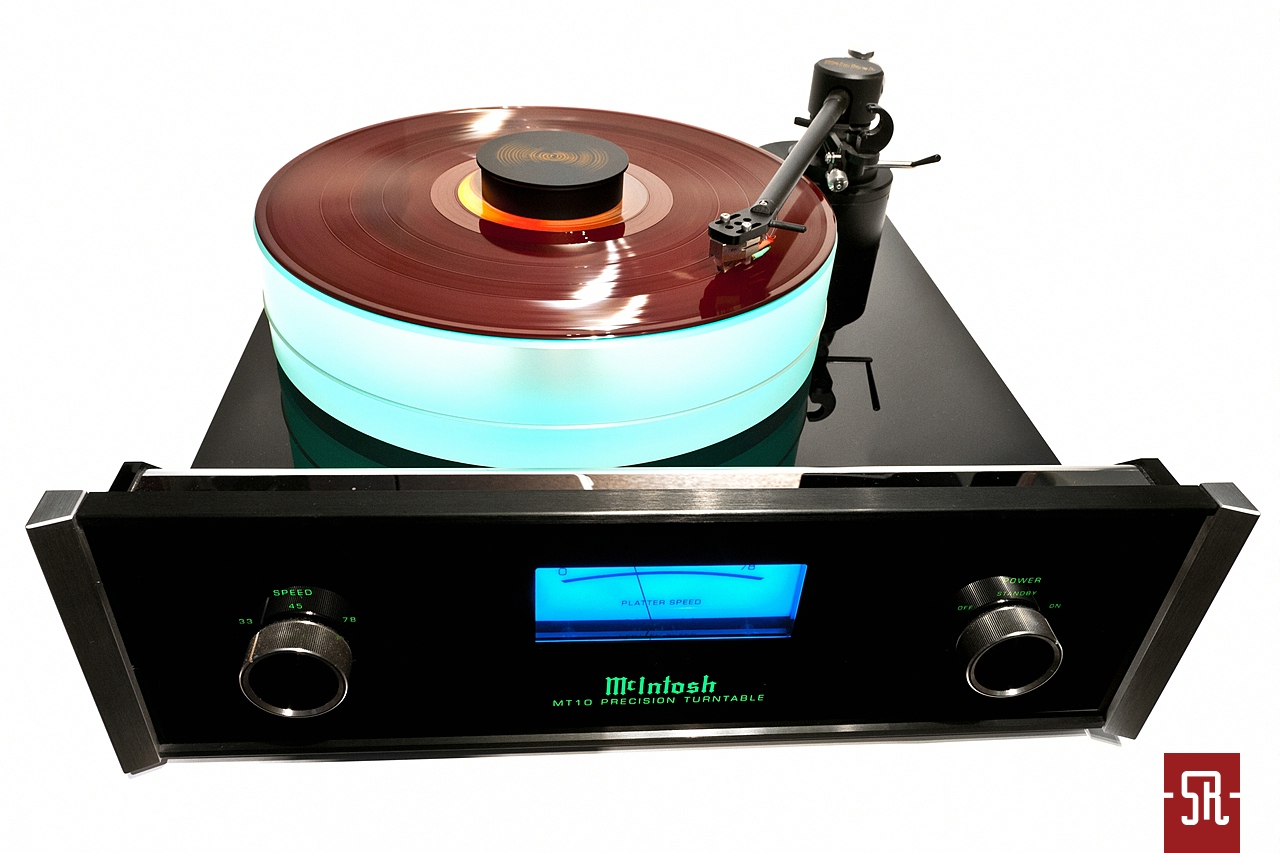


O charakterystycznym, rozpoznawalnym zawsze i wszędzie designie McIntosha nie ma się co rozwodzić, bo to jedyny w swoim rodzaju fenomen, który uparcie opiera się upływowi czasu. Jednak takie przywiązanie do ortodoksyjnie wyznawanej estetyki i próba jej aplikacji gdzie tylko to możliwe nie zawsze się sprawdza. Wystarczy wspomnieć np. gramofon T+A G 2000 R, który niby idealnie wpisuje się w serię R, lecz w rzeczywistości, przynajmniej moim zdaniem, wyszedł zbyt antyseptycznie. Co innego Electrocompaniet ECG-1, który będąc klasycznie wyglądającą szlifierką zachował wszystkie natywne cechy norweskich przodków. Tylko warto pamiętać o tym, że Skandynawowie nie próbowali na nowo wynaleźć koło, tylko posiłkowali się zewnętrznymi konsultantami mającymi odpowiednie doświadczenie w ww. materii. Podobną drogę obrał McIntosh i w roli swojego flagowego źródła analogowego jakiś czas temu zaprezentował spełniający wszystkie dogmaty Mc-wiary model MT10 stworzony w kooperacji z niemieckim Clearaudio. Otrzymujemy zatem obowiązkowy szklany front z podświetlanym zielonym logiem, łypiące błękitno – prosektoryjnie okno informujące o osiągniętych obrotach i wielowarstwowe chassis poryte klasyczną nierdzewką po bokach i z tyłu, przykryte od góry taflą czarnego akrylu. Jakby tego było mało solidny, 6 kilogramowy, mlecznobiały, akrylowy talerz również potraktowano od spodu LEDowym ringiem nadającym całości wręcz nieziemski wygląd. Oczywiście iluminację da się wyłączyć, lecz bądźmy szczerzy, nie po to kupuje się taki statek kosmiczny, by używać go przy wyłączonych światłach. McIntosh bez „kryptonitowej łuny” to jak nie przymierzając równie mrocznej aparycji Krug 1998 Clos d’Ambonnay bez bąbelków. Wróćmy jednak na ziemię. Talerz osadzony jest na porcelanowym łożysku wspomaganym magnetyczno – powietrzną „poduszką”.
Za włączenie, utrzymanie w trybie stand-by i aktywowanie odpowiada prawe pokrętło a zmianę prędkości obrotowej dokonujemy umieszczoną również na froncie, bliźniaczą utrzymaną w firmowej estetyce lewą gałką. Osiągnięte wartości z łatwością odczytamy z charakterystycznie podświetlonego okienka z typową dla McIntosha wskazówką. O stabilność obrotów możemy się nie martwić, gdyż czuwa nad nimi moduł opto-elektroniczny, skanujący 1595 razy w ciągu jednego obrotu talerza prawidłowość działania zespołu.
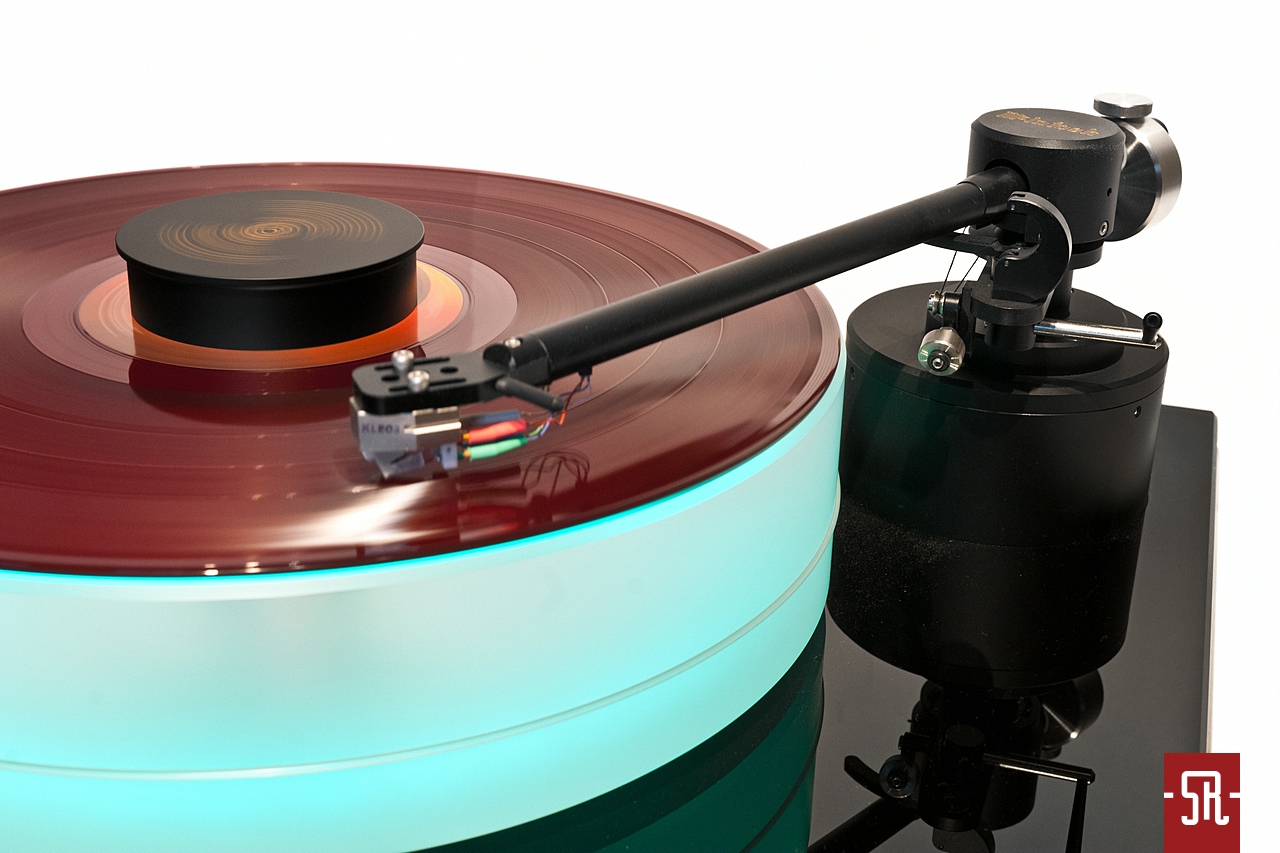
Bardzo solidne wrażenie i to nie tylko na pierwszy rzut oka, ale podczas kilkunastodniowego użytkowania sprawiło również firmowe ramię, składające się ze wzmocnionej aluminiowej rurki, osadzonej na dwóch ceramicznych i dwóch szafirowych łożyskach kardanowych. Będąc połączeniem solidności i precyzji jego obsługa nie powinna sprawiać najmniejszych problemów nawet mniej doświadczonym miłośnikom analogu.
Choć standardowo MT10 sprzedawany jest z wkładką MCC10 to do testu otrzymaliśmy egzemplarz uzbrojony we wkładkę Lyra Kleos wykorzystującą technologię New Angle, kompensującą zmianę geometrii (ugięcie) zawieszenia układu wspornik-cewka pod wpływem ustawionej siły nacisku. W końcu jak szaleć, to szaleć i skoro dystrybutor postanowił „uszlachetnić” firmowy set cartidgem za ponad 10 k PLN, to przecież zwykłym nietaktem z naszej strony byłoby na taki stan rzeczy się nie zgadzać.
Jeśli zastanawiają się Państwo jak gra taki rozświetlony niczym wpływający do portu w Honolulu transatlantyk gramofon, to uczciwie przyznam, że adekwatnie do swojego wyglądu. MT10 na dźwięk o dużym, oferowanym z iście amerykańskim rozmachem wolumenem, lecz bez często pojawiającej się w takich okolicznościach misiowatości, czy zwalistości. Spora w tym zasługa założonej Lyry, lecz nie będziemy w tym momencie dywagować co jest pochodną czego, skoro z Kleos McIntosha doostaliśmy. Ponadto przy moim popowo – rockowo – symfonicznym repertuarze dość szybko stało się jasnym, iż bardziej wpasowuje się w moje gusta, bardziej bezpośredni i żywiołowy a przy tym tańszy phonostage R.C.M.u, czyli Sensor Sensor Prelude. Niby z Therią też było OK., lecz zdecydowanie wyższa rozdzielczość i mniejsza pobłażliwość dla nie zawsze referencyjnych realizacji potrafiła dawać o sobie znać. Po prostu Sensor nie tylko więcej wybaczał, lecz przede wszystkim potrafił z 10-ką stworzyć w pełni synergiczny duet odpowiednio osadzony na basowym fundamencie. Jeśli ktoś jednak chciałby osiągnąć jeszcze większą gęstość i soczystość dźwięku sugerowałbym sprawdzić jak poradzi sobie w takiej konfiguracji np. Trilogy 907.
Weryfikację możliwości dynamicznych rozpocząłem od symfoniki. Najpierw na talerzu przykrytym grubym filcem (przydałoby się coś bardziej transparentnego) wylądowały nieśmiertelne „Le Quatro Stagioni” (Michel Schwalbe / Berliner Philharmoniker / Herbert Von Karajan). Znane na pamięć melodie i świetna interpretacja na amerykańskiej „szlifierce” zabrzmiały niezwykle rześko i witalnie. Słychać było otwartość górnych rejestrów i natywną chropawość instrumentów smyczkowych, co przy wysoce zadowalającej selektywności i całkiem sugestywnej zarówno pod względem szerokości, jak i głębokości scenie nie pozwalało nawet na chwilę nudy. Potem poszło już z górki – kilka albumów Manciniego ze wściekle różową, jubileuszową (50th Anniversary pink vinyl edition) ścieżką z „The Pink Panther” i równie kultową, lecz zdecydowanie bardziej dostojną „The Godfather” Nino Roty na czele. Wspomnianą witalność w pewnym stopniu wspomagała cały czas obecna a zarazem zaskakująca, jak na bądź co bądź mass-loadera zwiewność. Co ciekawe, nawet niezbyt przyjemnie i dość „chudo” zrealizowane albumy jak „Genesis” Genesis, czy „… But Seriously” Phila Collinsa nie irytowały, lecz niezaprzeczalnie zyskiwały w porównaniu z tańszymi konstrukcjami, na muzykalności i motoryce, choć nie miałbym nic przeciw delikatnemu obniżeniu środka ciężkości całego przekazu. Przykładowo na „Ray of Light” Madonny zdecydowanie więcej do powiedzenia w temacie masy i osiągalnej dolnej granicy reprodukowanego basu miały wspominany we wstępie Transrotor La Roccia Reference i 30-ka S.M.E. Jacka. Trzeba jednak w tym momencie pamiętać o „drobnej” różnicy w cenach porównywanych setów. Całe szczęście powyższe różnice należy rozpatrywać jedynie w kategoriach własnych upodobań do konkretnej estetyki a nie jakichkolwiek odstępstw od tego, co określamy pojęciem dobrego dźwięku. Dla tego też warto wspomnieć, że powyższy brzmieniowy sznyt Maca potrafi zdziałać wiele dobrego na nagraniach, które w większości przypadków cierpią na ewidentne problemy z czytelnością i zbyt daleko posuniętą bezwładnością najniższych składowych. Wystarczy sięgnąć po któryś z krążków Cassandry Wilson (np. „Coming Forth By Day”), czy Selah Sue, by przekonać się ile informacji właśnie z tylko pozornie jednostajnego basu jest w stanie wyciągnąć amerykański gramofon. Proszę tylko rozsiąść się wygodnie w fotelu i posłuchać np. „You Gotta Move” („Belly Of The Sun”) z rewelacyjnie oddaną głębią sceny i niezwykle realistycznymi pstryknięciami palców w tle. Nie oszukujmy się, właśnie dla takich smaczków bawimy się w Hi-Fi i High-End. Usłyszeć znaczy uwierzyć.
Ponadto należy cały czas mieć na uwadze, że MT10 powstał głownie z myślą o posiadaczach mniej, bądź bardziej kompletnych systemów McIntosha i że właśnie idealne wpasowanie, wkomponowanie w firmowy zestaw było priorytetem. Potwierdziły to nasze wcześniejsze osobiste obserwacje, gdyż w towarzystwie przedwzmacniacza C1000T i lampowych końcówek mocy MC2301 można było mówić tylko i wyłącznie o tak pożądanej synergii.
Mam cichą nadzieję, że z powyższego tekstu jasno wynika, iż McIntosh MT10 nawet „wyrwany” z naturalnego, rodzimego środowiska podobnych mu rozświetlonych przedstawicieli amerykańskiego High-Endu potrafi nie tylko zauroczyć słuchacza swoim wyglądem, ale i przykuć jego uwagę nader ciekawym brzmieniem na długie godziny. Nie epatując zbyt obfitym basem pozwala niejako na nowo odkrywać nieznane dotąd niuanse naszych ulubionych nagrań a oferując energetyczny i witalny przekaz nie nuży zbytnią ofensywnością najwyższych składowych. Wpisuje się tym samym w rodzimą estetykę grania, lecz równie dobrze powinien sprawdzić się w większości poprawnie skonfigurowanych systemów, w których muzykalność idzie w parze z soczystością i głębią barw. O czymś tak oczywistym, jak fakt, że MT10 po włączeniu automatycznie staje się ozdobą każdego salonu nawet nie wspominam. Ten typ po prostu tak ma.
Marcin Olszewski
Dystrybucja: Hi-Fi Club
Ceny:
MT10 – 44 500 PLN
Lyra Kleos – 10 900 PLN
Dane techniczne:
McIntosh MT10
Ramię: Dur-aluminium
Regulacja: VTA, Antyskating, Azymut
Dostępne prędkości: 33 1/3, 45, 78
Silnik: DC
Talerz: Akrylowy
Łożysko: ceramiczne z zawieszeniem magnetycznym
Wyjścia: para RCA
Wymiary (S x W x G): 44,45 x 22,38 x 53.34 cm
Waga: 19 kg (Netto), 28.6 kg (transportowa)
Lyra Kleos
Napięcie wyjściowe: 0.5mV @ 5cm/sec
Pasmo przenoszenia: 10Hz ~ 50kHz
Separacja między kanałami: > 35dB @ 1kHz
Waga wkładki: 8.8 g
Rekomendowany nacisk: 1.65 ~ 1.75g (zalecana 1.72g)
Zalecana impedancja: 95.3 Ω ~ 816 Ω
System wykorzystany podczas testu:
– CD/DAC: Ayon CD-1sx
– Selektor źródeł cyfrowych: Audio Authority 1177
– Odtwarzacz plików: Olive O2M; laptop Dell Inspiron 1764 + JRiver Media Center; Lumin D1; QAT RS3
– Przedwzmacniacz gramofonowy: RCM Sensor Prelude; RCM THERIAA
– Wzmacniacz zintegrowany: Electrocompaniet ECI5
– Przedwzmacniacz liniowy: Abyssound ASP-1000
– Wzmacniacz mocy: Abyssound ASX-1000
– Kolumny: Gauder Akustik Arcona 80 + spike extenders
– IC RCA: Antipodes Audio Katipo; Siltech Classic Anniversary 770i
– IC XLR: LessLoss Anchorwave; Organic Audio; Amare Musica
– IC cyfrowe: Fadel art DigiLitz; Harmonic Technology Cyberlink Copper; Apogee Wyde Eye; Monster Cable Interlink LightSpeed 200
– Kable USB: Wireworld Starlight; Goldenote Firenze Silver
– Kable głośnikowe: Organic Audio; Signal Projects Hydra
– Kable zasilające: Furutech FP-3TS762 / FI-28R / FI-E38R; Organic Audio Power; Acoustic Zen Gargantua II; Ardento Power
– Listwa: GigaWatt PF-2 + Furutech FP-3TS762 / FI-28R / FI-E38R; Power Base HighEnd + Acrolink Mexcel 7N-PC9300
– Gniazdo zasilające ścienne: Furutech FT-SWS(R)
– Platforma antywibracyjna: Franc Audio Accessories Wood Block Slim Platform
– Przewody ethernet: Neyton CAT7+
– Akcesoria: Sevenrods Dust-caps; Furutech CF-080 Damping Ring; HighEndNovum PMR Premium; Albat Revolution Loudspeaker Chips
Opinia 2
Poczciwy gramofon dla większości populacji melomanów i audiofilów jest już co prawda przeżywającym w obecnej chwili renesans, ale jednak przeżytkiem, dlatego w ich produkcji wyspecjalizowały się jedynie nieliczne, znające się na rzeczy manufaktury. Oczywiście to rodzi pewien niszowy obszar, na opanowanie którego swe zakusy zdradza coraz więcej, czasem z kapelusza wyskakujących chętnych, ale znane ze stabilnego portfolio marki, z racji zdobytej przez lata wiedzy raczej nie czują się zagrożone. Dlaczego akurat tak rozpocząłem ten akapit? To proste. Wspomniane, mam nadzieję, że nie chwilowe hołubienie tego starego formatu zapisu sprawia, że prawie wszyscy wielcy gracze na rynku audio chcą mieć jakiegoś drapaka w swojej ofercie. Niestety podchodząc profesjonalnie do tematu, wiedzą, że własna produkcja bez zaplecza technicznego mogłaby skończyć się handlową wpadką, co na pewnych poziomach rozpoznawalności na rynku nie powinno się zdarzyć i co gorsza mogłoby odbić się niechcianym negatywnym echem. Z tego powodu, aby nie strzelić sobie mówiąc kolokwialnie „samobója”, ów produkt zamawiają w wyspecjalizowanych w tej materii korporacjach. Taki też rodowód ma dzisiejszy bohater spotkania, który już przy pierwszym kontakcie wzrokowym mówi wszystko o przynależności do konkretnej rodziny, jednak w praktyce jest legalnie adoptowanym dzieckiem. Mowa oczywiście o amerykańskim McIntoshu, który nie chcąc pozostawiać swoich wiernych użytkowników bez pomocy w dziedzinie drapania płyt winylowych – choćby dla okazjonalnych sobotnich krótkich odsłuchów przy lampce wina i zlecił taką fuzję specjalistom. Temu zadaniu starała się sprostać inna znamienita marka – Clearaudio, która mogąc obracać się w jedynym możliwym do zrealizowania projekcie plastycznym, całe swe doświadczenie skierowała na wydobycie maksimum jakości generowanego dźwięku, próbując skorelować efekt soniczny z estetyką grania komponentów swojego zleceniodawcy. Zatem, gdy karty są na stole, zapraszam wszystkich na przyjemny spacer eteryczną ścieżką czarnej płyty, którą malować będzie gramofon McIntosh MT 10, wyposażony w występujące w komplecie firmowane logiem marki ramię i japońską wkładkę Lyra Kleos, dystrybuowany przez warszawski Hi-Fi Club.


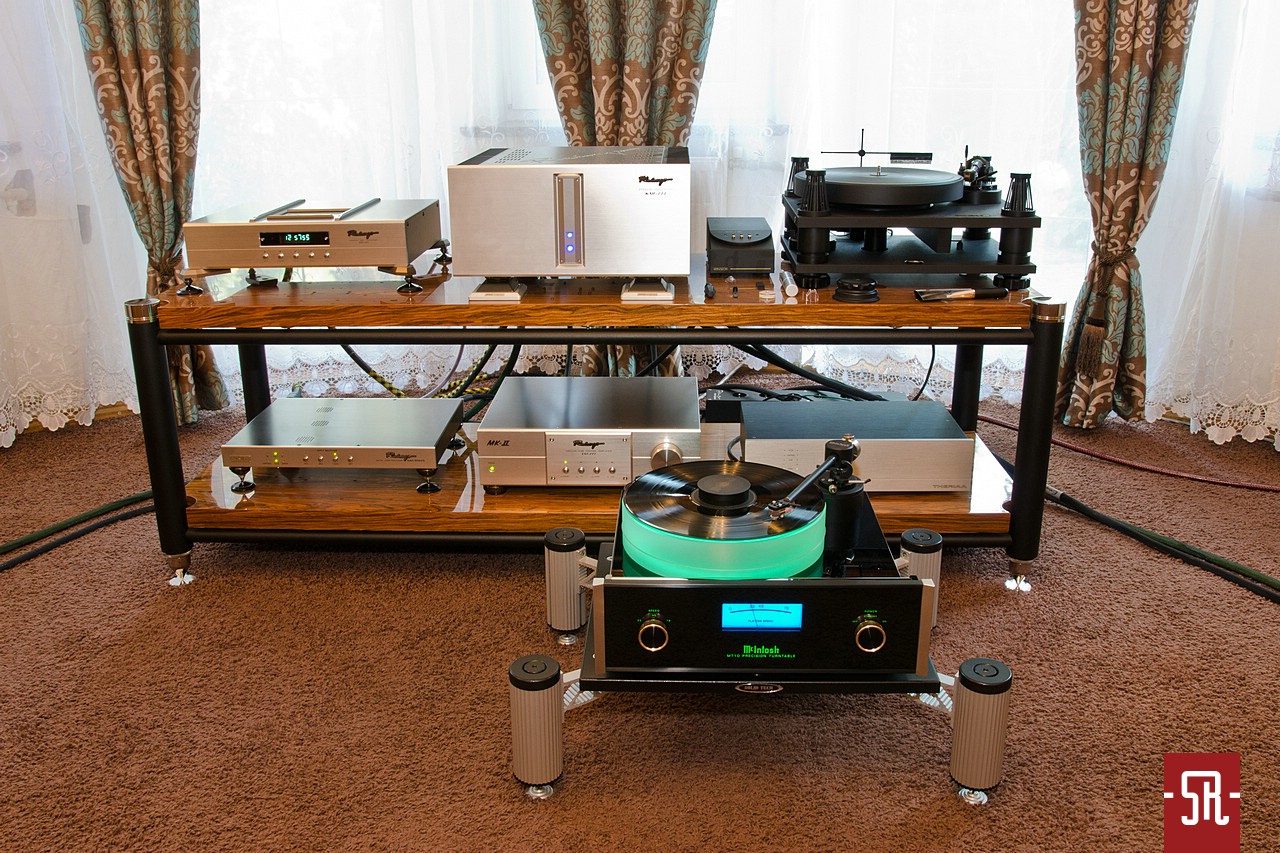


Jak może wyglądać gramofon McIntosha? To pytanie dla znakomitej grupy osób choćby minimalnie zainteresowanych zagadnieniem dobrze odtwarzanego dźwięku z systemu domowego jest swoistym policzkiem. Wkraczając w krainę wskaźników wychyłowych, czarnych szklanych frontów i podświetlania intensywną zielenią, wszystkiego co tylko jest możliwe, nie możemy liczyć na jakiekolwiek ustępstwa – w dobrym tego słowa znaczeniu. To ma być kontynuacja dawno wypracowanego designu i wręcz szkodliwym byłoby odejście od takich standardów. Stawiając na wyeksponowanym miejscu nasz nowo nabyty gramofon, naszym oczom ukazuje się ogólnie przyjęty pomysł na bryłę urządzenia rodem z amerykańskiego snu. Jedyna różnica to taka, że proces przygotowujący podstawę pod talerz i ramię, zmusił konstruktorów do obcięcia górnej części typowego gabarytowo urządzenia, czyniąc z niego takim zabiegiem coś na kształt kabrioletu. Przód naszego bohatera jest pełnej wysokości frontem seryjnego produktu, na którym w centralnej części zaimplementowano podobny do UV Metrów wskaźnik zadanej prędkości obrotowej, a pod nim wkomponowano mieniące się zielenią logo marki. Po obu stronach tego pomysłowego obrotomierza znajdziemy jeszcze po jednej gałce, z której lewa pozwala na wybór prędkości, a prawa wyprowadza nasz gramofon ze stanu całkowitego wyłączenia do STANDBY lub ON. Wieńcząc wygląd całości, boczne krawędzie ciemnej szyby uzbrojono w aluminiowe nakładki. Ot takie pieczołowite przywiązanie do detali. Idąc dalej, przygotowana śmiałym cięciem płaszczyzna nośna dla lekko z lewej strony umieszczonego talerza, kontynuuje zaczerpniętą z frontu czerń, jednak tym razem bazując na materiale akrylowym. Ramię i silnik umieszczono standardowo, czyli w lewym tylnym rogu motor, a prawym wysięgnik dla wkładki gramofonowej. Napęd na podświetlany oczywiście na zielono, gruby i wykonany ze zmatowionego akrylu blok talerza przekazywany jest przez przeźroczysty okrągły pasek. Z uwagi na twarde osadzenie werku na docelowej półce, w celach eliminacji potencjalnych zakłóceń od podłoża, wspomniany nośnik płyt winylowych (talerz) zawieszono na łożysku porcelanowym ze „wspomaganiem” magnetycznym. Kończąc temat wyglądu wspomnę jeszcze, że na tylnym panelu przyłączeniowym mamy dające możliwość żonglerki kablarskiej terminale RCA, zacisk uziemienia i małe gniazdo dla zasilacza wtyczkowego. Jak zdążyłem zaanonsować na wstępie, dostarczony do zaopiniowania egzemplarz wyposażono w zajmującą środek oferty japońskiej LYRY wkładkę Kleos. W wyposażeniu zestawu znajdziemy jeszcze grubą nakładaną na talerz filcową matę i średniej wagi docisk.
Zanim zgłębię sprawy natury brzmieniowej, muszę się przyznać, że bijący poświatą zieleni talerz, naprawdę potrafi zniewolić zmysł wzroku. Byłem bardzo sceptycznie nastawiony do tego pomysłu, ale kilkunastodniowy organoleptyczny kontakt sprawił, iż teraz postrzegam to nieco inaczej. To trochę trąci myszką, ale na tle mojego industrialnie wyglądającego SME 30 z pewnością może się podobać i nie widzę w tym niczego zdrożnego. Ale do rzeczy. Kilka czarnych krążków na produkcie odniesienia, potem ten sam zestaw na pretendencie do laurów i wszystko było jasne. Moim zdaniem zabawa w analog z marką McIntosh zaczyna się w momencie wyeliminowania startowej, sygnowanej logo marki wkładki gramofonowej ze sprzedawanego kitu – kit, czyli zestaw napęd-ramię- wkładka, z czego jedynie ta ostatnia jest możliwym do wybory komponentem. Nie żebym był złośliwy, ale wcześniej słyszałem pełen set oflagowany znakiem firmowym i może jako ładnie wyglądający dla odwiedzających nasz dom gości element wystroju wnętrza się sprawdza, ale do wymagającego grania na poziomie jak w tej testowej konfiguracji „trochę” mu brakowało. Na początek może być, ale szybko odkryjemy, że można zdecydowanie lepiej. Proszę się jednak nie przejmować, gdyż takie postawienie sprawy gotowych zestawień jest standardem i nie wiedzę tutaj niczego, co miałoby wskazywać na nabijanie klienta w butelkę. Będąc zaprawionym w bojach z analogiem, już przy kupnie możemy podjąć decyzję aplikacji bardziej wyrafinowanego czytnika głębokości rowka na płycie, a jeśli dopiero zaczynamy, mamy coś niedrogiego na start. Jak zaskoczymy, to biada naszym portfelom i żonom. Wierzcie mi, wiem coś o tym z własnego podwórka. Wracając do ocenianego zestawienia, na tle stacjonującego u mnie na co dzień popularnie zwanego „S.M.E.ka”, ciężar grania przesunięty jest lekko ku górze. Mniejsze wysycenie dźwięku powoduje zwięźlejsze prowadzenie basu, nieco lżejszą prezentację wokalistyki i zdecydowanie większy udział górnych rejestrów w prezentacji materiału muzycznego. To po kilku płytach prawie odchodzi w niepamięć, ale w systemach zrównoważonych, lub ocierających się o odchudzenie, może być różnie odbierane. Moja układanka audio w pakiecie budowania dźwięków ma rys krągłości i to co zaprezentował Mac, nie wprowadzało najmniejszych szkodliwych problemów, ale jeśli ktoś z potencjalnych nabywców natrafi na takowe, dzięki wspomnianym wyjściom RCA, a nie na stałe podłączonym do ramienia kablom, może modelować brzmienie na swoją modłę, oczywiście w rozsądnych granicach oczekiwań. To wie chyba każdy z naszych czytelników, dlatego przejdę do dalszej części tekstu. Dobrym przykładem dla pokazania skutków nieco wyższej tonacji brzmieniowej przedstawiciela zza wielkiej wody, może być dwupłytowy wytłoczony na grubym winylu przy prędkości 45 obrotów na minutę album Jacinthy „HERE’S TO BEN”. Ogólnie rzecz biorąc, krążek ten jest nieco przebasowiony w procesie masteringowym, ale w większości dobrze kontrolujących najniższe składowe systemów wypada zjawiskowo, choć często na granicy równowagi tonalnej. I gdy również mój system radzi sobie jakoś z tym mankamentem, to obróbka głębokości rowka przez MT 10 sprawia, że ta kompilacja dostaje czasem oczekiwanej świeżości. Głos wokalistki oczywiście traci nieco masy, ale ilość informacji o jej stanie migdałków w utworze „Danny Boy” rekompensuje takie potraktowanie materiału muzycznego. Spoglądając na prezentację instrumentów, zaznamy różnych skutków zmniejszenia masy dźwięku, od zdecydowanie świeższego fortepianu i niosącej niezliczoną ilość informacji o blachach perkusisty w górze pasma, po osłabieniu wolumenu tak uwielbianego przez mnie saksofonu, czy zebraniu się w sobie kontrabasu. Ale powtarzam, pokazuję jak to wygląda, a nie, że w tych aspektach jest gorzej w wartościach bezwzględnych, gdyż każdy postrzega świat nieco inaczej, a spory udział w tym ma również posiadany sprzęt. Wspomniana produkcja płytowa wystarczyłaby do pokazania wszelkich aspektów odtwarzania zapisu rowkowego, ale dla dokładniejszego spojrzenia na budowanie wirtualnej sceny muzycznej, sięgnąłem po równie dobrze zrealizowany materiał z oficyny Linn Records zatytułowany „Messiah” George’a Friderica Handel’a. Już początek tej trój-kążkowej opowieści o naszym stwórcy pokazał jak na dłoni sposób oddania pieczołowicie zrealizowanego materiału muzycznego. Porozrzucane po scenie instrumentarium było dość dobrze lokalizowane, ale nieco bliżej i ciaśniej niż u mnie. Co więcej, przy występowaniu kilku instrumentów smyczkowych wspomniane przesunięcie barwowe trochę dawało o sobie znać, w postaci utraty rysu konturowego źródeł pozornych, w konsekwencji gubiąc nieco efekt tak zwanego czarnego tła. Całość przekazu była spójna, ale oscylowała raczej w wadze lekkiej niż uznawanej za królewską – ciężkiej. Niemniej jednak, gdy do głosu dochodził kontrabas i organy, z powodzeniem słychać było zapisane na płycie niskie pomruki. Może nie masowały moich wnętrzności, ale swój udział zaznaczały dość wyraźnie. W tym miejscu po raz kolejny muszę zaznaczyć, że drapak Maca stawał w szranki z trzykrotnie przewyższającym go cenowo gigantem świata analogu, dlatego biorąc me spostrzeżenia pod rozwagę, raczej widziałbym je jako osiągnięty pułap grania, a nie wady same w sobie. Gdzieś musi być ta co prawda słyszalna, ale chyba zbyt makabryczna różnica w żądanej ilości banknotów Narodowego Banku Polskiego. I proszę nie brać moich zapewnień co do wartości postrzegania marki SME jako przechwałki, tylko spojrzeć na tuzów tej działki audio, a przekonacie się, że znakomita większość produkując niebotycznie drogie napędy, wyposażając je, posiłkuje się posiadanym przez mnie ramieniem SME V, a to chyba o czymś świadczy. Niemniej jednak to, co zaprezentował dostarczony prze warszawskiego dystrybutora gramofon, było bardzo dobrze radzącą sobie propozycją dla wielbicieli analogu, którzy chcą pozostać w rodzinie McIntosha. Zapewniam, że większość miłośników tego formatu zaskoczy poziom grania amerykańskiej MT dziesiątki. A że ja trochę narzekam, no cóż, jak zaznacie na co dzień mojego punktu odniesienia, wtedy zrozumiecie co mam na myśli, kreśląc podobne do wspomnianych uwagi.
Szczerze? Przystępując do testu, trochę się obawiałem, gdyż nie sądziłem, że tak prosta w stosunku do mojego gramofonu konstrukcja sprawi mi tyle przyjemności. Nie będę wymieniał różnic w budowie obu werków, ale zapewniam, to są dwa inne światy podejścia do eliminacji szkodliwych drgań i zebrania informacji z rowka płyty winylowej. A mimo to, doświadczyłem sporo bardzo przyjemnych doznań. Oczywiście przypominam o całkowicie innej niż startowa wkładce w testowanym modelu, co znając moje wymogi soniczne, było wkalkulowane w owe spotkanie na szczycie. Przekaz był nieco mniej dociążony niż bym oczekiwał, ale dzięki temu miał kilka pozytywnych aspektów w postaci zwartości czasem lejącego się basu, czy rozdzielczości środka pasma. Na koniec tej przygody sprawdziłem jeszcze co wnosi aplikacja firmowego phonostage z zestawu C1000 McIntosha w mój tor odsłuchowy i stwierdzam, że lampowa estetyka manufaktury zza wielkiej wody nieco pomogła wypunktowanym aspektom. Nie był to stuprocentowy zwrot akcji, ale przy zwiększeniu homogeniczności środka i góry pasma, bas również nieco zyskał, zwiększając swój udział w generowaniu dźwięku. Tak więc tylko osobista konfrontacja w docelowym zestawie pozwoli okrasić w stu procentach, czy to nasza bajka. I zapewniam, nie musi to być jedynie wielbiciel i posiadacz Macowego systemu. Wystarczy zakochać się w designie, a ścieżkę naszej przygody z winylem możemy nieoczekiwanie zakończyć właśnie w mieniącym się czernią, błękitem i zielenią świecie audio.
Jacek Pazio
System wykorzystywany w teście, to kompletny zestaw firmy Combak Corporation
Elektronika Reimyo:
– dzielony odtwarzacz Cd: CDT – 777 + DAP – 999 EX
– przedwzmacniacz lampowy: CAT – 777 MK II
– tranzystorowa końcówka mocy: KAP – 777
Kolumny: TRENNER & FRIEDL “ISIS”
Kable zasilające: Harmonix X-DC 350M2R Improved Version
Kable głośnikowe: Harmonix HS 101-EXQ (sekcja średnio-wysokotonowa), Harmonix HS 101-SLC (sek
cja niskotonowa)
IC RCA: Harmonix HS 101-GP
IC cyfrowy: Harmonix HS 102
Stolik: SOLID BASE IV
Akcesoria:
– antywibracyjne: stopy pod końcówkę mocy Harmonix TU 505EX MK II
– platforma antywibracyjna SOLID TECH
– zasilające: Harmonix AC Enacom Improved for 100-240V
– akustyczne: Harmonix Room Tuning Mini Disk RFA-80i
– listwa sieciowa: POWER BASE HIGH END
Tor analogowy:
– gramofon:
napęd: SME 30/2
ramię: SME V
wkładka: MIYAJIMA MADAKE
przedwzmacniacz gramofonowy: RCM THERIAA

Orfeo to nowe, referencyjne monitory firmy Xavian. Jest to dwudrożny zestaw typu bass-reflex. Cena nie jest jeszcze znana, ale w przybliżeniu ma ona wynosić około 6000 euro.
Konstrukcja ta jest owocem 25-letnich doświadczeń Xaviana w produkcji zestawów głośnikowych. Aby osiągnąć postawione cele jakościowe potrzebne były głośniki lepsze niż te dostępne u znanych dostawców skandynawskich. Na potrzeby Orfeo opracowano głośniki AudioBarletta. Zawierają one specjalnie dobrane części mechaniczne, membrany, impregnaty i materiały.


Obudowa Orfeo jest wykonana z selekcjonowanego włoskiego orzecha. Obudowa musi dojrzewać przez trzy tygodnie zanim zostanieobrobiona i wykończona. Dodatkowo w obudowie wykorzystane są kanapkowe materiały bitumiczne. Aluminiowy port znajduje się na tylnej ściance. Dwie pary terminali Xavian pozwalają na połączenie bi-wire lub bi-amp.
Zwrotnicę wykonuje się z podzespołów najwyższej jakości pochodzących z firmy Mundorf. Wybór części jest podyktowany w pierwszej kolejności wpływem na jakość odtwarzania muzyki. Zwrotnica wykorzystuje firmowy system Fase Zero dla uzyskania dokładnej zgodności fazy.
Niskośredniotonowy głośnik AudioBarletta o rozmiarze 175 mm ma specjalaną, impregnowaną membranę papierową, aluminiowy stożekfazowy, odlewany kosz, karkas z kaptonu, jak to określa producent ekstremalny napęd magnetyczny, miedziany pierścień dla minimalizacji zniekształceń, bardzo dużą dynamikę i bardzo szerokie rozciągnięcie. Wysokotonowy głośnik AudioBarletta ma 29-milimetrową cewkę, selekcjonowaną, impregnowaną, miękką kopułkę, miedziany pierścień zwierający, labiryntową komorę, płaski aluminiowy drut, odlewany front z kontrolowanym promieniowaniem.
Kilka słów od Roberta Barletty na temat Orfeo
„Barwy muzyki, naturalność, spójność, dynamika, niski poziom zniekształceń: wszystko na rekordowym poziomie. Aby osiągnąć te wyniki, wykorzystaliśmy wieloletnie doświadczenie we współpracy ze skandynawskimi producentami głośników i uruchomiliśmy produkcję naszej własnej, unikalnej marki AudioBarletta przewyższającej skandynawskie produkty. Projektujemy wybrane części mechaniczne, selekcjonujemy membrany, impregnaty, materiały i kształy, wszystko po to, aby spełnić nasze marzenie o doskonałej reprodukcji muzyki. Obudowa Orfeo wykonana jest wyłącznie z najwyższej jakości orzecha włoskiego, bez użycia żadnych, sztucznych materiałów. Drewno na obudowę, dojrzewa przez trzy tygodnie, zanim zacznie być frezowane i wykańczane. Elementy zwrotnicy, wykonywane są z najlepszych, dostepnych na świecie komponentów. Na wybór właśnie takich komponentów, wpływ miała przede wszystkim jakość muzyki. Zwrotnica wykorzystuje nasz oryginalny system „Fase Zero” zapewniający idealną spójność fazową.”
Zestawy będą miały polską premierę w dniach 29, 30 maja w Premium Sound w Gdańsku. Obecny na niej będzie Roberto Barletta.
Dane techniczne Xavian Orfeo:
Efektywność ….. 85 dB (2,83V/1m)
Impedancja nominalna …. 8Ω
Zalecana moc wzmacniacza ….. 50-300W
Pasmo przenoszenia …. 33-30.000 Hz (-3 dB na osi)
Częstotliwość podziału …. 2.250Hz
Wymiary WxSxG ….. 380 x 236 x 282 mm
Masa …. 17kg sztuka
Gwarancja 5 lat
Dystrybucja: Moje Audio

Limitowana wersja „sześćdziesiątki” Furutecha (e-TP60R LE).
Ta popularna wersja terminala zasilającego została „wydana ” w limitowanej wersji. Od standardowej listwy różni się innymi gniazdami i wewnętrznym okablowaniem.
Gniazda w wersji LE to rodowane FI-E30R w ilości sześciu sztuk, a okablowanie wewnętrzne ma nieco większą średnicę. „Układ elektryczny” został poddany dwustopniowemu procesowi kriogenicznemu. Obudowa listwy została wykonana z blach aluminiowych i skręcona, stanowiąc zwartą i sztywna całość. Wewnątrz zastosowano firmowe rozwiązanie o nazwie Formuła GC-303, którego zadaniem jest redukcja zakłóceń EMI powstających wewnątrz obudowy. Cena detaliczna za terminal to 2 190zł.
Dystrybucja: RCM

Wrocławski salon audio FUSIC oraz Piotr Guzek Impresariat mają przyjemność zaprosić na kolejną imprezę z cyklu „Audiofil”, która odbędzie się w najbliższy weekend we wrocławskim hotelu Qubus.
Tym razem gospodarzem imprezy będzie Fusic, a do udziału zaproszonych zostało wielu znakomitych gości, zarówno w dosłownym rozumieniu tego słowa, jak i w przenośni. Za świetną oprawę, repertuar oraz prezentację odpowiadał będzie znawca i miłośnik Muzyki (przez duże M) – Piotr Guzek.


Gwiazdą dwudniowej prezentacji będzie niewątpliwie elektronika polskiego producenta AbysSound. Zaprezentowane zostaną dwa systemy – pierwszy: w oparciu o znane już ASP 1000 i ASX 2000 (przedwzmacniacz oraz końcówka w klasie A), wzbogacony o premierowy przedwzmacniacz gramofonowy ASV 1000. Drugi system to polska premiera i nowość – wzmacniacz zintegrowany z pre gramofonowym i przetwornikiem cyfrowo-analogowym – ASA 1600.
Wzmacniacze będą zapewniały prąd znakomitym kolumnom głośnikowym w nietuzinkowym wykończeniu – KEF Reference 3 Copper Black. Musicie je zobaczyć, musicie ich posłuchać…
Kolejnym gościem na wrocławskiej imprezie będzie Oppo. Polski przedstawiciel marki pokaże, zaprezentuje i udostępni „do wypróbowania” cały asortyment tegoż producenta.
Muzyka najwyższej jakości będzie odtwarzana z trzech źródeł – odtwarzacza płyt CD, odtwarzacza plików oraz – oczywiście – gramofonu. Odtwarzacz płyt CD będzie chyba niespodzianką dla większości bywalców – do dyspozycji będzie X05 marki Esoteric.
Prawdopodobnie również Nirvana. Tak – Dubiel Nirvana. Akumulatorowo zasilany polski odtwarzacz płyt CD. Odtwarzacz plików to będzie niedrogie urządzenie francuskiej marki Atoll – model ST200.
Analogowe brzmienie zapewni tym razem gramofon EAT Forte S – żadna nowość, ale raczej rzadko spotykany, pięknie wykonany i technicznie dopracowany model austriackiego producenta.
W spotkaniu będą brali udział przedstawiciele producentów oraz salonu audio Fusic. Wstęp – jak zwykle – wolny.
Wrocław, Hotel Qubus, 30-31 maja w godz. 10-18.
Nie zabraknie dobrych wrażeń, używanych płyt winylowych i długich rozmów po zakończeniu prezentacji.
Zapraszam – Duda. Daniel Duda.

Jeśli ktoś nie miał jeszcze przyjemności odwiedzenia tej corocznej uczty dla audiofila i melomana, raczej nie jest w stanie wyobrazić sobie ogromu tego przedsięwzięcia. Dwie podwójne hale na parterze, dwa sporej wielkości atria i dwa dwupiętrowe ciągi mniejszych pokoi sprawiają, że aby choćby pobieżnie zawitać do każdego wystawcy, trzeba mocno się streszczać. Będąc już drugi raz i nauczony co prawda jednorazowym, ale jednak pewnym doświadczeniem, postanowiłem obrać jakąś sensowną strategię, wykorzystując pierwszy dzień na ogólne rozpoznanie materii (czwartek), by swe moce odsłuchowe skierować na piątek z możliwością lekkich korekt w sobotę. Oczywiście przez cały czas zastanawiałem się nad jakimś sensownym tematem lub strukturą tej rozprawki, ale im bardziej szedłem w las – czytaj zaznajamiałem się z dźwiękiem poszczególnych wystawców, tym bardziej skłaniałem się jedynie do opisania swoich wrażeń z pokoi, w których udało mi się spędzić w spokoju kilkanaście minut przy muzyce. Niestety rozgłos, jaki monachijskie targi zdążyły wypracować sobie na przestrzeni kilkunastu lat, nawet w dniu dla prasy nie gwarantuje błogiej ciszy kontemplacyjnej podczas zaznajamiania się z dźwiękową propozycją danego dystrybutora, czy producenta. Jednak jeśli jesteśmy cierpliwi, wszystko jest możliwe, czego dobrym przykładem jest kreślony właśnie tekst.
Na wstępie muszę przypomnieć starą prawdę, że każda wystawa – nawet tak znana – rządzi się swoimi prawami i przy lekturze dowolnej oceny osoby trzeciej (np. recenzenta), musimy brać poprawkę na zastany materiał muzyczny, nie zawsze idealne miejsce odsłuchowe, zmęczenie trzydniowym maratonem, czy tak prozaiczne zagadnienie, jak uprzedzenia owego słuchacza do pewnych rozwiązań konstrukcyjnych. Jednak z drugiej strony, jeśli ktoś na przestrzeni kilku przeczytanych recenzji zdążył się zapoznać z preferencjami danego osobnika, może liczyć na czytelność przekazu, co wydarzyło się na minionej imprezie. A działo się wiele. Zanim przejdę clou mojego streszczenia, muszę napomknąć, że tak jak drogie urządzenia audio, również świat analogu oszalał na punkcie rozmiaru i prawie każda licząca się marka musi mieć w swoim portfolio jakiś monstrualnie olbrzymi werk. To wyraźnie zaczyna przypominać pogoń za High Endem, ale gdy wzmacniacze i końcówki mocy można od biedy postawić na najprostszej separującej od podłogi granitowej płycie lub dedykowanej platformie, gramofon niestety w tej materii jest bardziej wymagającym elementem toru audio. Nie wiem jak to się skończy, ale jedno wiem na pewno, rozmiar w tym przypadku nie jest najważniejszy i jeśli nawet coś tak wymyślnego chwyta nas za oko, radzę sprawdzić na własnej skórze, czy przypadkiem nie jest to przerost formy nad treścią. Kolejnym hitem analogowych wytwórców jest Ilość ramion, która nie ogranicza się do w pełni wystarczającej liczby dwóch – mono, stereo – tylko osiąga ilość czterech rasowych samobieżnych dział. Ludzie mają problem zaopatrzyć się w dwa dobre rylce, a tu panowie konstruktorzy fundują nam fantastyczną skarbonkę. Ale co tam, nie będę się czepiał, gdyż nawet gdy sam takiej ilości nie potrzebuję i z pewnością nie kupię, to ktoś inny choćby dla błyśnięcia przed sąsiadami może zechcieć uzbroić się w ful wypas. Kto bogatemu zabroni. Kończąc ten przydługi wstęp, chcę zagaić jeszcze o innym szaleństwie. Mianowicie, jest spora grupa producentów, która jeśli nie jakością brzmienia, to przynajmniej dziwactwem wzorniczym chce zaistnieć w panteonie wyróżnionych. Początkowo zbierałem takie fotograficzne kwiatki do dzisiejszej relacji, ale nic sensownego z tego by nie wyniknęło, dlatego zarzuciłem ten pomysł, pozostawiając Was z prawie tysiącem zdjęć Marcina, na których bez najmniejszych problemów wyłapiecie wspominane przed momentem pokraczne produkty. Oczywiście czasem te szkarady nieźle grają, ale pęd ku rozpoznawalności za wszelką cenę, jakoś mnie nie przekonuje. Ok. Wystarczy tego lania wody. Zapraszam na przechadzkę po wystawie, okraszoną zdjęciami poszczególnych pokoi ze skrótowymi opisami zaznanych tam muzycznych doznań. A zaręczam, było bardzo ciekawie.
1. Tidal. Nie od dzisiaj wiadomo, że zastosowanie diamentowych przetworników na górze i środku przynosi wiele dobrego dla dźwięku. Tak też było i tym razem, fundując słuchaczom nieprzebraną ilość informacji w fantastycznej jakości, czyli bez najmniejszych oznak natarczywości nawet przy dużych poziomach głośności. Spędziłem tam ładnych kilkanaście minut i bez względu na rodzaj odtwarzanej muzyki me wyczulone na wszelkie zniekształcenia ucho nie zgłosiło ani jednego punktu spornego w tym temacie. Co ciekawe, całość zestawu okablowano mocno rysującą krawędzie marką Argento (Flow Master Reference), a mimo to, a może właśnie dlatego, dzięki umiejętnemu wykorzystaniu potencjału wspomnianych drutów, przekaz muzyczny czarował wszystkich jedynie świeżością konturowo generowanych dźwięków. Brawo.


2. Magico, Constellation Audio. Początek słuchania był występem Kasi Meluy, która nagrana bez szału jakościowego, nie zdradzała traktowania mnie nadmierna ilością sybilantów. Kolejna porcja muzyki to rasowy sampler. O dziwo jak na warunki lokalowe bas nie buczał, zdradzając przy tym oznaki dobrej mięsistości. Ocena sceny muzycznej z racji dość szerokiej bazy w stosunku do miejsca odsłuchowego była ciężka, ale dzięki występom podrasowanej płyty jako dawcy sygnału było dobrze. Może bez oddechu rodem z diamentowych Tidali, ale niczego nie brakowało. Na koniec załapałem się na materiał operowy i dopiero ten pokazał dobitnie, że gdy realizator przyłoży się do pracy, nawet niekomfortowe rozlokowanie kolumn nie zburzy ładu na może niezbyt głębokiej ze względu na warunki , ale idealnie lokalizującej artystów scenie muzycznej.


3. Devialet, B&W Nautilus. Popularne ślimaki zawsze są wydarzeniem. Tym razem napędzane ośmoma mocarnymi Devialetami dawały dobrą kontrolę niskich tonów, ale z nieco innym nasyceniem niż podczas słuchania 801-nek w warszawskim salonie. Inaczej wypadała również prezentacja górnego zakresu, który jeśli materiał zdradzał nadmiary sybilantów, nie omieszkał mnie o tym poinformować. Ciekawostką jest zagonienie do pracy znanej chyba wszystkim prądowej Hydry, ponieważ zawsze odbieram ją jako ugładzenie szaleństwa wysokich tonów, a mimo to czasem coś się przebiło Przejście na gramofon nie powodowało znaczącej zmiany, gdyż barwa nadal krążyła w estetyce chłodnej domeny zerojedynkowej. Znam takich, co lubią gdy analog swoim sposobem prezentacji wtóruje cyfrze, ja jednak wolałbym nieco więcej mięsa i gładkości. Co by jednak nie pisać o zastanym dźwięku, zakres prezentowanych informacji przez ten zestaw był nad wyraz satysfakcjonujący.


Devialet Silver Phantom. Jeśli ktoś chciał znaleźć się w centrum akcji filmu zatytułowanego „Ja robot” z Willem Smithem w roli głównej, powinien udać się na prezentację najnowszego dziecka tej francuskiej manufaktury. Kilkanaście spiętych w całość samobieżnych grajków, dało pokaz możliwości aranżacji w naszym pomieszczeniu, przyzwoitych wartości sonicznych i pełnej współpracy bez względu na ilość sztuk w konfiguracji. Czy to jest High – End w czystej postaci jaką znam, nie jestem pewien, ale High End Livesyle’u z pewnością tak.
4. Moon, Martin Logan. Jak na wydawałoby się bardzo ofensywne kolumny, było nadzwyczaj przyjemnie. Prezentację sceny odebrałem jako pochodną tub, czyli jakby w kuli. Bardzo ciekawe doznanie, które prawdopodobnie spowodowane było dość sporym dogięciem kolumn ku środkowi. Swoje trzy grosze znowu miała do powiedzenia wspomniana wcześniej Hydra. Zbieg okoliczności, czy tonizujący brzmienie zabieg? Budowanie sceny rozpoczynało się tuż przed słuchaczem. Nie zaliczałbym tego jako zło samo w sobie, ale osobiście wolę zachować pewien dystans od artystów.


5. Audiodata. Nareszcie winyl. Koncentryczne głośniki na froncie budowały znaną mi z codziennego użytku przez ostatnich kilka lat wyśmienitą scenę muzyczną, a wspomagające dolne pasmo niskotonowce umieszczono na bocznych ściankach. Na początku zaznałem trochę niezbyt ambitnej niemieckiej twórczości, ale zagrana nieco później stara wydana przez DECCĘ klasyka była pokazem możliwości formatu i punktowego źródła dźwięku. Mimo, że za głośno (ech), było fantastycznie.


6. Reimyo, Harmonix, Verity. Jak dobrze jest posiedzieć gdzieś na końcu świata przy dźwiękach generowanych przez posiadany zestaw. Może z innymi kolumnami, ale te prezentowane w Monachium bardzo wiernie zbliżają się do posiadanych niegdyś Brav’o Consequence. Nie będę się specjalnie uzewnętrzniał, gdyż nie byłbym bezstronny, ale nie mogłem nie zasygnalizować faktu występów mojego referencyjnego seta testowego.


7. Auris. Po zeszłorocznym proekologicznym wydaniu – obudowy były drewnianymi ogródkami dla wystających lamp elektronowych – przyszedł czas na minimalistyczny industrializm. Co ciekawe, zmiana kolumn z wyśmienicie wypadających, ale według mnie nieco wysilonych Boenicke na wyposażone w zdecydowanie większe przetworniki monitory, przyniosła pozytywny skutek w postaci oddania większej masy dźwięku. Z materiału jakim poczęstowali mnie wystawcy, najbardziej zyskał kontrabas, który teraz bez najmniejszych problemów informował mnie o rozmiarach posiadanego pudła rezonansowego, bez względu na fakt szarpania lub smagania smykiem jego strun. Dla mnie, względem zeszłego roku teraz było ciekawiej.


8. D. Klimo. Firmowa konfiguracja od źródła po kolumny. Gdy zestawy głośnikowe i elektronika nie zdradzały specjalnie kraju swojego pochodzenia, to prezentowane gramofony mogły wyjść tylko spod ręki jednej nacji jaką są Włochy. Prostota i wykwintność w jednym dumnie stojących drapaków wręcz tryskały elegancją. Ale to nie wszystko co miał do zaoferowania ów zestaw, gdyż w najważniejszym aspekcie swojego bytu – czytaj generowaniu dźwięków – zaproponował mi dużą głębię i oddech sceny muzycznej, mimo dość bliskiego miejsca odsłuchu od linii kolumn. Ale ale, w pakiecie otrzymałem również dobrą kontrolę niskich rejestrów, w których brylował wkomponowany w klasyczny utwór kontrabas. Jakość godna naśladowania. Występująca na pokładzie przedniej ścianki wstęga, była nader oszczędna w szkodliwe dla muzyki ostre dźwięki. Nieźle.


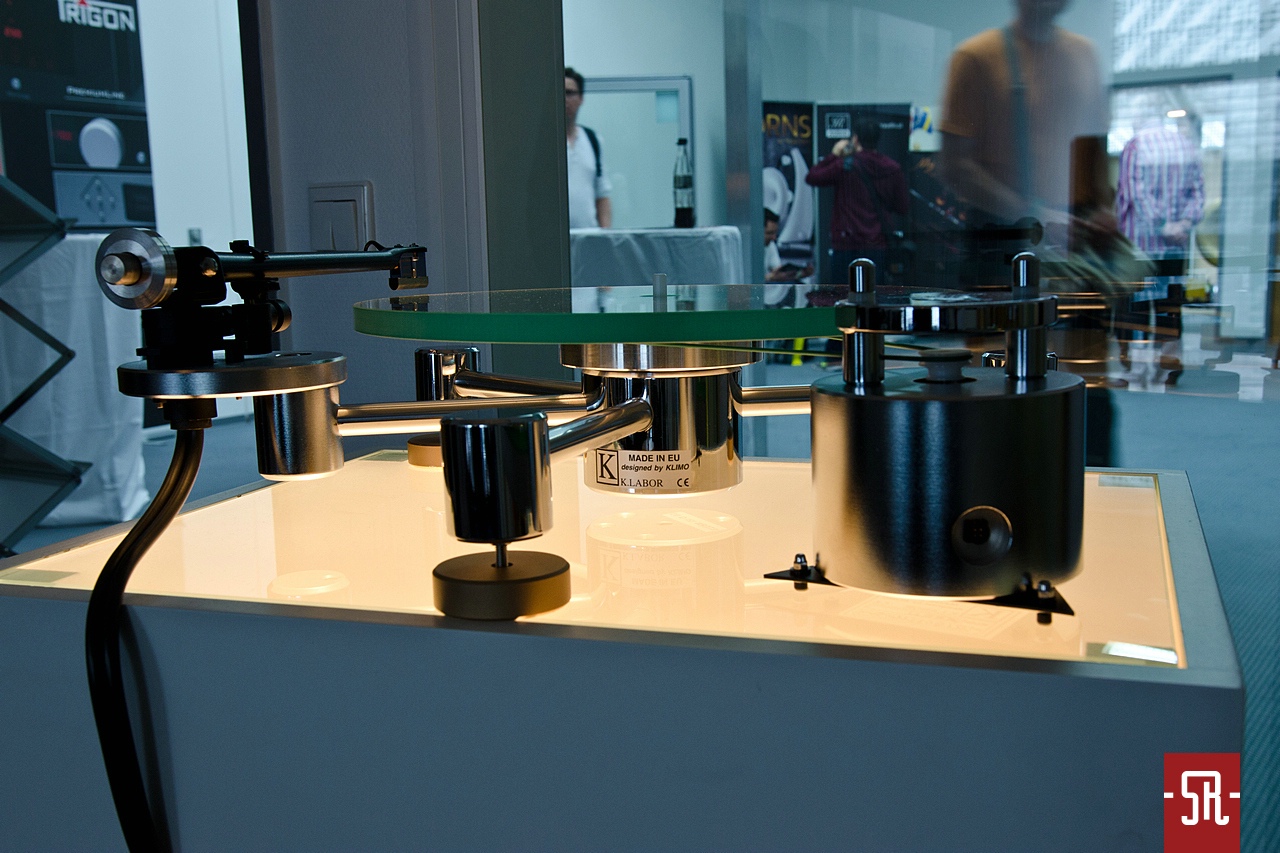
9. JR Audio, Zontek, Auto-Tech, Mysound. Zestaw prezentował się fantastycznie. Ocena grania tub nawet z gramofonem w roli głównej w otoczeniu szklanych ścian byłaby karkołomnym posunięciem. Idąc dalej tropem niezbyt dobrych warunków lokalowych, słuchanie kolumn tubowych siedząc dwa metry przed nimi, raczej nie daje możliwości rozpędzenia się dźwiękowi, w konsekwencji informując słuchacza jedynie o materiale użytym na owe megafony, a nie wyrafinowaniu wydobywających się z nich informacji sonicznych. Niemniej jednak, to co usłyszałem ze starych tłoczeń winylowych, dawało przedsmak ciekawych doznać we własnym zaciszu domowym. Tak trzymać.


10. MSB, Eventus Audio, Request Audio. Na początku trafiłem na stary koncertowy blues, który wypadł niezwykle świeżo, rysując bardzo czytelną scenę. Jednak kilkanaście spędzonych minut z innymi gatunkami muzycznymi pokazało, że mogłoby być nieco więcej rozmachu. To przecież były monstrualnie wielkie jak na warunki domowe kolumniska.


11. Albedo, Audia Flight, Signal Projects. Znam te dwie marki z występów u siebie, jednak z oczko niższych produktów. Prawdopodobnie specyfika warunków wystawowych sprawiła, że jakość generowanej muzyki znacznie odbiegała od zapamiętanych w zaciszu domowym wzorców. Głównym problemem mógł być fakt nie do końca szczęśliwej konfiguracji, gdzie mocno osadzone w masie wzmocnienie wespół z baterią niskotonowców Accutona i niestabilnym podłożem pomieszczenia dało oznaki szwędania się po pokoju niepożądanych niskich składowych. I to jest jedyny przytyk tego pokazu.


12. Metronome Technologie, Focus Audio. Niezłe, ale nieco za ofensywne na górze granie. Może to pokosie zbyt dużego poziomu decybeli, jednak jeśli materiał muzyczny zdradzał choćby minimalne znamiona jakości masteringu, bas był fantastyczny. Głęboki, mięsisty, ale nie bułowaty. Niestety kobiecy wokal czasem wspomagał się sykiem, co jest częstą przypadłością produkcji około popowej, zwanej popularną. Kilka kawałków w takiej estetyce – na inne się nie doczekałem – nie pozwoliło na wyciągnięcie sensownych wniosków.


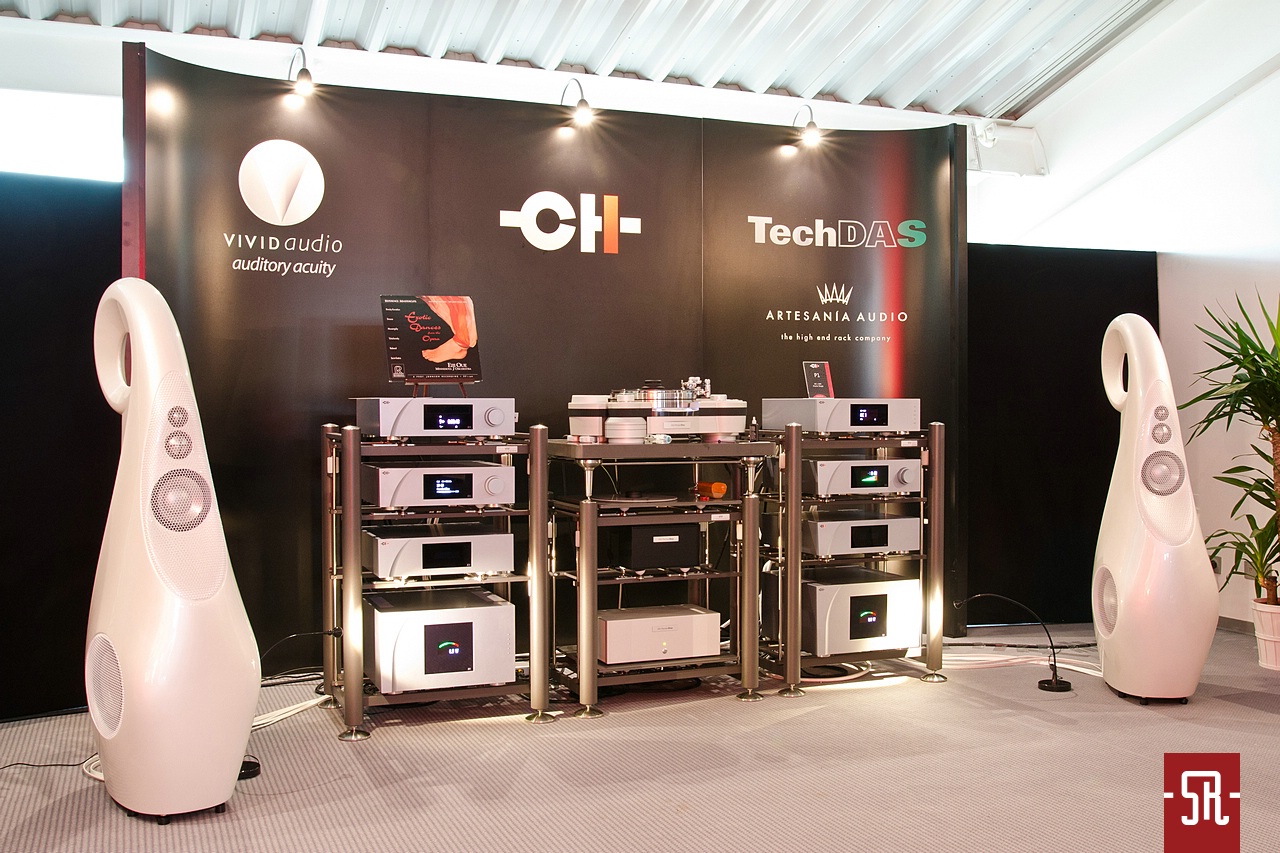
13. Tech Das, Vivid Audio, CH Precision. Niestety, gdy bas wypadł bardzo dobrze, to zbyt głośna prezentacja obnażała z czego wykonane są membrany głośników średniotonowych. Lekko trącało blachą, szkodząc tym nawet wirtuozerskim pasażom trąbki. Jak dla mnie, zbyt duży – czytaj przerysowany – realizm w prezentacji tego instrumentu. A w zeszłym roku było tak pięknie. Ech. Ale nie obyło się bez ciekawostki, gdyż po cichu z boczku stał sobie najnowszy produkt wspomnianego giganta gramofonowego w odsłonie uzbrojonego w cztery ramiona Air Force III. Prawie biedaka udusili.


14. Wiener Lautsprecher Manufaktur. Kult wydziwiania trwa nadal. Dopóki wymyślne wnęki, przepierzenia czy dachowy montaż głośników przynoszą dobre efekty, jest to w pewnym stopniu uzasadnione. Niestety złapałem się na pokaz dość małych podłogówek, które zdradzały problem z reprodukcją basu. Nie było buczenia, ale słychać było, że mocują się z tym pasmem, nie do końca dobrze oddając stopę perkusji. Tak więc, czy takie „ponadczasowe pomysły” zawsze się sprawdzają? Jak się okazuje, konsekwencją tego pokazu było zaprzeczenie.


15. Kawero, Total Dac, Kronos. Zestaw z ciekawie zbudowanym gramofonem, który dla wyrównania obciążenia obrotowego całej konstrukcji, wyposażony został w dodatkowy, ale kręcący się w przeciwnym kierunku niż główny talerz. Innym pomysłem na eliminację szkodliwych dla niego drgań jest bardzo zaawansowane zawieszenie werku, pozwalające na kilkunastomilimetrowe przemieszczanie się konstrukcji, bez wpływu na generowany dźwięk. Bardzo ciekawe doświadczenie wizualne. Innym smaczkiem wzrokowym były stojące obok kolumn monstrualne zwrotnice. Nie wiem ile dobrego wprowadziły do zastanej prezentacji, ale jedno wiem na pewno, przy ogólnie dość dobrym graniu – choć w zeszłym roku grało lepiej, czuć było drobne problemy z dolnymi rejestrami.


16. Thrax. Znam ten set od podszewki, ale jako poszczególne elementy. Mimo, że kolumny mają w sobie coś z tuby (szczątkowe zagłębienie głośników), podczas wystawy całość grała nad wyraz gładko i spokojnie. Z pewnością pomagały w tym źródła w postaci C.E.C.a TL0 i uzbrojonego w dwa ramiona gramofonu. Jednak jak dla mnie mogłoby być nieco więcej masy w środku pasma, co bez najmniejszych problemów uzyskiwałem podczas sesji testowych z różnymi komponentami. Co by nie pisać, dla zwolenników szybkości i swobody przekazu jest to bardzo interesująca propozycja.


17. Trilogy, Boenicke, Cad, Isol 8. Wszyscy chyba wiemy, co prezentują te umieszczone w obudowach dla krasnali maleńkie przetworniki. Ponadprzeciętne zdolności do generowania teoretycznie niedostępnych dla siebie dźwięków, w połączeniu z hybrydową integrą z Wysp Brytyjskich dało rzadko spotykany na tej wystawie pokaz budowania wirtualnej sceny muzycznej. Tylko tyle i aż tyle.


18. Marten, MSB Technology, Jorma Design. Ciekawie, bez natarczywości, ale lekkimi problemami z basem. Jednak nie oszukujmy się, to nie jest set do blaszano – szklanych pomieszczeń wystawowych. Zwracam uwagę na ustroje akustyczne, które swego czasu na jednym z for internetowych wywołały spory opór materii audiofilskiej. Pozostawiam to bez komentarza, jednak jeśli spełniają swoje zadanie, to nie ma o co kruszyć kopii. Poza tym, prawdopodobnie właśnie dzięki nim dostałem dobrą ilość informacji w górze i środku pasma przenoszenia, bez oznak chaosu dźwiękowego.


19. Tech Das, Wilson Benesch, CH Precision. Gdy połączenie oczko wyższego gramofonu Tech Dasa z podobną elektroniką I kolumnami Vivid Audio niezbyt dobrze wypadło w mych oczach, to teraz było zdecydowanie muzykalniej. Co prawda bas stracił nieco na konturowości, ale czasem luźniej znaczy przyjemniej, a z dwojga złego wolę to drugie. Powodem takiego obrotu sprawy mogły być stojące obok monitorów suby z bijącymi pionowo głośnikami. Niemniej jednak było ok. Dla fanów tworzenia klonów sprzętowych załączam fotki z przekrojami kolumn i gramofonu. Panowie do dzieła.


20. DP EAR Yoshino. Szpulak jednak potrafi zrobić przedstawienie. Do tego kolumny Graham Audio nastawione na środek pasma plus synergicznie zestawiony set lampowy i nawet lekko współgrająca z nimi podłoga dawała fajny efekt masowania wnętrzności bez oznak mulenia.


21. Ascendo, CAT, Vermer Audio. Monstrualna wstęga nigdy nie wróży u mnie spektakularnych doznać natury gładkości dźwięku. Tymczasem, mimo że w tej aplikacji nie oszukujmy się, dawała sporo informacji, to odbywało się to bez oznak pierwszoplanowości. Oczywiście zaletą takiego przetwornika jest ponadprzeciętnie napowietrzona scena muzyczna, za którą dałbym się pokroić. Nie wiem, czy prezenter ma konszachty z diabłem, ale pokazał dobitnie, dlaczego warto jest mieć taki głośnik w torze. Chrypa śpiewającego artysty w wykonaniu tych kolumn jak na dłoni pokazywała każdą strunę głosową. Taki pokaz pozostaje w pamięci dość długo.


22. Auralic, Kawero. Bardzo udana prezentacja. Może bez fajerwerków, ale swobodnie i z otwartym dźwiękiem. Jedyny minus? Fluoroscencyjna poświata męczyła wzrok, sprawiając, że zmuszony do zamknięcia oczu słuchacz, mógł oddać się jedynie najważniejszej podczas takich spotkań czynności – chłonięciu muzyki. Ale kwestia zaliczenia in plus lub minus takiego doświetlenia zestawu, ostatecznie pozostaje nierozstrzygnięta, gdyż ja wolałbym cos bardziej nastrojowego.


23. Alluxity, Pari Passu. Nie wiem co nie podobało się naszemu dystrybutorowi u młodszego przedstawiciela rodziny Vitusów, ale to wystawowe połączenie z japońskimi kolumnami uważam za bardzo dobre. Naładowana emocjami słodka i czytelna góra pasma z dobrym środkiem i zwięzłym basem czarowały każdą generowaną nutą. Przez cały czas pobytu w tym pokoju odczuwałem spokój płynącej muzyki, który notabene powinna ze sobą nieść. I chyba ta muzykalna oaza wytchnienia była solą w oku dla przedstawiciela tej marki w Polsce. Na szczęście świat różnymi punktami widzenia potwierdza swoje piękno, gdyż dla mnie ta prezentacja oferowała pokłady oddechu i nasycenia, znakomicie wpisując się w kanon oczekiwań. Werdykt – uczeń prześcignął mistrza.


24. Vitus, Gauder Akustik. No cóż, prawdopodobnie się pogrążę, ale w skali muzykalności nie kto inny, jak spadkobierca rodu pokazał z czym to się powinno jeść. U seniora dostaliśmy przykład przekładania szybkości i konturowości ponad tak przyjazną dla ucha homogeniczność przekazu. Oczywiście to jest moje postrzeganie piękna muzyki, dlatego nie czuję się uprawniony do negowania zastanego połączenia, kreśląc jedynie kilka osobistych uwag. A wspominam o tym, by udowodnić że, nie zawsze „czym skorupka za młodu nasiąknie, tym na starość trąci” i w jednej rodzinie mamy dwa inne światy prezentacji muzyki. I o to chyba chodzi, by mieć wybór. Ok. nie narażam się więcej, gdyż P. Vitus senior jest ode mnie o połowę większy, a chciałbym bez stresu zaliczyć przyszłoroczną wystawę.


25. Gauder Akustik, AVM. Trafiłem na prezentację możliwości oddania rozmachu odtwarzanych organów kościelnych. Znam dość dobrze Berliny RC 9 i spodziewałem się pozytywnych odczuć, ale lokale wystawowe ze swoimi problemami natury konstrukcyjnej mogą spłatać niejednego figla. Jednak kolumny Gaudera wiedzą do czego zostały stworzone i jeśli tylko dostaną odpowiednia dawkę prądu, nie dadzą się zaskoczyć nawet najbardziej wymagającemu materiałowi muzycznemu. Jeśli chodzi temperaturę grania – czytaj muzykalność, to wiemy jak grają głośniki Acutona i taki sznyt bardzo równego ze wskazaniem na dobitną szczegółowość dostałem podczas odsłuchu. Oczywiście dzięki odpowiednio dobranej elektronice ,nawet takie demony szybkości da się na tyle ucywilizować, by sprawiały przyjemność podobnemu do mnie fanowi plumkania. Warunek, znajomość tematu, gdyż samo zamulenie nie jest rozwiązaniem.


26. Grimm Audio. W tym pokoju mieliśmy próbę powrotu do dźwięku dookólnego. Czy się uda? W dobie zaprzestania produkcji napędów SACD pozostają tylko pliki i odtwarzacze Blue Ray, a to dla wielu audiofilów jest nie do przyjęcia. Niemniej jednak pokaz – gdy odwiedzający goście odsłonili tylne kolumny – dawał sporo przyjemnych doznań z tylnych planów. Każda frontowa kolumna miała swój głośnik basowy, ale wydobywająca się z przetworników muzyka klasyczna nie pozwalała ocenić, jak udaje się wszystko skleić w jeden spójny ciąg informacji dźwiękowych. Niestety gdy nieco głośniej zabrzmiała muzyka dawna, już przy gitarze barokowej pomieszczenie zaczynało zgłaszać swój sprzeciw spektakularnym podbuczaniem. Niemniej jednak to był ciekawie spędzony czas przy muzyce. Prawdopodobnie dla ortodoksyjnego audiofila podobny pomysł pięciu kolumn wywoła salwę śmiechu, ale meloman znajdzie w tym dla siebie coś ciekawego.


27. Bryston. Ten wystawca przygotował się bardzo profesjonalnie. Budowa drewnianych adaptacyjnych ścian to rzadkość nawet na tej wystawie. System złożony był tylko z własnej oferty włącznie z niedużymi monitorowymi kolumnami. Oczywiście był to ruch wymuszony warunkami lokalowymi, gdyż marka jest w pełni przygotowana na poważniejsze wyzwania, prezentując z boku solidne konstrukcje podłogowe. Zdjęcia tego nie oddają, ale to naprawdę zaawansowany i warty bliższego zapoznania się produkt. Prezentowany dźwięk wypadał ciekawie, ale dość bliska odległość od linii kolumn nie pozwalała na jego bardziej wnikliwą ocenę. Ciekawie wypadała sprawa basu, który za sprawą sporych rozmiarów resorów głośników niskotonowców pozwalał wydobyć jego bardzo mięsistą postać. Co prawda słychać było jego interakcję z kubaturą pomieszczenia, ale przy zdroworozsądkowych poziomach głośności było nieźle, a pokusiłbym się o słowo dobrze.


28. Perfect 8 Technologies. Ten pokój oznaczyłem w notatkach jako ostoja Finite Elemente i tytułowej marki kolumn. Nie mogę rozszyfrować elektroniki, ale dźwięk był na tyle uderzająco otwarty, że nie mogłem odpuścić sobie napisania o nim kilku zdań. Taki materiał na lokum dla głośników oczywiście oferowano już dość dawno, ale nie miałem okazji bliżej zapoznać się z efektem jego aplikacji. Może określenie obudowa jest zbyt pochopną nazwą, gdyż sekcja wysoko-średnitonowa jest swoistą odgrodą, ale basowiec ma już swoją solidną pojemnościowo skrzynkę. Jak wspomniałem, przekaz był bardoz ofensywny, rzekłbym nawet, że w głośniejszych momentach nawet natarczywy, ale to może się podobać. Dlaczego? Ja nie katuję się nadmiernym – wystawowym – poziomem decybeli, co mogło skutkować takim, a nie innym odbiorem prezentowanego seta. Idąc dalej, narządy słuchu masuję nieco bardziej stonowaną muzyką, która w swoim założeniu ma sprawiać przyjemność , a nie budzić z letargu. Jednak to co usłyszałem, było naprawdę obiecujące. Jak widać na fotografiach, pod kocykami rodem z Formuły 1 obok końcówek mocy skrywały się tajemnicze zwrotnice. Pewnie prototypy, ale nie drążyłem tematu. Mimo wszystko na koniec muszę trochę bronić to zestawienie, gdyż gdy do głosu dochodził sygnał z gramofonu Bergmana i w nagraniu pojawiało się nieco więcej mięsa, to w eterze również notowałem miej latających żyletek. A to daje pewien sygnał, że doborem reszty toru mamy szansę okiełznać nadmierną szklistość, kierując jej potencjał w nadal ostrą ale nieco grubszą kreskę konturu źródeł pozornych, dodając tym pierwiastek łagodności.


29. Magico, Soulution. Czego jak czego, ale dawki mocy niezbędnej do zatrzęsienia pomieszczeniem przez tak duże zespoły głośnikowe bez najmniejszych oznak „buły” nie można szwajcarom odmówić. Drżała cała konstrukcja budowli, ale pod pełną kontrolą zestawu generującego dźwięk bez względu na poziom głośności. Naprawdę szacun. Jeśli chodzi o muzykalność, niestety wielbiciele gładkości i miękkości lampy nie mają czego szukać, aczkolwiek zastana podczas mojej wizyty Norah Jones zabrzmiała bardzo przekonująco.


30. Orpheus, Kharma. System stworzył fajną przestrzeń i czytelny choć nieco stonowany przekaz, ale bez najmniejszych oznak kocyka. Plany wirtualnej sceny muzycznej, jak na warunki wystawowe również dawały wiele pozytywnych odczuć. Kolumny Kharmy po raz kolejny pokazały mi, że gdy dostaną wystarczająco dobry sygnał, potrafią wyczarować niezłe przedstawienie, nawet w niesprzyjających warunkach. Co ciekawe, solidny bas lekko pobudzając mody pokoju, nie dawał wytrącić się spod kontroli, świadcząc o solidnym zgraniu się elektroniki i zespołów głośnikowych.


31. Soundkaos, Nagra, Vobix. Niezłe papierowe granie z pełną szczegółowością. Designn? No cóż, kwestia gustu. Małe wstęgi „jajeczek” dawały duże pokłady informacji, a średnio-niskotonowiec wespół z subikiem również nieźle spinały dźwięk. Prawdopodobnie podłoga wykonana z paneli lekko pracując, pomagała skleić wszystko w fajną całość. Jak widać, nie ważne jakimi środkami się podpieramy, ważne co otrzymujemy na końcu. Puentując ten pokaz, dodam, że saksofon z takich przetworników jest nie do doścignięcia przez inny używany na membrany materiał.


32. Audio Nec. Bardzo analityczne, ale dość przyjemne granie nawet jak dla mnie. Trochę chłodne, jednak konturowość godna pozazdroszczenia. Tylko czy da się tego słuchać przez pół nocy?


33. Air Tight. Szerokopasmowe kolumny wspomagane wstęgą nawet stojąc przy ścianie, dawały zalążki możliwej do uzyskania głębokiej sceny koncertu symfonicznego. Oczywiście nie ma co się oszukiwać, bas nie trząsł posadami świata, ale to są konstrukcje dla wyedukowanych słuchaczy, którzy stronią od dzisiejszej pogoni a ruchami sejsmicznymi, kładąc nacisk raczej na jakość, a nie ilość i moc niskich pomruków. Co by nie mówić, jak dla mnie mimo oczekiwań nieco większego udziału basu całość wypadła intrygująco w pozytywnym znaczeniu tego słowa. Klasa sama w sobie. Jednak wydaje mi się, wróć, jestem pewien, że to nie jest zestaw dla fanów muzyki elektronicznej.


34. Audiovector. Kolumny z wysokotonówką AMT i kewlarową resztą przetworników nie dały całkowicie zdominować się przez odbieraną za zimną i bezduszną elektronikę Gryphona. Co ciekawe, przekaz dziwnie kierował się w stronę papieru. A mając przez kilka wcześniejszych lat kewlar i teraz celulozę, takie naleciałości dość łatwo mogę zdiagnozować. Co by nie mówić, najważniejsze było to, że całość grała stonowanym i przyjemnym, choć jednak zbyt chłodnym jak na moje standardy dźwiękiem. Gdy odwiedzałem ten pokój, lekka matowość – posmak papieru w dźwięku – pomagała trąbce w niezłym zaprezentowaniu jednego ze swoich wcieleń. Wszak wiemy, że może być szara i szumiąca, by innym razem przecinać powietrze wywracającymi bębenki na lewą stronę wibracjami wydmuchiwanego powietrza. Tutaj brylowała w tej pierwszej przywołanej estetyce. Słuchając nieco dłużej tego seta, odniosłem wrażenie lekkiego ograniczenia wysokości budowania sceny muzycznej. Wokalistyka operowa mimo fantastycznej prezentacji wolumenu śpiewaczki nie chciała zbytnio wzbić się ponad obrys kolumn, a szkoda.


35. Brinkman, HRS, Vandersteen. Dość industrialnie wyglądające kolumny z dedykowanymi w podobnej szacie wzorniczej końcówkami mocy dobrze kontrolowały – gdy tego wymagał materiał muzyczny – niski bas. Dzięki temu nieźle wypadł repertuar klasyczny z mocno rozbudowanymi nisko rejestrowymi partiami instrumentów. Z doświadczeń tej wystawy wnioskuję, że analogowy napęd mocno pomógł temu systemowi w zawieszeniu wysokiej poprzeczki jakości grania, gdyż oprócz dolnych rejestrów, również reszta pasma jawiła się w estetyce zrównoważonego analogowego rozmachu.


36. Lansche Audio. Dość dziwaczne tuby przy wejściu do pokoju lekko odstraszały szalejącym basem, ale im bardziej zbliżałem się ku kolumnom, było coraz lepiej. Niestety, tuba jak to tuba, im bliżej siedzimy, tym bardziej smaga nasze uszy swoim sznytem grania, ale w ogólnym rozrachunku lepiej tak niż z notorycznym buczeniem, tym bardziej, że krzyku nie było. A rzekłbym nawet, że było dziwnie spokojnie, jak na potomków konstrukcji megafonowych. Ogólnie nieźle. Ale to nie było ostatnie słowo tego producenta, gdyż tuż przy wejściu dumnie obracały się jako oferta statyczna jego flagowe budzące respekt nawet najbardziej wymagającego audiofila konstrukcje.


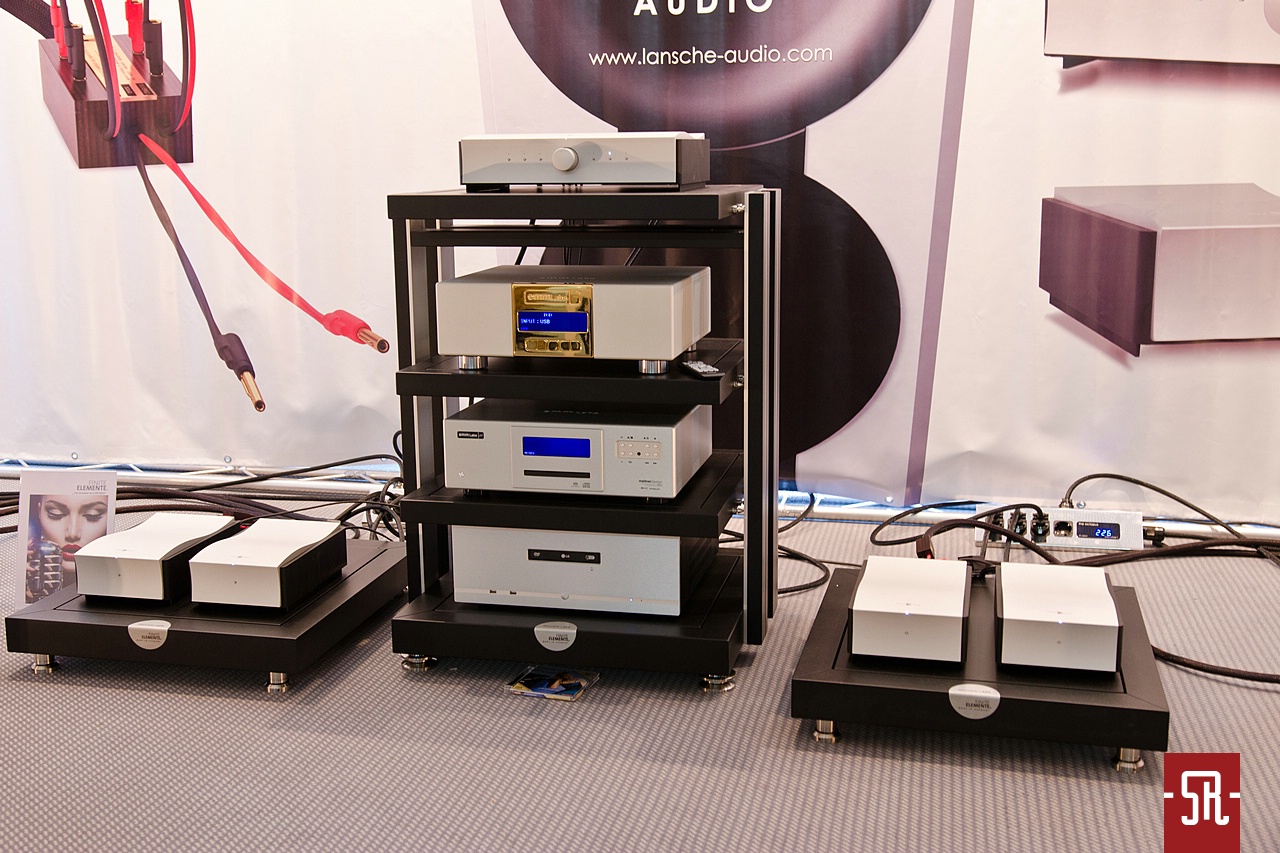


37. Zensati, CH Precision. Wielkie kolumny w dość ciasnym dla nich pomieszczeniu nareszcie pokazały porządną głębię dalszych planów, co bardzo rzadko udawało się zdecydowanie mniejszym konstrukcjom. Bardzo otwarte z dużą swobodą bez konsekwencji nawet przy dużym wolumenie granie. Co ważne, bez pierwiastka natarczywości. I to kłębowisko kabli. Nirwana rasowego audiofila.


38. Ostatnim tematem, a raczej ciekawostką, będzie krótka foto-relacja, która uzmysłowiła mi, jak wygląda prawdziwy świat produkcji wkładek gramofonowych. Sądzę, że znakomita większość z nas nie zdaje sobie sprawy ze skali w jakiej odbywa się ten proces. Gdy na ekranie monitora zauważyłem przygotowaną do nawinięcia kilkadziesiąt razy powiększoną igłę wkładki gramofonowej, jeszcze nie sądziłem, że aby zlokalizować ją na tym prowizorycznie zaadaptowanym warsztacie, będę musiał prześledzić całą drogę cieńszego od włosa ludzkiego miedzianego drutu. Co ja mówię. Widziałem tylko duży złoty wałek, potem kilka pustych pośrednich rolek prowadzących i dłonie laboranta. Aby wyłapać okiem ten rozciągnięty w eterze drucik, musiałem patrzeć pod światło, by błysnęła mi złota poświata. Dopiero wtedy mogłem ustalić kolejność podawania na konkretna rolkę. Jednak żeby wyłapać sam proces układania go jako cewki, musiałem wykorzystać do tego aparat w pełnym zbliżeniu. Dlatego teraz korzystając ze zrobionych fotek, mogę co prawda bardzo zdawkowo, ale lepiej tak niż wcale pokazać Wam ten żmudny proces. Tak więc szanujmy nasze drogocenne wkładki, gdyż to jest naprawdę ciężka praca.


Tak w telegraficznym skrócie (prawie 4400 słów) wygląda mój punkt widzenia na tę wystawę. Czy była bardziej owocna w pozytywne zaskoczenia od poprzedniej? Chyba nie. Być może miałem zbyt wygórowane oczekiwania. Jednak bez względu na fakt bycia lepszą lub gorszą, nie żałuję poświęconego czasu, gdyż oprócz pewnego przymusu związanego z prowadzeniem z Marcinem witryny SondRebels, jest to moja odwieczna pasja. Przed wyciąganiem jakiś wiążących wniosków, jeszcze raz proszę wziąć poprawkę na kilka wspomnianych w początkowych akapitach faktów. Niestety, prasowy czwartek nie pozwala na odhaczenie wszystkich wystawców, dlatego proces odsłuchowy trwał przez cały czas pobytu, potęgując tym zacierające zmysł percepcji zmęczenie. Puentując, dziękuję za poświęcony na przestudiowanie mojego opisu czas i zapewniam, że starałem się kreślić te myśli pod wpływem chwil spędzonych w danym pokoju, notując zdawkowe spostrzeżenia, by teraz ubrać je tylko w strawny opis. Żadne upiększanie lub studzenie emocji nie miały miejsca, bo niby dlaczego. Przecież wszyscy oceniani byli mi obcy. Dziękuję również rodzimym wystawcom za miłe, pozwalające na chwilę wytchnienia rozmowy przy kawie. A jak przeczytaliście z relacji Marcina była ich spora grupa. Mam nadzieję, że ich wypad ze swoją ofertą za naszą zachodnią granicę był równie owocny, jak dla mnie. Ja już szykuję się na kolejną odsłonę Monachijskiego święta, a Wy?
Jacek Pazio

Z ogromną satysfakcją informujemy, że w dniach 29-30 maja, będzie gościł w salonie Premium Sound, Roberto Barletta. Podczas wizyty, Roberto zaprezentuje dwa, najnowsze modele kolumn podstawkowych Perla i Orfeo. Oba wykonane z pełnego drewna, orzecha włoskiego.
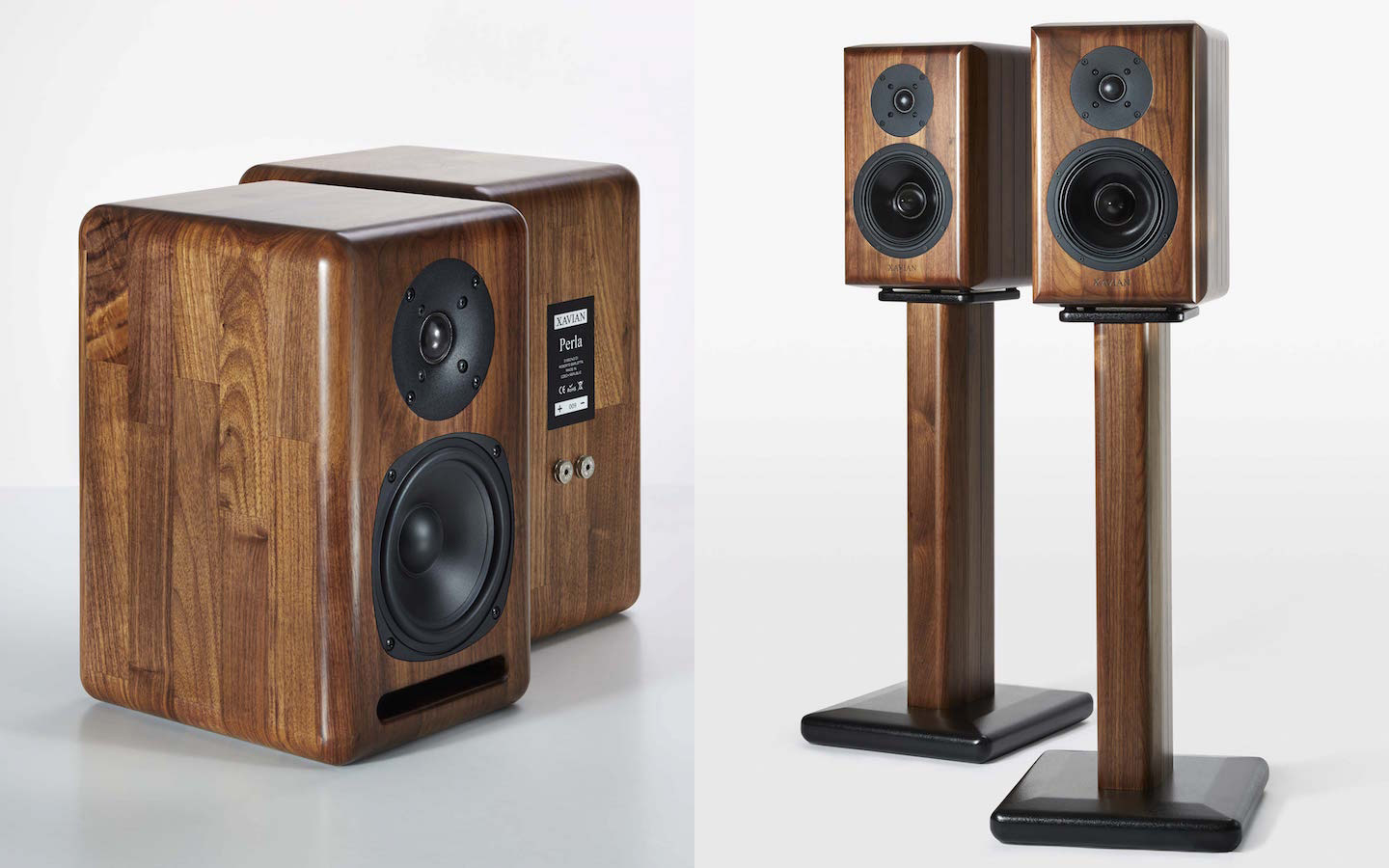


Roberto jest założycielem i głównym konstruktorem marki Xavian. Wszystkie produkty Xavian wykonywane są ręcznie i z naturalnych fornirów oraz od niedawna niektóre modele z pełnego drewna orzecha włoskiego. Fabryka mieści się w Kladnie, niedaleko czeskiej Pragi. Przetworniki używane przez Xavian to głównie Scan Speak, wykonywane zgodnie ze specyfikacją Xavian. W modelach Perla i Orfeo będziemy mogli poznać też zupełnie nowe przetworniki Xaviana.
W trakcie dwóch dni prezentacji będzie możliwość posłuchania obu modeli, oraz porozmawiania z ich konstruktorem. Serdecznie zapraszamy do Premium Sound.
Piątek 29 maja w godzinach 11.00 – 19.00
Sobota 30 maja w godzinach 10.00 – 16.00
PREMIUM SOUND – Salon HiFi
Gdańsk, ul. Rakoczego 31
(Gdańsk Morena, obok galerii Morena /Carrefour – budynek PRETOR)
Tel: 537 07 07 30, 513 07 07 30
www.premiumsound.pl

Opinia 1
Ponieważ od dłuższego czasu nabywcy wytwornych rezydencji i apartamentów, oraz najwyższej klasy, legendarnych super aut coraz odważniej zerkają w stronę adekwatnego do ich potrzeb High – Endu nadszedł taki moment i wreszcie nadarzyła się ku temu sposobność, by w jednym miejscu udało się spiąć te trzy obszary w jedną, spójną całość. W ostatni czwartkowy wieczór w warszawskiej siedzibie Poland Sotheby’s International Realty odbyło się spotkanie, podczas którego można było nie tylko „przymierzyć” się do oszałamiającego Ferrari, ale również na własne uszy przekonać się co potrafi równie intrygująca elektronika McIntosh Audio.


Oczywiście już na wstępie chciałbym zaznaczyć, ze nie był to typowo audiofilski – purystyczny event poświęcony skupieniu na reprodukowanym materiale i dywagacjom o holograficznej wręcz wierności wybrzmień mikrodetali rozświetlających dalsze rzędy orkiestry symfonicznej. Nic z tych rzeczy. Nacisk został położony przede wszystkim na walory estetyczne, a to sami Państwo przyznacie McIntosh ma opanowane wręcz do perfekcji a dopiero w momencie skupienia choćby na chwilę uwagi potencjalnego nabywcy podjęcie próby zaciekawienia go jakością generowanego dźwięku. Dletego też zamiast ustawić system gdzieś w całkowicie nieodpowiednim miejscu, w stylu przypadkowej wnęki, bądź innej równie absurdalnej lokalizacji zdecydowano się na dedykowane doznaniom nausznym pomieszczenie, w którym swe wdzięki w charakterystycznej poświacie prezentował przygotowany przez warszawski Hi-Fi Club system złożony z:
– gramofonu McIntosh MT10 uzbrojonego we wkładkę Lyra Kleos
– przedwzmacniacza McIntosh C48
– wzmacniacza mocy McIntosh MC452
– kolumn Wilson Benesch Square Five
– okablowania Transparent


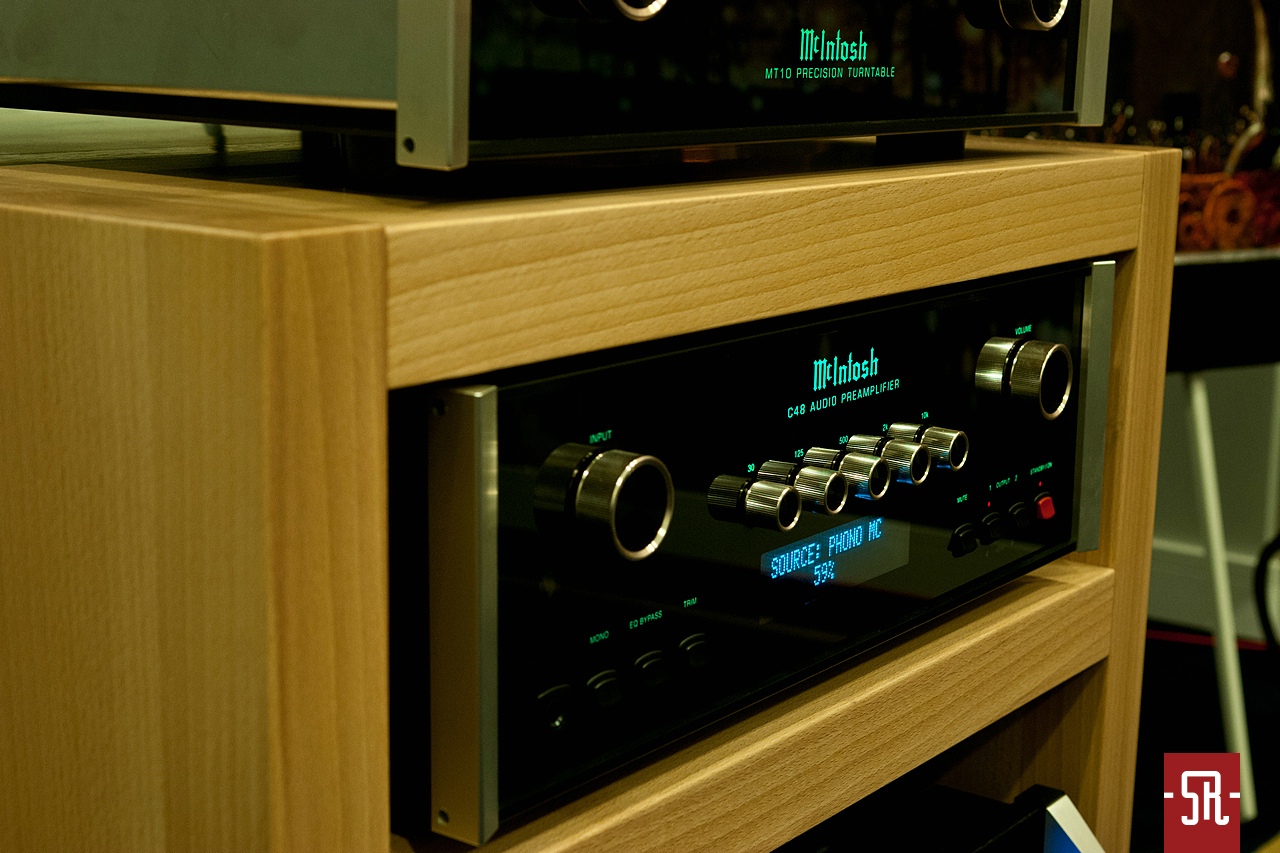


Jak sami Państwo widzą postawiono na przeżywający nieustający renesans winyl, co uczciwie trzeba przyznać wzbudzało zachwyt płci pięknej i zdecydowanie bardziej techniczne zainteresowanie licznie przybyłych na spotkanie „samców”. W końcu czegóż więcej potrzeba do szczęścia aniżeli pięknych kobiet, szybkich samochodów (w tym wypadku akurat zamiast na ilość postawiono na jakość i w zupełności wystarczył jeden egzemplarz) i odrobiny magii. Tak, tak magii. O ile dla nas – parających się od …, mniejsza z tym od kiedy, audiofilią tego typu systemy są chlebem powszednim, o tyle nawet dla osób opływających w dobra wszelakie to wywołująca na twarzy wypieki egzotyka, lecz egzotyka coraz bardziej pożądana. Dla tego też co i rusz na talerzu MT10 lądowały pozycje mogące wywoływaćwyłącznie miłe wspomnienia i to u najprzeróżniejszych grup wiekowych. Sprawnie prowadzona przez ekipę Hi-Fi Clubu prezentacja sprawiła, że nawet najwięksi sceptycy dochodzili do wniosku, że nie taki diabeł straszny, jak go malują i że co najważniejsze – po prostu słyszą różnicę w jakości dźwięku oferowanego przez McIntosha a tym, z czym do tej pory mieli do czynienia. Tym oto sposobem udało się niejako przy okazji wdrożyć w życie zasadę „usłyszeć, znaczy uwierzyć”.


Tuż przed wejściem do salonu Poland Sotheby’s International Realty można było podziwiać zarówno z zewnątrz, jak i z fotela kierowcy perfekcję wykonania 12 cylindrowego, 740 konnego Ferrari F12berlinetta. Ten mroczny obiekt pożądania każdego kierowcy pysznił się w promieniach zachodzącego słońca kusząc przybyłych do choćby jednego, czasem „pstrykniętego” ukradkiem zdjęcia. Nie ma co się oszukiwać i uczciwie trzeba przyznać, że chęć posiadania takiego cacka w garażu, o możliwości przejażdżki o dowolnej porze dnia i nocy nawet nie wspominając, wyrazi 9 na 10 przedstawicieli płci obojga homo sapiens. I wcale nie chodzi tu o iście oszałamiające osiągi, czy spodziewany na tych pułapach cenowych komfort, choć na polskich drogach byłbym akurat w tym punkcie nad wyraz ostrożny, lecz o zwykły fakt posiadania czegoś niespotykanie pięknego, wyjątkowego i będącego bezdyskusyjnym potwierdzeniem osiągniętego przez nas sukcesu.


Przybyli goście mogli również wziąć udział w losowaniu nad wyraz atrakcyjnych „upominków”, wśród których znalazł się również utrzymany w firmowej stylistyce zegar McIntosha.
Marcin Olszewski
Opinia 2
Cóż bardziej fantastycznego, może spotkać rasowego „macho” niż obcowanie z ulubionymi gadżetami? Tak tak, tylko główna wygrana w Lotka jest w stanie konkurować z takim stanem emocjonalnym. A jakiż to może być stan? Zbieranie znaczków pocztowych? Nielimitowana degustacja alkoholi? Wypad z kolegami do nocnego klubu? O nie, nie tym razem. Tak się złożyło, że w ostatni czwartek tj. 21.04.2015r. razem z Marcinem otrzymaliśmy zaproszenie na tzw. „event” przy muzyce wydobywającej się z wyrafinowanego zestawu audio, okraszony możliwością organoleptycznego zapoznania się z najmocniejszą wersją cywilnego „bolidu” ze stajni Ferrari. Gospodarzem imprezy była mająca swą siedzibę nieopodal wspomnianego teamu motoryzacyjnego firma Poland Sotheby’s International Realty, a o nasze dobre samopoczucie zadbał wykwintny catering, znacznie podnosząc jakość doznań tak duchowych, jak i cielesnych.


Zamieszczona powyżej krótka sesja zdjęciowa wspomnianego „marzenia każdego kierowcy” jest w stanie tylko symbolicznie ukazać drzemiący weń potencjał do łechtania „ego” męskiej części tego świata. Oczywiście zeprezentowany pojazd mocno nakręcał również licznie przybyłą tego wieczora płeć piękną, ale suma summarum, to panowie okupowali jego wnętrze przez większość czasu. Jednak aby ostudzić zapędy wiecznych marzycieli, tak na szybko rzucę kilka drobnych związanych z posiadaniem tego auta niuansów. Z uwagi na fakt najbezpieczniejszej jazdy tylko do przodu – w innych kierunkach widoczność jest mocno ograniczona i bardzo niskiego zawieszenia pomagających w trakcji spojlerów, nasz Ferrari powinien być co najmniej trzecim po limuzynie i terenówce samochodem. Idąc dalej tropem tych wydawałoby się sztucznie wyszukiwanych niedogodności, z rozmów kuluarowych wiem, że tylko szczęśliwcy dojeżdżają 40 tys. kilometrów na jednym komplecie sprzęgła – standard to 20-30 tys. (konsekwencja monstrualnej mocy silnika). Ale proszę się nie zrażać, gdyż za drobne ca. 10 k€ zamykamy sprawę jego naprawy i z uśmiechem na twarzy ponownie ruszamy w miasto. Tylko z szacunku dla czytelników nie wspominam o tak przyziemnej sprawie, jak zużycie paliwa, gdyż ten aspekt wydaje się wręcz marginalny. Reasumując, jeśli takie kryteria Was nie zniechęcają, to do wyliczenia pozostały mi tylko same przyjemności, pozwalające zatracić się w procesie użytkowania fantastycznie reprezentującego się ulicznego pocisku. Tutaj mimo wszystko chciałbym zapalić lampkę sygnalizacyjną. Gdyby w przypływie nieznanych wcześniej sił witalnych przytrafił się Wam piękny sen w roli beneficjenta jednego z modeli tej znamienitej włoskiej marki, a w realu ledwo łatacie koniec z końcem, przed obudzeniem radzę zastanowić się, czy aby na pewno chcecie ukarać się podobnym dobrem luksusowym. Chyba wszyscy wiemy, a przynajmniej tak nas zawsze utwierdzają, że marzenia się spełniają, dlatego lojalnie radzę uważać. A tak na poważnie, to naprawdę fantastyczna maszyna i tylko brak promyka nadziei na jej posiadanie wywołała ów skreślony przed momentem dość krytyczny monolog sfrustrowanego mistrza kierownicy, bo przecież w znakomitej większości wszyscy nimi jesteśmy, nieprawdaż?
Drugim ważnym dla dorosłych chłopców punktem tego wieczoru był ustawiony w niedużej sali system amerykańskiego McIntosha, wspomagany kolumnami Wilson Benesch. Na marginesie dodam, że brylując po portfolio tych manufaktur, bez specjalnego wysiłku przeskoczylibyśmy kwotę żądaną za przywołane wcześniej auto. Ale zostawmy przyziemne sprawy finansowe i wróćmy na prezentację. Panowie z warszawskiego salonu ”HiFi Club” zdając sobie sprawę z renesansu płyty winylowej, nie omieszkali skompletować set oparty o gramofon. Czarna płyta i wyglądający jak milion dolarów, sygnowany wizerunkiem wierzgającego ogiera pojazd, według mnie osiągnęły pełną wzorniczą synergię. Co ciekawe, w udostępnionym dość ciasnym jak na moje standardy testowe pomieszczeniu, bardzo minimalistyczny komplet Maca (gramofon, przedwzmacniacz i kocówka mocy) stworzył niezły spektakl dźwiękowy, ze stosunkowo głęboką – jak na tak ciężkie warunki – wirtualną sceną muzyczną. Gdy zajrzałem tam pierwszy raz, nie dowierzałem, że udało się sprostać takiemu karkołomnemu zadaniu, za co według mnie należą się zasłużone brawa. Ale to nie koniec chytrego planu zatytułowanego „Prezentacja amerykańskiego giganta sprzętu audio”, gdyż umiejętnie dobrany repertuar pozwolił gościom przypomnieć sobie dobrze znane utwory w różnych niespotykanych szerzej aranżacjach. Może nie był to typowo audiofilski odsłuch, ale takim doborem muzyki wszyscy byli bardzo ukontentowani.
Tuż przed zakończeniem spotkania trzech wylosowanych szczęśliwców zabrało do domu przygotowane na loterię upominki. Ja z racji tego, że podobny los omija mnie szerokim łukiem, potwierdzając zebrane przez lata doświadczenia, pokornie odprowadzałem wzrokiem każdą z nagród zmierzającą do nowego właściciela. Nie czyniąc jednak nikomu wyrzutów za brak szczęścia w losowaniu stwierdzam, że czwartkowy wieczór był na tyle owocny w doznania, by puścić to w niepamięć. Na koniec chciałbym podziękować organizatorom i partnerom relacjonowanej imprezy za zaproszenie i prosić o spojrzenie na te kilka skreślonych przeze mnie akapitów z lekkim przymrużeniem oka.
Jacek Pazio

Nawet w najśmielszych planach nie przypuszczaliśmy, że kiedykolwiek w dziale lifestyle pojawi się u nas relacja ze … stypy. Jednak czemuż mielibyśmy się dziwić, skoro w obecnych czasach towarem jest absolutnie wszystko począwszy od narodzin a na śmierci skończywszy. Powyższa reguła pasuje zatem jak ulał do świata rock’n’rolla, gdzie bądźmy szczerzy – rocznice narodzin największych gwiazd tzw. muzyki rozrywkowej przechodzą z reguły niepostrzeżenie, za to śmierci … to już zupełnie inna bajka. Tym bardziej, że „Ponury Żniwiarz” miał, ma i pewnie jeszcze długo mieć będzie co robić wśród wszystkich tych, którzy mniej, bądź bardziej świadomie wybrali taki a nie inny styl życia. Coraz częściej zatem łapiemy się na dość przerażającym pytaniu nawet nie czy, lecz kiedy piękne, młode i bogate bożyszcze tłumów odejdzie z tego ziemskiego łez padołu, oraz które z nich uczyni to szybciej i w bardziej tragicznych okolicznościach. Niejako pokłosiem tychże tragicznych decyzji o zakończeniu własnej egzystencji stają doroczne „imprezy” upamiętniające dorobek konkretnego bohatera.


Podobnie ma się sytuacja z założoną w 1976 r. brytyjską formacją Joy Division, której leader Ian Curtis przeniósł się na łono Abrahama 18 maja 1980r. I z tej właśnie okazji w ostatni czwartek w warszawskim Studiu U22 mogliśmy spotkać się zarówno przy oryginalnej muzyce Joy Division, jak i przy realizacjach współczesnych dorobkiem angielskiego bandu inspirowanych. Do tego nurtu z pewnością można zaliczyć projekt „Heart & Soul” grupy osób związanych z polskim rockiem alternatywnym i zimną falą, czyli m.in Bogusława „Bodka” Pezdę (ex. Agressiva 69), Kubę Wandachowicza i Marcina „Cinassa” Kowalskiego z CKOD, Roberta Tutę (Agressiva 69, NOT), Sławomira Leniarta (Agressiva 69, Made In Poland), Piotra Pawłowskiego (Made In Poland) i Krzysztofa Żurada ( ex. m.in. z Jesus Chrysler Suicide). Dodając do tego kooperację z Rykardą Parasol, Belą Komoszyńską i Hanią Malarowską trudno było koło tego wydawnictwa przejść obojętnie, więc organizator i gospodarz całego cyklu spotkań z muzyką w Studio U22 – Piotr Welc postanowił połączyć nagrania „z epoki” z ich polskimi interpretacjami. Niewątpliwą atrakcją czwartkowego odsłuchy była również obecność muzyków odpowiedzialnych za ww. album i oprócz Piotra kilka słów do zgromadzonej publiczności wygłosił również Bogusław Pezda.


O odpowiednie zaplecze sprzętowe zadbało Ardento (elektronika, okablowanie, kolumny) i Eter Audio (gramofon Transrotor Fat Bob + phonostage Phasemation).


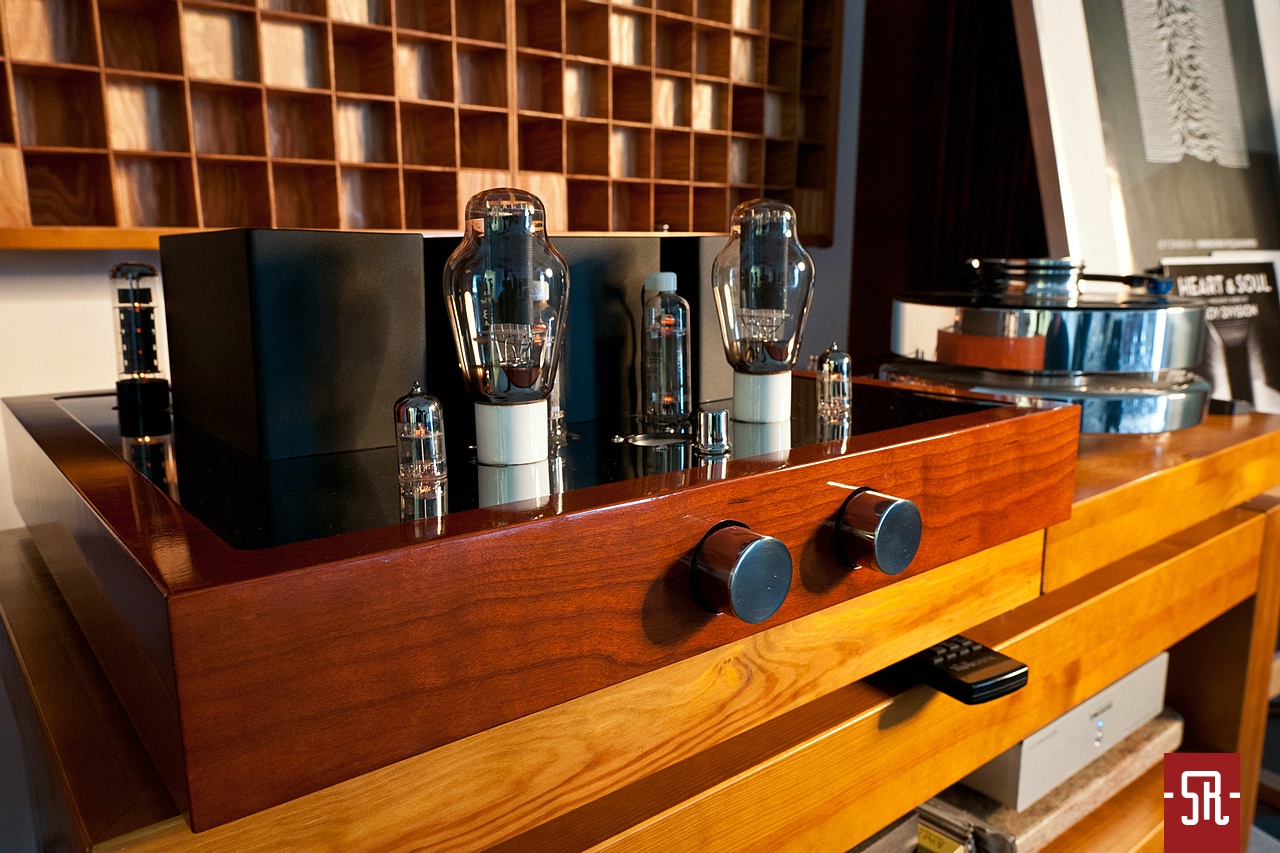


A o iście niebiańskie rozkosze podniebienia Restauracja Grand Kredens. Jak sam Piotr mówił, w końcu to stypa, więc czego jak czego, ale zimnej wódki i śledzi zabraknąć nie mogło.


Marcin Olszewski

Kilka dni po oficjalnej premierze na Targach High-End Show w Monachium, najtańszy odtwarzacz audiofilski marki Astell&Kern trafia właśnie do sprzedaży w Polsce.
Astell&Kern AK Junior, bo o nim właśnie mowa, to bezkompromisowa jakość dźwięku w bardziej przystępnej cenie niż dotychczas. Z założenia kierowany jest do klientów, którzy nie dysponują dużym budżetem i zbędne są im niektóre funkcjonalności. Mimo tego pragną mieć przede wszystkim znakomite źródło dźwięku, które zapewni bezproblemowe odtwarzanie plików wysokiej rozdzielczości z najwyższą wiernością i naturalnością, i to nie tylko w podróży, ale również w domu jako źródło dźwięku do sprzętu HiFi czy też przetwornik cyfrowy do komputera.


AK Junior jest zgrabny i lekki (6,9mm grubości), a ergonomiczny kształt pozwala na płynne użytkowanie urządzenia jedną dłonią. Kompaktowa konstrukcja AK Junior daje swobodę noszenia urządzenia nawet w kieszeni koszuli, spodni czy marynarki. Wykonana w 100% z aluminium obudowa, zapewnia trwałość, a przy tym elegancki i profesjonalny wygląd.
Zastosowany ekran dotykowy o przekątnej 3,1 cala oraz niebywale intuicyjny i funkcjonalny interfejs oferuje interakcję na takim samym poziomie, z jakim mamy do czynienia w typowym smartfonie.
Urządzenie oferuje napięcie na wyjściu na poziomie 1,95 Vrms oraz impedancję 2 Ohm, dzięki czemu współpracuje bez problemu z każdą, nawet najbardziej wymagającą słuchawką, jednocześnie zapewniając większą wierność odtwarzanego materiału. Co ważne, AK Junior jest w stanie odtwarzać także pliki w formacie DSD, które obecnie uważane są za najlepszy jakościowo format audio.
AK Junior z powodzeniem możemy wykorzystać jako zewnętrzny interfejs audio (USB DAC) do naszego komputera czy laptopa. Dzięki temu przejmie on rolę naszej karty dźwiękowej, a co za tym idzie odtworzy w domenie cyfrowej, pliki znajdujące się na dysku twardym, z dużo lepszą jakością pozbawioną jakichkolwiek zakłóceń, pochodzących z komponentów komputera.
AK Junior na posiada wbudowane 64GB pamięci wewnętrznej na muzykę. Dodatkowy slot kart pozwala wykorzystać karty 64-128GB, dzięki czemu możemy mieć aż 192GB pamięci.
AK Junior jest już dostępny w sprzedaży, cenę ustalono na poziomie 2299 PLN brutto.
Specyfikacja techniczna
Wyświetlacz: Dotykowy 3.1”(78.74mm) WQVGA (240 x 400)
Wspierane formaty audio:WAV, FLAC, WMA, MP3, OGG, APE(Normal, High, Fast), ACC, ALAC, AIFF, DFF, DSF
Częstotliwość próbkowania: FLAC, WAV, ALAC, AIFF: 8kHz ~ 192kHz (8/16/24bit)
DSD: DSD64 (1bit 2.8MHz), Stereo (DSD to PCM)
Poziom wyjściowy: 1.95Vrms
DAC: Wolfson WM8740 x1
Dekodowanie: Wsparcie do 24bit/192kHz
Pasmo przenoszenia:±0.04dB 20Hz~20kHz; ±0.3dB 20Hz~70kHz
SNR: 112dB @ 1kHz
Przesłuch: 120dB @ 1kHz
THD+N: 0.005% @ 1kHz
IMD SMPTE: 0.0006% 800Hz 10kHz (4:1)0
Impedancja wyjściowa: 2Ω
Jitter: 50ps
Pamięć: Wewnętrzna 64GB (NAND); Zewnętrzna – Port microSD (max. 64GB)
Bateria: 1450mAh 3.7V Li-Po
Wejścia: USB Micro-B (ładowanie oraz przesył danych), Tryb UMS (USB Mass Storage)
Wyjścia: Słuchawkowe 3.5mm
Bluetooth: V4.0
Wymiary: 52.9x117x8.9[mm] / dł. x wys. x szer.
Waga: 93g
Obudowa: W pełni aluminiowa w srebrnym kolorze
Zestaw zawiera: Odtwarzacz AK Jr, przewód Micro USB, karta gwarancyjna, instrukcję obsługi, 2 sztuki osłonki na karty micro SD
Dystrybucja: MiP


Najnowsze komentarze